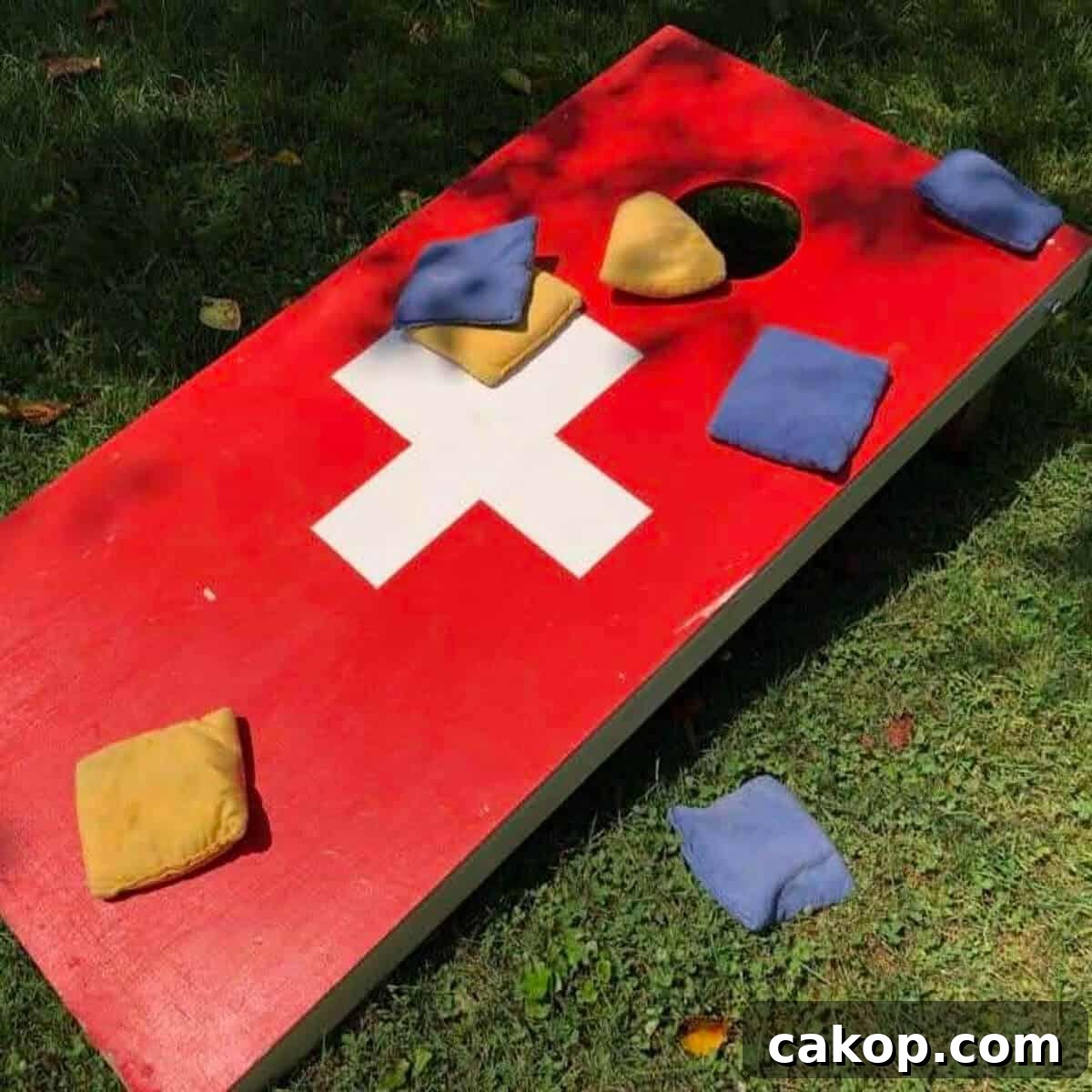
We love having family and friends over: cooking, sharing drinks, and chatting about everything and nothing. Laughter and easy conversation are the backbone of any good gathering, but one activity can quickly shift the mood from casual to competitive: Cornhole. What begins as a friendly pastime can turn delightfully fierce, so be prepared.
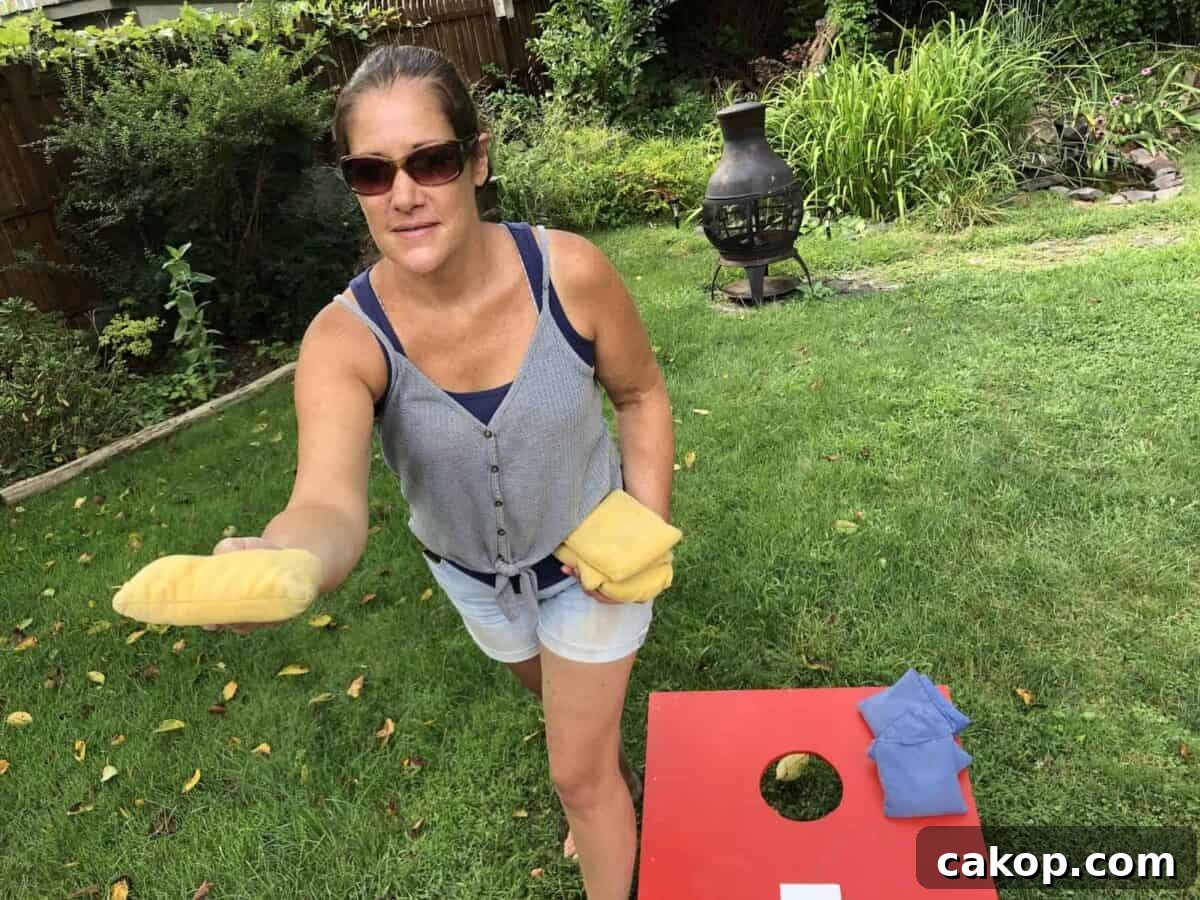
Setting a couple of cornhole boards out near the outdoor dinner table is a perfect icebreaker when guests don’t know one another well. The game gets people moving, laughing, and connecting—fast.
Join 500+ cozy folks for weekly recipes, crafts & good vibes – from my home to yours.
Sign up and receive the Cozy Weekend Starter Pack: a free PDF with three recipes, three crafts, and ideas for a relaxed weekend.
Equipment
Before you play, you need boards and bags. Buying a regulation set can cost $120 or more, but building your own is straightforward and often cheaper if you have scrap wood on hand. A homemade set also gives you the freedom to design and paint the boards however you like. Use a semi-gloss exterior latex paint for the board surface—that lets the bags slide without making them too slick.
How to build a cornhole board
There are many step-by-step guides online that explain how to build a regulation cornhole set. Follow plans that specify the correct dimensions and materials to ensure a solid, fun-playing surface.
Setup and game rules
Cornhole reminded me of curling the first time I played—there’s the same strategy of getting your piece to the center, blocking the center, or knocking an opponent’s piece out of position. After a few months of playing, I checked the official rules and found the American Cornhole Association provides detailed guidelines for competitive play.
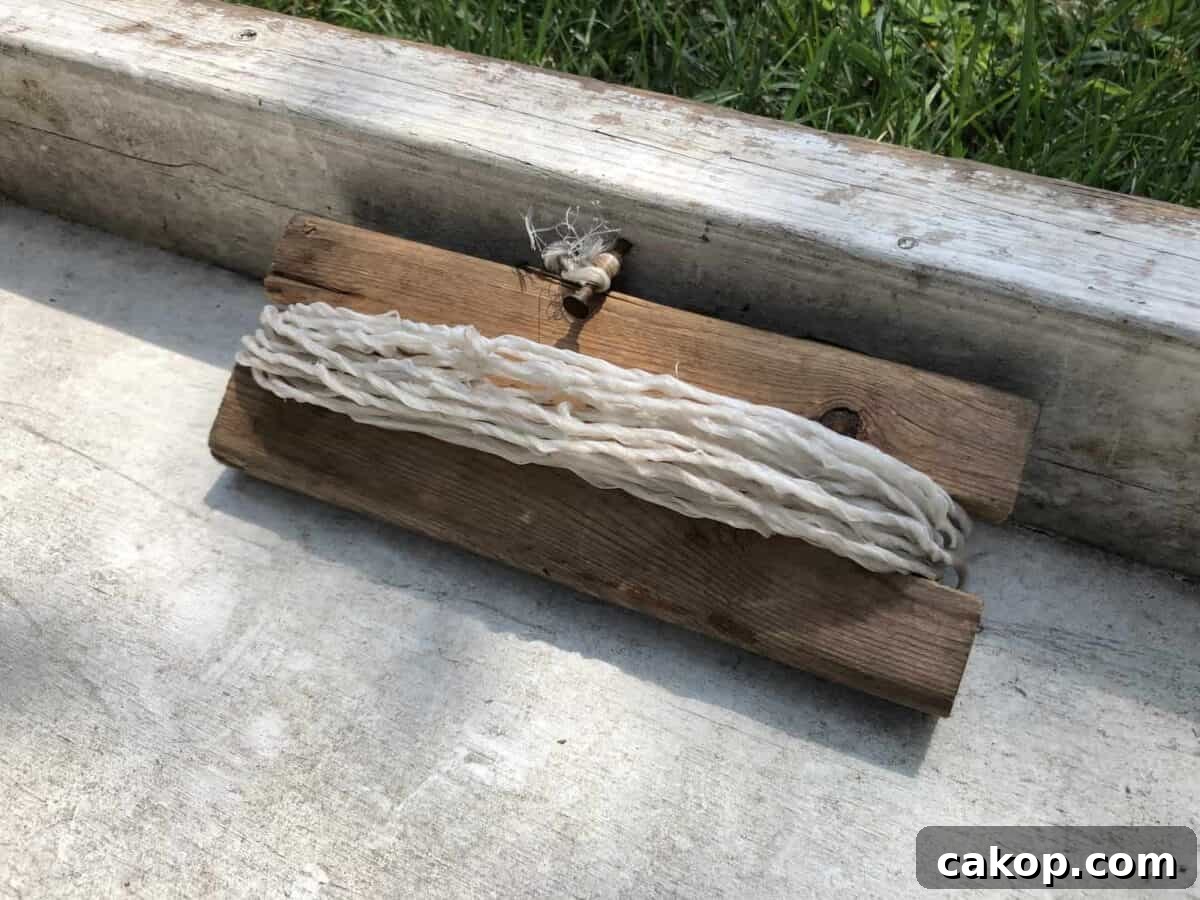
One rule we follow consistently is to keep the front edges of the boards 27 feet apart. Measuring every time can be a hassle, so I made a simple built-in measuring aid: a short piece of wood with notches that holds a 27-foot rope. Unroll the rope, place the front of the second board where the rope ends, and you’re ready.
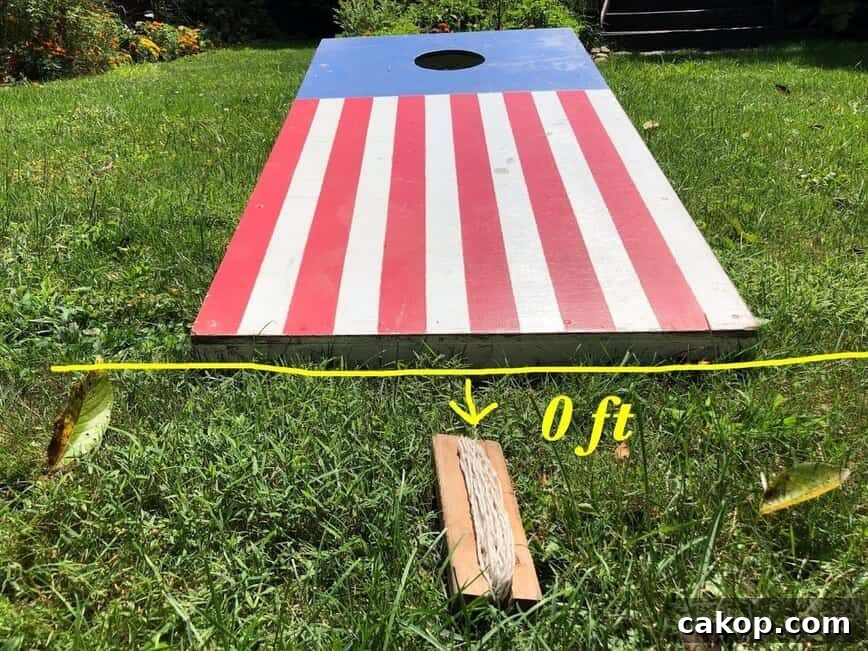
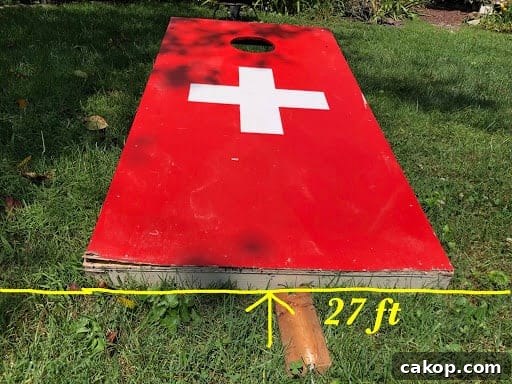
Traditionally, games are played to 21 points, but that can stretch a casual gathering into a long event. If you want quicker rounds—especially when many guests want to play—try playing to 11 points instead. And yes, celebrate when you win, but maybe keep the victory dances modest to avoid penalty-worthy antics.
One fun term you might hear: a bag that hits the grass before landing on the board is called a “grasshopper.”
Cornhole glossary
There are plenty of glossaries and term lists available from cornhole organizations and media outlets that explain the common lingo and scoring terms used by players.
Accessories
Regulation bags are essential for consistent play. You can sew your own bean bags at home, but many players find that purchasing a quality set is worth the modest cost and durability. Once your boards and bags are ready, add creative extras: paint a wooden board with chalkboard paint to keep score, build a drink-holder stand, or install hole lights so you can play after dark.
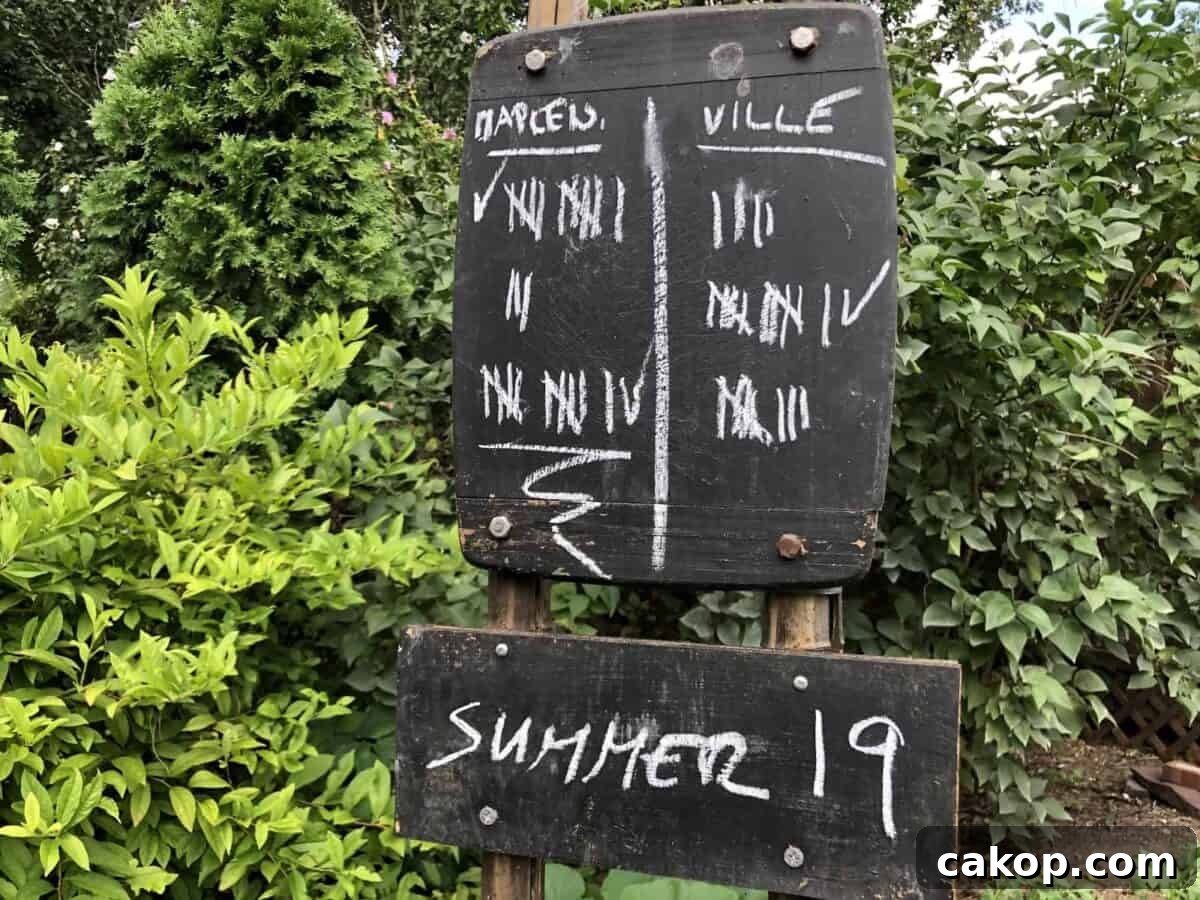
Make your cornhole setup your own with small touches that improve convenience and style. A simple score tower, cup holder, or board lights can keep the fun going and add personality to your backyard gatherings.
Have fun!
Have you played cornhole? Let us know in the comments below!