Find your ancestors in the records of the holidays they celebrated. Seasonal holidays generate many genealogy records you can use to trace your family.
The holidays are here: shopping, baking, wrapping gifts and traveling. Amid the bustle, Christmas and other seasonal celebrations offer excellent opportunities to research your family history.
It might seem surprising at first, but religious and seasonal holidays create distinctive records and traditions that can be passed down through generations. Those traditions often leave documentary traces you should not overlook.
Have you thought about what your ancestors’ holiday customs reveal and how to follow those clues? If you ignore these customs, you may miss valuable records. Holiday records are excellent “out of the box” genealogy sources that can point you to names, places and stories.
Remember: your ancestor’s holiday traditions generated records
Understanding how your ancestors observed religious or secular holidays helps you know where to look for related records. While many examples here focus on Christmas, families of other faiths created similar records tied to their own celebrations.
Genealogy tip: Learn which holidays and customs your ancestors practiced so you can target the right records.
12 Days of Christmas Genealogy Records
Here are 12 types of holiday-related records and resources to explore this season. Each can provide names, dates, relationships and context that enrich your family history.
1. Oral histories
Holiday gatherings are prime moments for collecting family stories. Listen and record—smartphones make it easy. Ask older relatives about traditions, migrations, name changes and holiday memories. Existing audio or video recordings in the family are valuable primary sources; locate and preserve them.
2. Christmas cards and letters
Cards and seasonal letters often include photos, return addresses and postmarks that place relatives in a particular time and place. Photographic cards can be unique images of ancestors. Read envelopes for postmarks and addresses; letters frequently contain personal details and family news.
3. Address books
Before digital contacts, families kept address books listing relatives, friends and neighbors. These books can reveal addresses, relationships and notes that lead to new lines of research. Examine margins for annotations or notes about holiday invitations or gift-giving.
4. Christmas ornaments
Heirloom ornaments often carry stories—who made them, where they came from, or what traditions they represent. Investigate the cultural origins of special ornaments and ask relatives for the histories attached to them; those stories can offer social and cultural context for your ancestors’ lives.

5. Special recipes
Traditional holiday dishes can point to regional origins, ethnic background or migration patterns. Document family recipes and research their cultural history to learn why certain foods were central to your family’s celebrations.

6. Church pageant programs
Many ancestors participated in church pageants or nativity plays. Programs saved by families or preserved in church archives can identify participants and associates, helping place people in a specific congregation and year.
7. Church newsletters
Newsletters contain announcements, volunteer lists, committee activities and event descriptions. Women in particular often appear in these records organizing programs or charity events. Check family collections and church archives for newsletters and bulletins.
Tip: Contact the church historian or local congregation archive—many hold long runs of newsletters and programs.
8. School programs
Schools commonly produced holiday programs and artwork. These items place children in a community and year. If you find a program in family papers, pursue additional school records such as yearbooks, attendance registers or local newspaper coverage.
9. Newspapers
Local newspapers often ran society notes during the holidays documenting visitors, travel and social events. These blurbs can include names, relationships and locations useful for placing people and tracking movements.
10. Vertical files
Local libraries and historical societies keep vertical files—collections of clippings, pamphlets, photos and family histories. They can contain church histories, holiday programs, newspaper articles and other ephemera that illuminate your ancestors’ community life.
11. Photographs
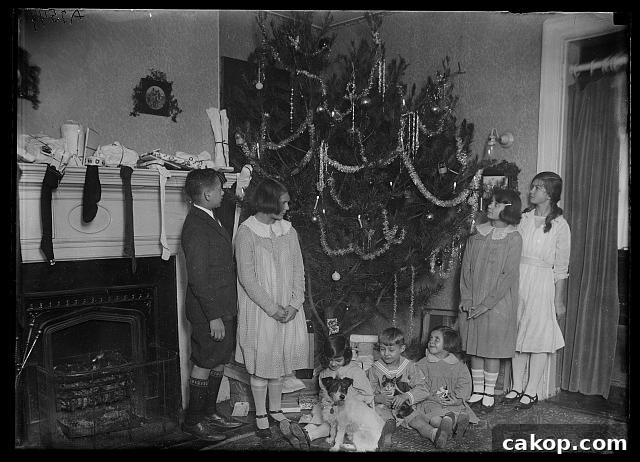
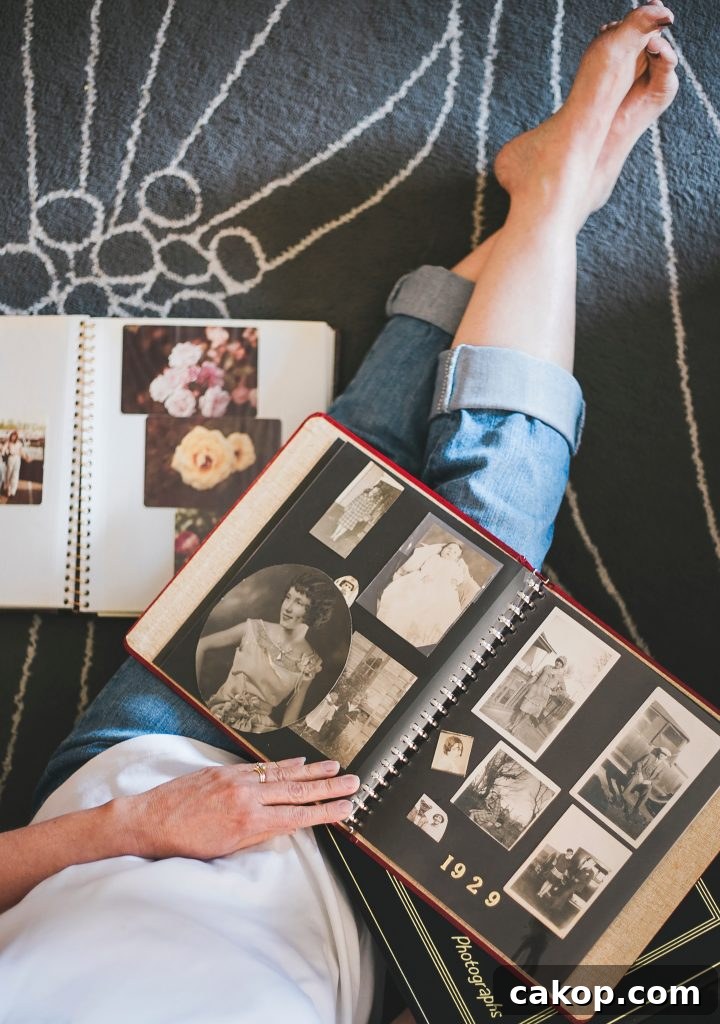
Photos taken at Christmas or other holidays often show families gathered, revealing relationships, fashions and locations. Ask relatives to bring out old albums and scan or photograph them. Even unidentified images can spark memories and conversations that yield new leads.
12. Family reunions
Reunions are ideal for sharing findings and asking questions. Conversations at family gatherings often surface details—nickname histories, name changes, migrations or little-known stories—that don’t appear in formal records.
These twelve categories offer many avenues to find and understand your ancestors. Take time this holiday season to dig through family papers, ask questions, record stories and visit local repositories where your family lived.
Enjoy exploring holiday records and reconnecting with your family history. Preserve what you find and share discoveries with relatives to keep those traditions and stories alive.