THIS POST MAY CONTAIN REFERRAL LINKS. IF YOU CLICK THROUGH AND TAKE ACTION, I MAY BE COMPENSATED, AT NO ADDITIONAL COST TO YOU.
One thing leads to another, so they say.
After we moved to Central Oregon—a beautiful region with a higher risk of wildfires—I decided it was time to take emergency preparedness more seriously. After creating a family evacuation plan and assembling kits to shelter in place for up to two weeks, my husband suggested we prepare for longer-term disruptions to food supply, such as those that might follow a significant earthquake.
That suggestion led me to develop what I now call my Prepared Pantry: a practical, economical approach to building a longer-term food supply that saves time and money and fits into everyday life.
Finding the Middle Road
When it comes to emergency preparedness, many people take one of two extremes: they either try to prepare for every unlikely scenario or they ignore the topic altogether. Neither option appealed to me. Instead, I chose a balanced approach—sensible, realistic precautions that are actually usable.
I found similar extremes while researching long-term food storage. Some people keep nearly empty cupboards and buy only what they need in the moment. Others spend a fortune and a lot of space stockpiling years of rations. I wanted something between those extremes—practical, affordable, compact, and made up of foods we enjoy.
For our family, that meant three basic criteria: food had to be economical, store compactly, be stable without refrigeration during power outages, and be something we would actually eat. That led me to combine bulk purchases, rotational storage, and some home food preservation methods.
Rotational Food Storage
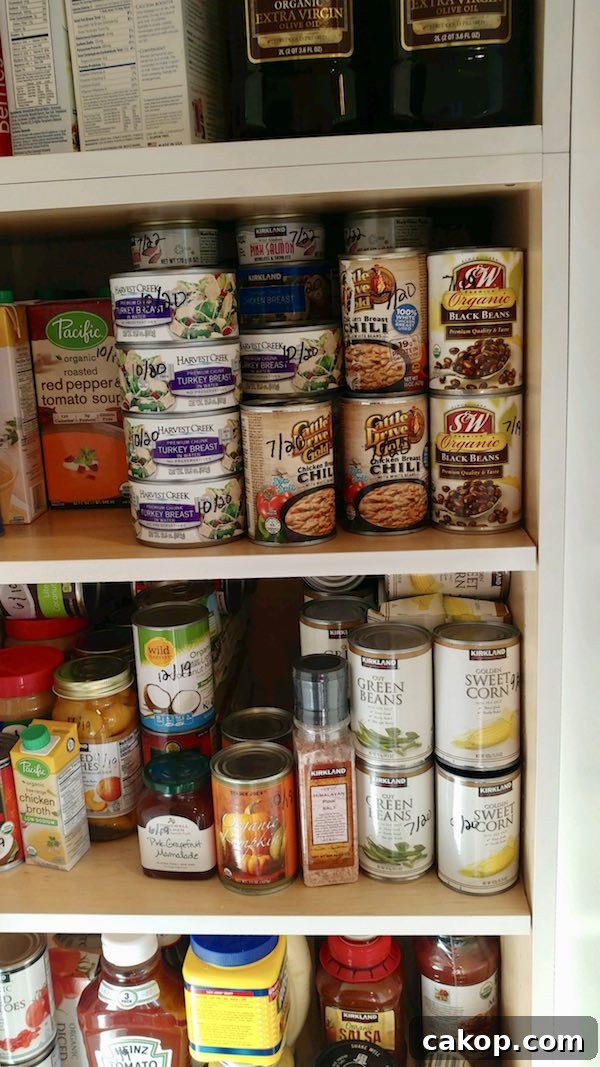
Rotational food storage is simple and effective. You buy canned, jarred, or dried goods in bulk, store them in the pantry, and use them as part of your regular cooking, replacing items as you go. This keeps food fresh, avoids waste, and ensures your pantry is always stocked with familiar items you’ll actually eat.
This approach works especially well with warehouse stores like Costco or Sam’s Club—buys in quantity lower the per-unit price and give you ready-to-use staples. That said, prices vary; sometimes individual grocery stores have better deals, so a little comparison shopping pays off.
I mark “best by” dates on all Prepared Pantry items, group like products together, and place the longest-lasting items toward the back while keeping soon-to-expire goods at the front. This rotation system reduces waste and keeps the pantry organized.
Adopting rotational storage also meant adapting a few recipes. I experimented with canned fish and poultry and discovered tasty new meals—turkey enchiladas and salmon cakes became household favorites. But canned vegetables alone only take you so far; variety is important.
What Your Grandma Knew
If you remember a time when fresh produce wasn’t available year-round, you’ll recall that preserving seasonal bounty used to be common. Canning was hard work and took space, but it produced jars of shelf-stable food that lasted through the months when fresh produce was scarce.
I grew up canning, and I still appreciate that sense of accomplishment. But modern alternatives make preserving food easier and more compact. I invested in a food dehydrator and a vacuum sealer—tools that let me preserve large amounts of produce without rows of jars taking up valuable space.
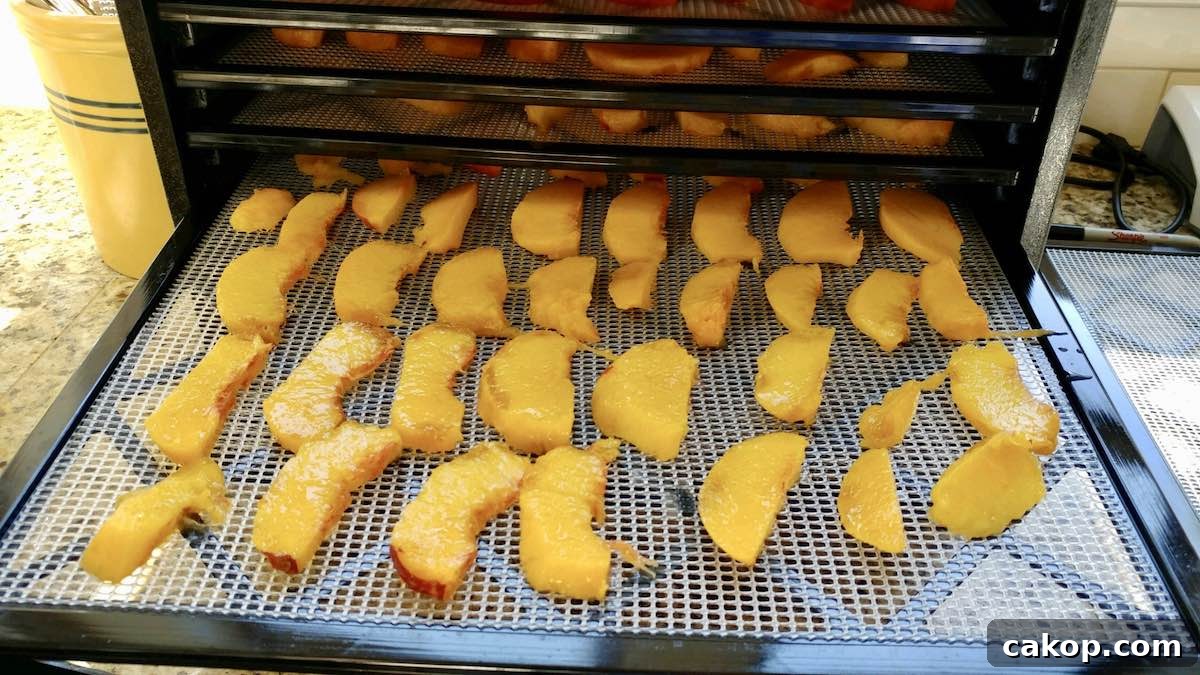
After researching dehydrators, I chose a larger model with multiple trays and an automatic shutoff so batches can dry unattended. Dehydrating reduces bulk and weight while concentrating flavor, making it perfect for fruits, vegetables, and herbs.
The Dehydrator Bible helped me learn techniques and recipes for successful dehydration. Drying peaches, apples, tomatoes, and greens has broadened our pantry variety and made seasonal produce available year-round without taking up much shelf space.
For longer shelf life, vacuum sealing dehydrated foods is very effective. Vacuum-sealed bags reduce exposure to air and humidity, extending shelf life from months to years when stored properly. I also use vacuum sealing to portion and protect bulk-purchased meats in the freezer, preventing freezer burn and saving money by buying larger cuts or family packs.
Dehydrating can also yield ready-to-use mixes for later cooking—prepped fruit fillings for turnovers, dried fruit for baking, or rehydrated vegetables for soups and stews—offering both convenience and flavor during off-season months.

Preparation That Makes Sense
Designing a longer-term food plan that fit our family’s needs took thought and some trial and error, but it was worth the effort. Building a Prepared Pantry has saved money, reduced waste, and provided peace of mind without turning our home into a bunker.
By combining rotational storage, selective bulk buying, and modern preservation methods like dehydration and vacuum sealing, I’ve created a flexible food system that supports everyday meals while also preparing us for short- or medium-term disruptions. It’s practical, economical, and—most importantly—usable.