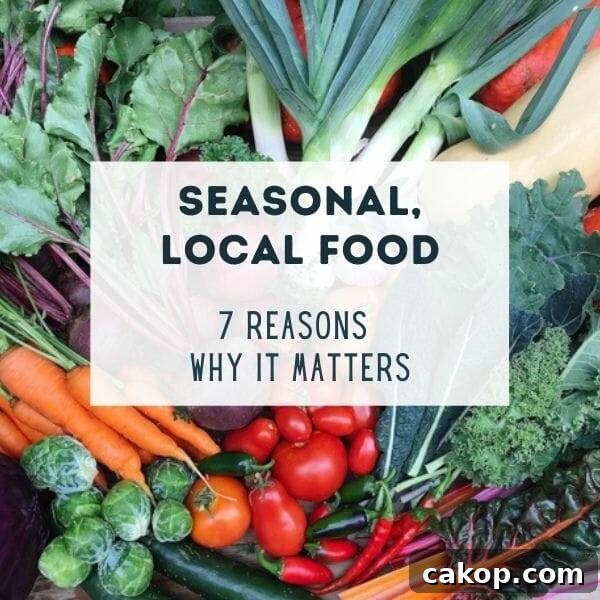
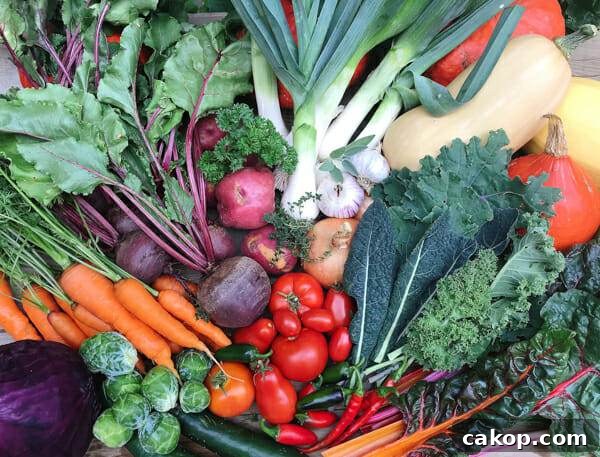
I believe choosing local, seasonal food benefits both our health and our communities. For most of my cooking I prioritize produce that’s in season and sourced as close to home as possible. That doesn’t mean I never enjoy imported berries in winter or specialty items from other regions — I do — but for everyday meals I prefer seasonal, local ingredients whenever I can.
Also Read: When Are Fruits & Veggies Ripe on the Prairies, Reducing Food Waste, Food Trends 2021, 5 More Ways to Save Money on Groceries
What Do I Mean By Local?
My definition of “local” shifts with the seasons. In summer, when local fruits and vegetables are abundant, I’m very local: my garden, nearby U-picks, farmers down the street and local markets supply most of what I cook. In winter, when snow covers the ground, I rely on frozen or canned local produce and fresh items that are in season somewhere on the continent. I appreciate modern conveniences and don’t feel the need to be extreme; instead, I choose local first and supplement with global flavours when it makes sense.
Why I Prefer Local Seasonal Food
Here are the main reasons I choose local, seasonal foods whenever possible.
1. Flavour
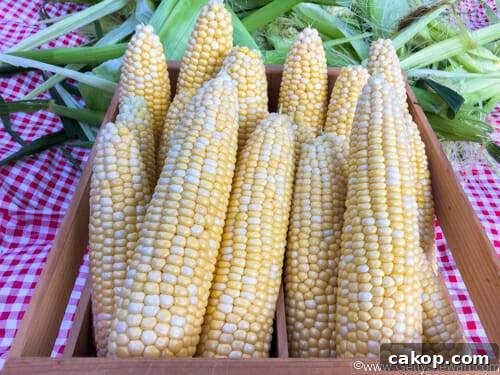
Sun-warmed strawberries, freshly shelled peas and the first homegrown tomato have a flavour that’s hard to beat. Local, seasonal produce often tastes better because it’s harvested ripe, reaches you quickly and may come from growers who select heirloom or specialty varieties. Terroir — the soil, climate and environment — also contributes to distinctive taste. All these factors together make seasonal local food taste especially good.

2. Affordability
Produce that’s in season is typically less expensive because supply meets demand. Off-season items can be costly — think of buying rhubarb in winter — so taking advantage of seasonal abundance can stretch your food budget. When you find a great deal, consider buying extra to preserve for later.
3. Easier Meal Planning
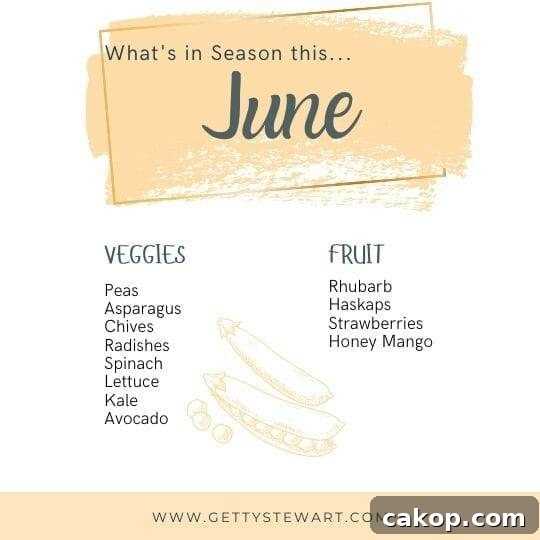
Seasonal eating helps vary your meals throughout the year. Knowing what will be available lets you plan recipes and shop more intentionally. In June, for example, farmers’ markets often offer lettuce, fresh herbs, radishes, kale, beets and early berries, so my meal plan will include several salads and related ingredients like feta, nuts and homemade dressings. A few weeks later the menu shifts again as the next crops come into season.
4. Natural Rhythm
What we crave and cook changes with the seasons. Winter often calls for warm, hearty dishes like soups and stews, while summer favors cool, refreshing salads and grilled foods. Seasonal produce aligns with those needs: spring brings nutrient-rich leafy greens, summer brings juicy fruits and cooling vegetables, fall brings root vegetables and storage crops, and winter offers citrus and preserved foods. Following seasonal patterns adds variety and balances nutrients across the year.
5. Trust in Local Producers
I tend to trust local and national producers because they operate under familiar regulations and standards. While no system is perfect, buying closer to the source reduces the distance food travels and can lower the risk of fraud or unsafe practices. When you know your growers or shop at reputable local markets, you often gain confidence in how your food was produced.
6. Support for Local Economy and Food Systems
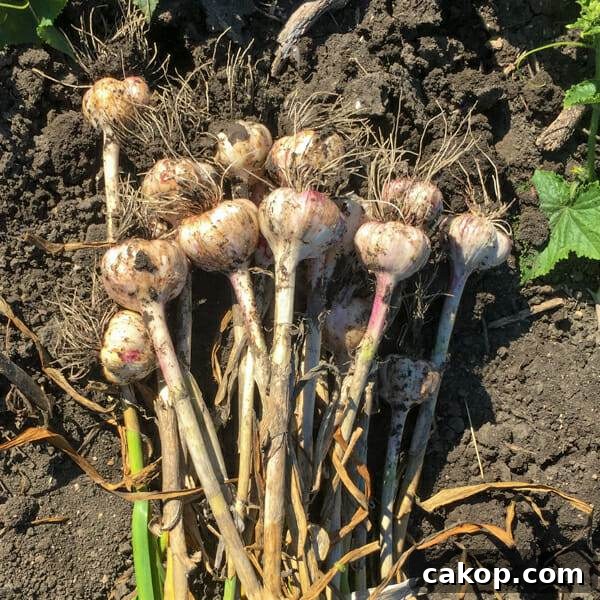
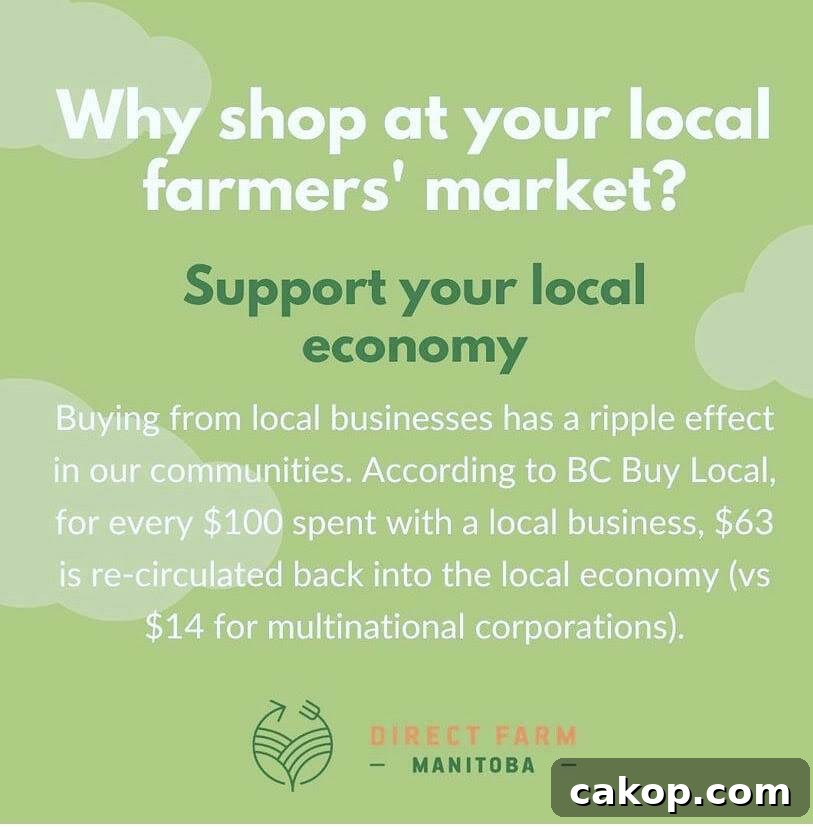
Local, national and international foods all have a place in our food system. A strong local food economy—growers, processors, retailers and the supporting businesses—makes communities more resilient and vibrant. Local growers preserve seeds, knowledge and crop diversity, which are crucial for adapting to changing conditions. Supporting these local businesses helps maintain that expertise for future generations and strengthens the broader food system.
7. The Environment
Eating local and seasonal can play a role in reducing environmental impact, but it’s not the single most important action. Environmental effects depend on production, storage and distribution practices, and sometimes larger, more efficient operations can have lower footprints per unit. More effective actions include eating less processed food, reducing packaging, minimizing food waste and cutting back on red meat.

Sourcing Local, Seasonal Food
You don’t have to grow your own to eat seasonally. Many people don’t have the time or space, and that’s fine. Look for farmers’ markets, U-pick farms, CSAs (Community Supported Agriculture), farm stands and listings of producers that sell direct. Small shops and larger grocery stores also often carry local produce.
In Manitoba, resources like the Prairie Fruit Growers’ Association and Direct Farm Manitoba help locate U-pick farms, farmers’ markets and direct sellers. Similar local organizations often exist in other regions to connect shoppers with producers.
I welcome your thoughts on eating local, seasonal foods. Leave a comment, tag me on Instagram with #getgettys or find me on Facebook at @GettyStewart.HomeEconomist.
Sign up to receive seasonal articles, recipes and practical food tips delivered to your inbox. Getty Stewart is a Professional Home Economist, speaker and writer focused on putting good food on tables and agendas. She is the author of the Prairie Fruit Cookbook, founder of Fruit Share, a mom and gardener.