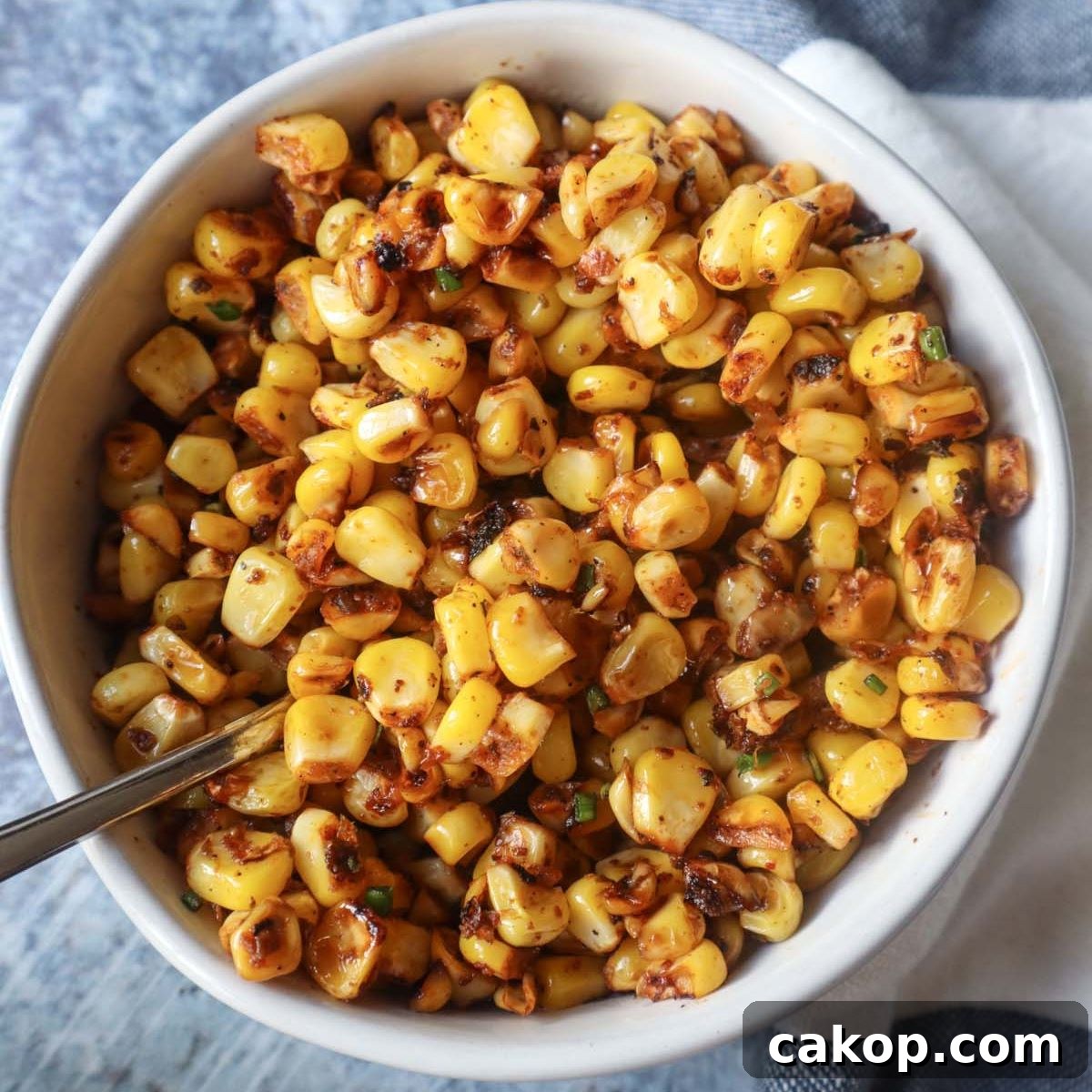
Blackened corn delivers bold, smoky flavor by charring the kernels until caramelized. The lightly blackened exterior contrasts beautifully with the corn’s natural sweetness, creating a versatile side that also shines in salads, salsas, tacos, grain bowls, and more.
Jump to Recipe
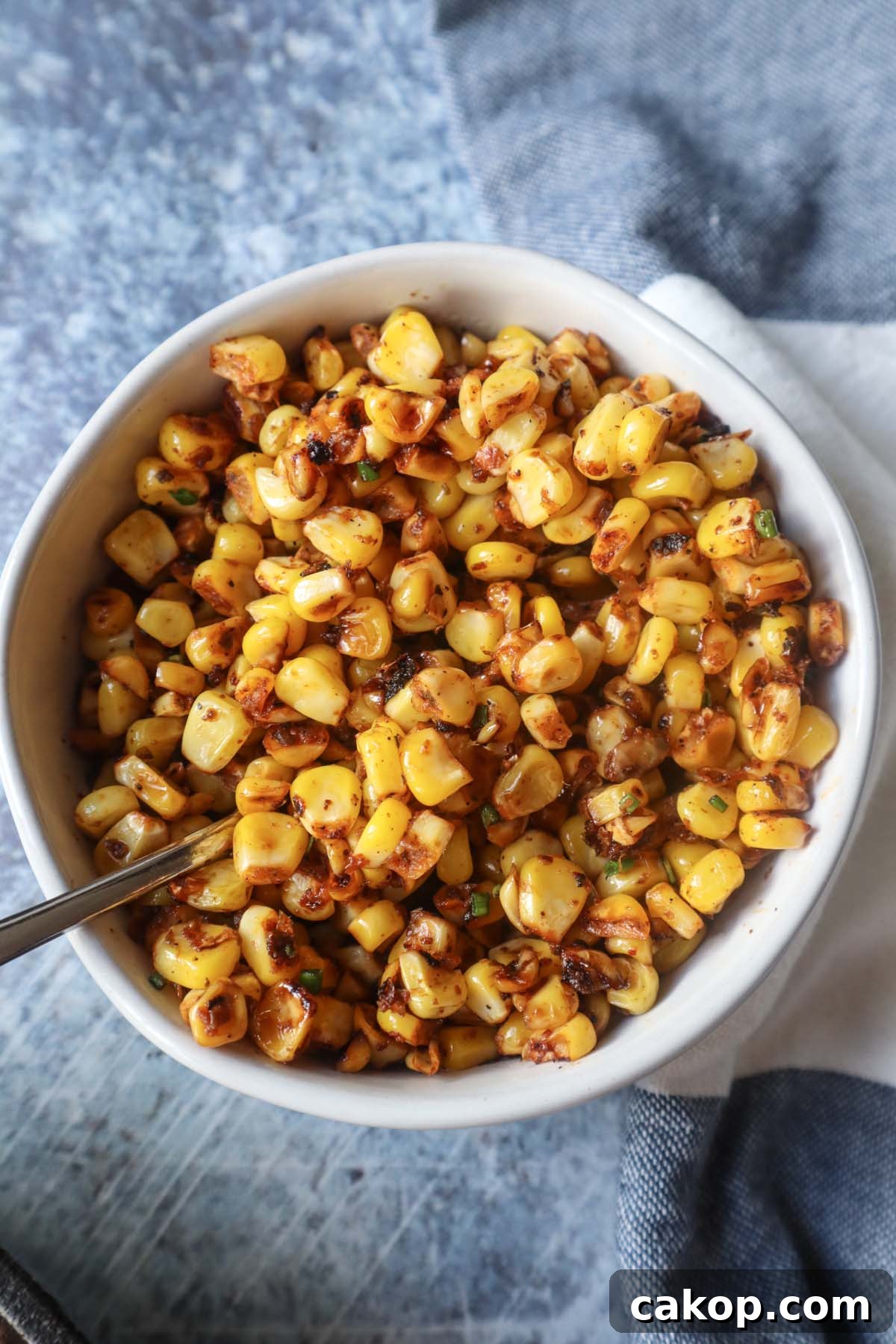
Summer is the best time to cook with fresh corn, and this recipe makes the most of in-season ears. We’ve been using fresh corn in everything from creamy salads to tacos because it’s versatile, delicious, and nutritious. This version brings corn to the next level by charring the kernels in a hot skillet with a simple blackened seasoning—no grill required. The high heat enhances the corn’s natural sweetness and adds a smoky depth that makes it an ideal accompaniment to grilled meats, seafood, or as a flavorful component in a variety of dishes.
If you love corn, try this blackened preparation in a corn mango salsa or a black bean and feta corn dip—both pair wonderfully with the charred flavor.
Reasons You’ll Love This Blackened Corn Recipe
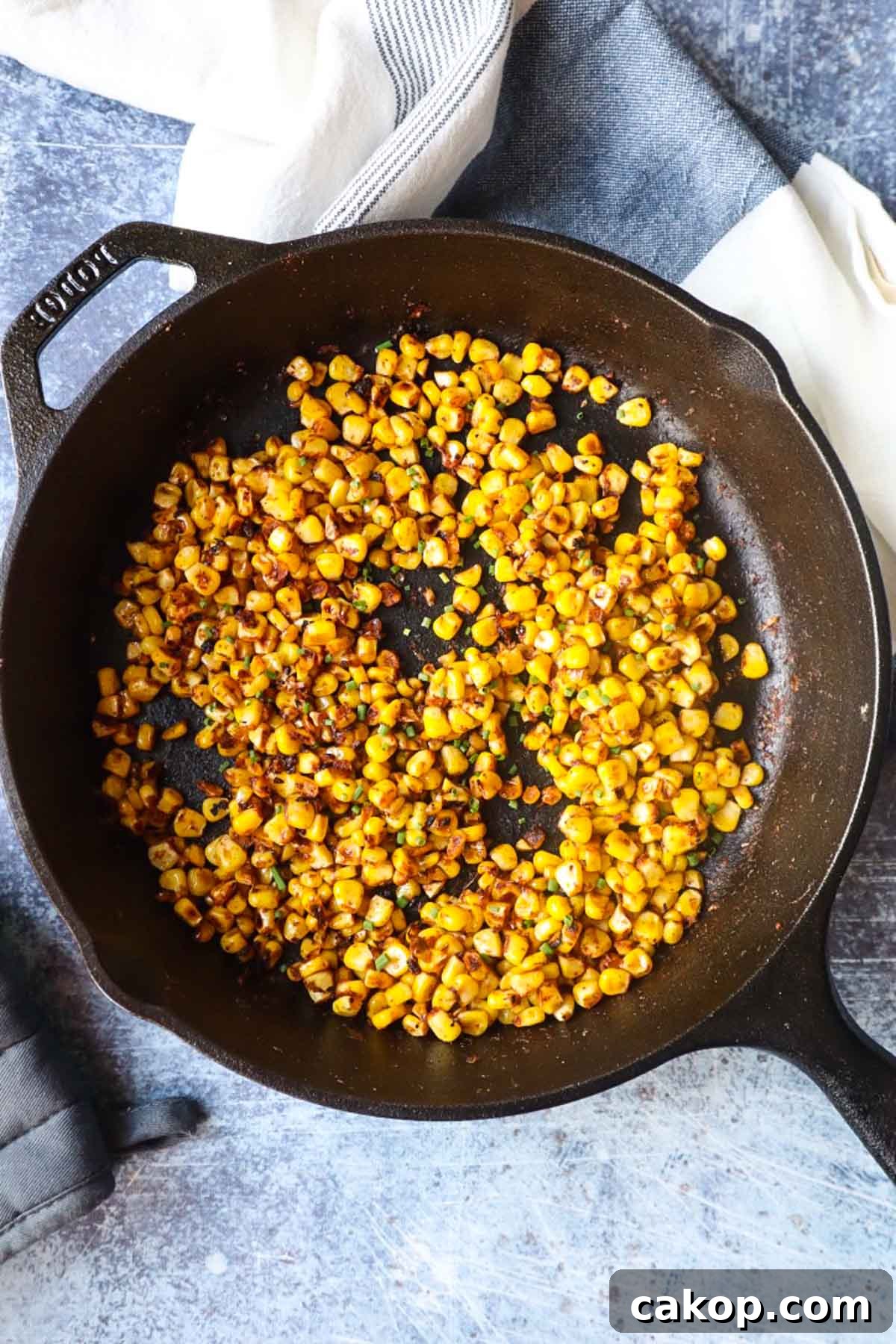
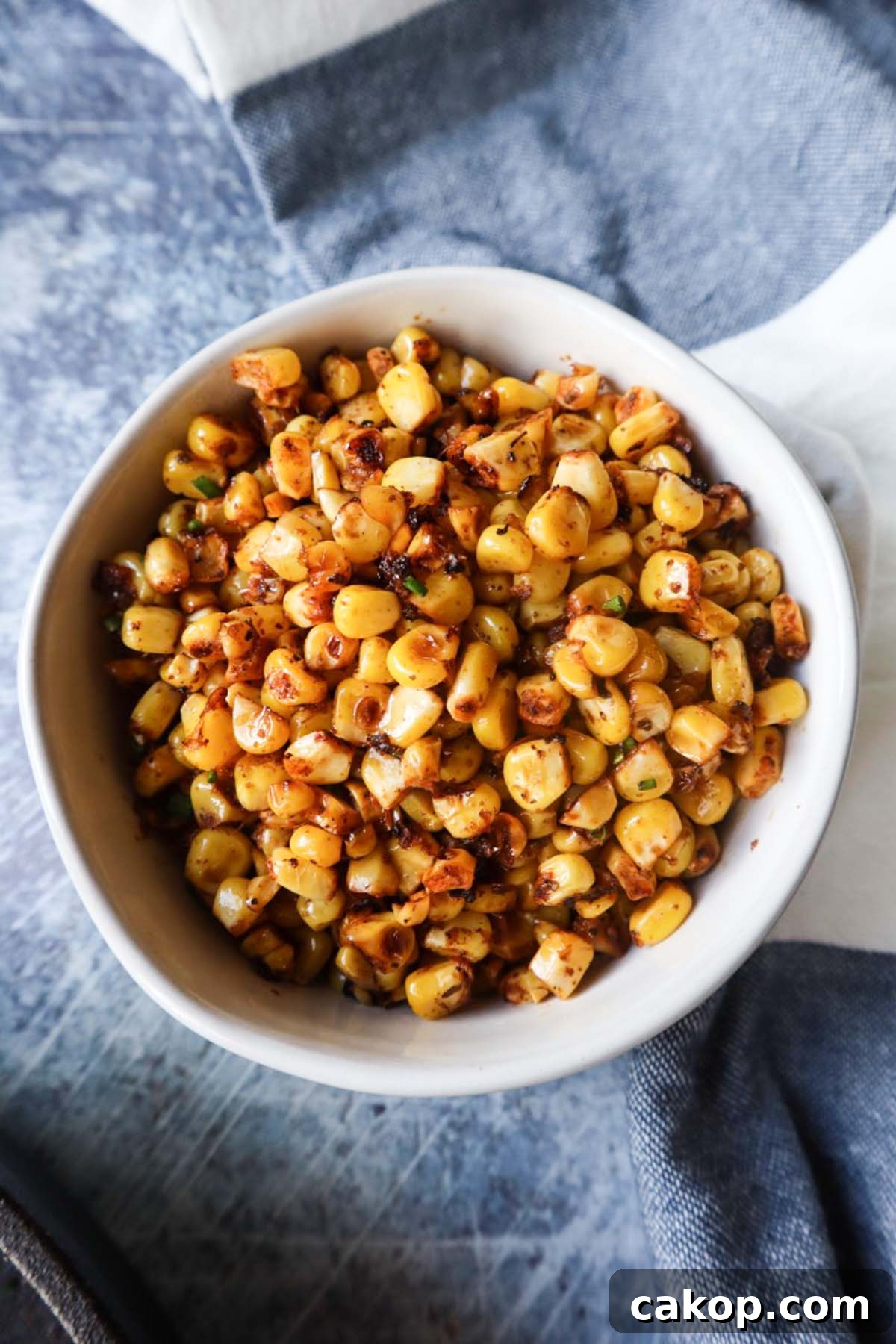
Robust flavor: The charred exterior adds smoky, caramelized notes that deepen the corn’s natural sweetness.
Versatile: Use it as a side dish or fold it into salads, salsas, tacos, quesadillas, and grain bowls.
Textural contrast: Crisp, slightly blackened kernels contrast with juicy, tender corn for satisfying bites.
Simple technique: You can achieve excellent results on the stovetop with a hot skillet, a few seasonings, and minimal effort.
Seasonal favorite: This is a great summer recipe when fresh corn is at its best.
Crowd-pleaser: Bold flavor and attractive presentation make it a hit at barbecues and gatherings.
What is Blackened Corn Anyway?
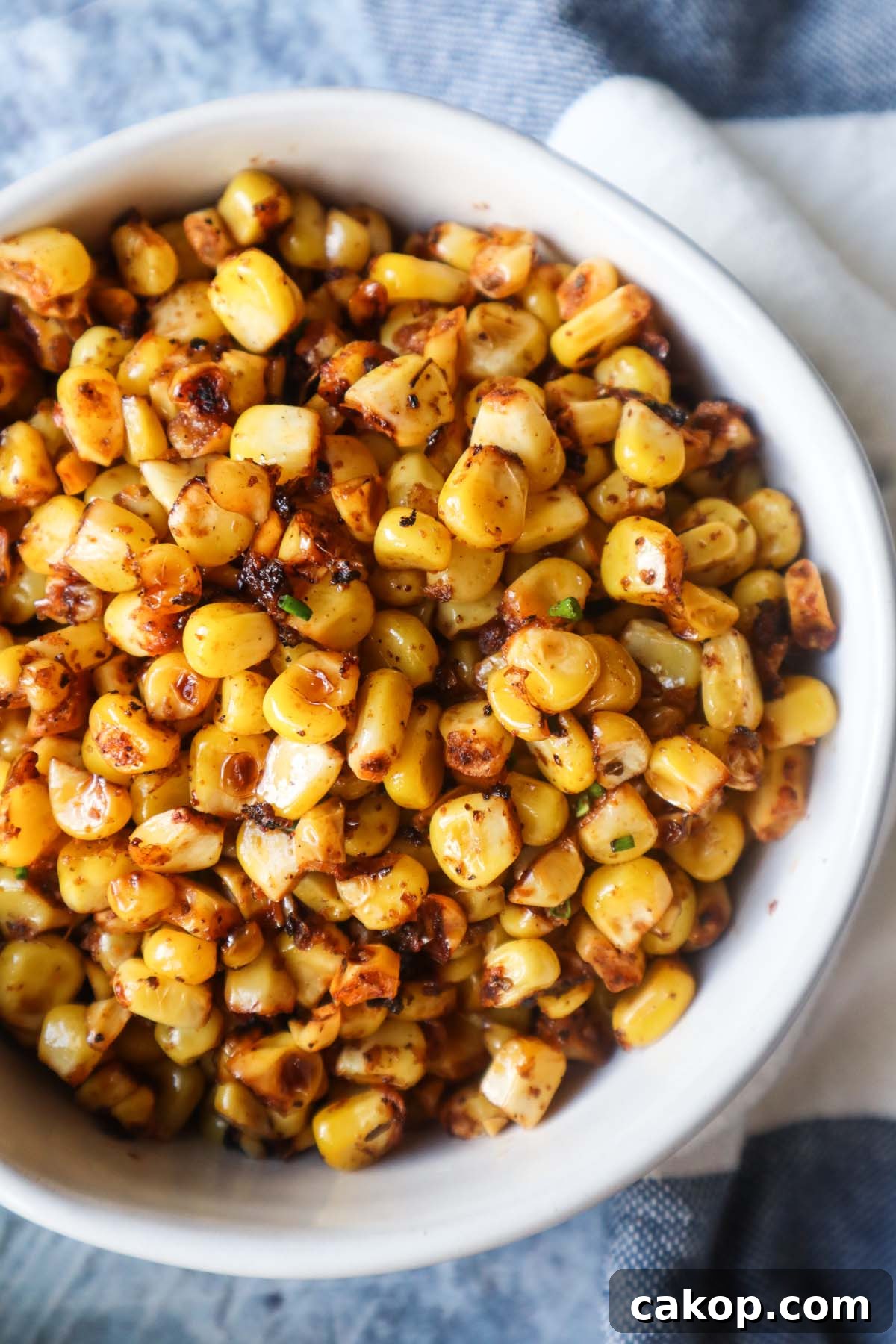
Blackened corn means cooking the kernels over high heat until they develop a dark, slightly charred surface. The process typically uses butter or oil and a spice blend to coat the corn, resulting in caramelized, smoky kernels that enhance the vegetable’s natural sweetness. This straightforward technique adds complexity to fresh corn without masking its flavor.
Ingredients
Corn on the cob – fresh ears are best; see tips below for choosing the best corn.
Butter – unsalted recommended so you can control sodium; use salted if preferred but adjust salt accordingly.
Sea salt
Ground black pepper
Dried oregano
Chili powder
Garlic powder
Onion powder
Lime
Chives – or substitute fresh cilantro, parsley, or scallions.
How It’s Made
Step 1. In a small bowl, combine salt, pepper, oregano, chili powder, garlic powder, and onion powder. Stir until evenly mixed and set aside.
Step 2. Remove husks and silks from the ears, rinse to remove any loose silk, then cut the kernels from the cob with a sharp knife.
Step 3. Preheat a cast iron or heavy skillet over medium-high heat. Add the butter and melt, watching carefully so it doesn’t burn.
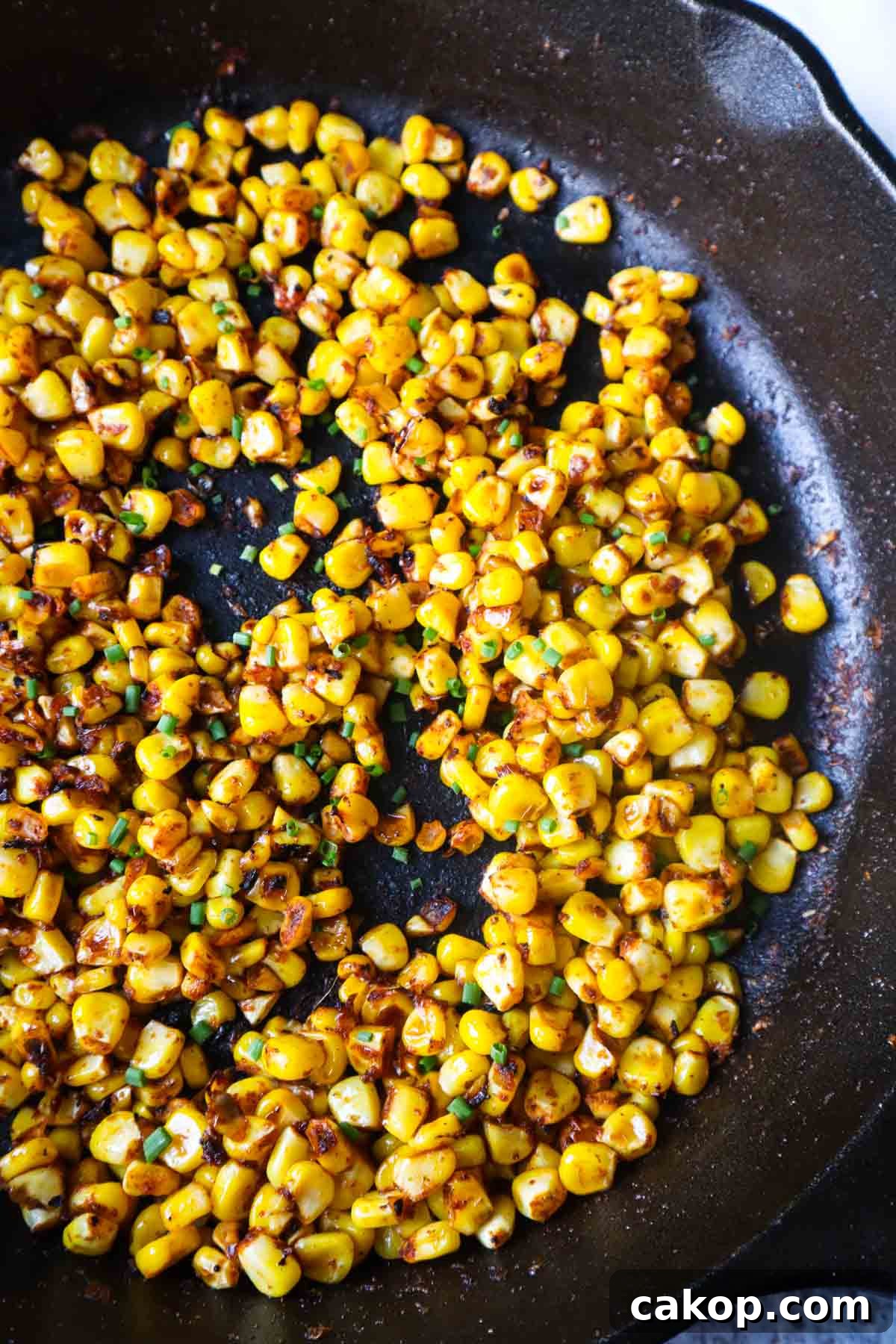
Step 4. Add the corn and the seasoning mix to the hot skillet. Stir to coat, then spread the kernels into an even layer. Let them cook undisturbed for 5–7 minutes to develop a char.
Step 5. Squeeze lime juice into the pan to deglaze, stir to combine, and check that the corn is slightly charred and well seasoned. Remove from heat, sprinkle with chives, and serve immediately. For a deeper blackened finish, return the skillet to heat for a few more minutes.
How to Choose the Best Corn on the Cob
Fresh green husks: Look for bright green, tightly wrapped husks that feel slightly damp and show minimal browning.
Plump kernels: Peel back a small section of the husk to check that kernels are firm, plump, and evenly spaced.
Moisture and weight: The ear should feel slightly moist and relatively heavy for its size—signs of juicy kernels.
Silks: Fresh silks are golden-brown and slightly sticky, indicating recent harvest.
Tips and Tricks
Use fresh corn: When possible, choose in-season ears for the best flavor and texture.
High heat is key: A well-heated skillet creates the sear and char that define blackened corn.
Don’t overcook: Aim for a balance of charred edges and tender kernels—watch closely to prevent burning.
Let it rest: Allow the corn to cool for a few minutes before serving or incorporating into other recipes so flavors settle and it’s easier to handle.
Ways to Serve Blackened Corn
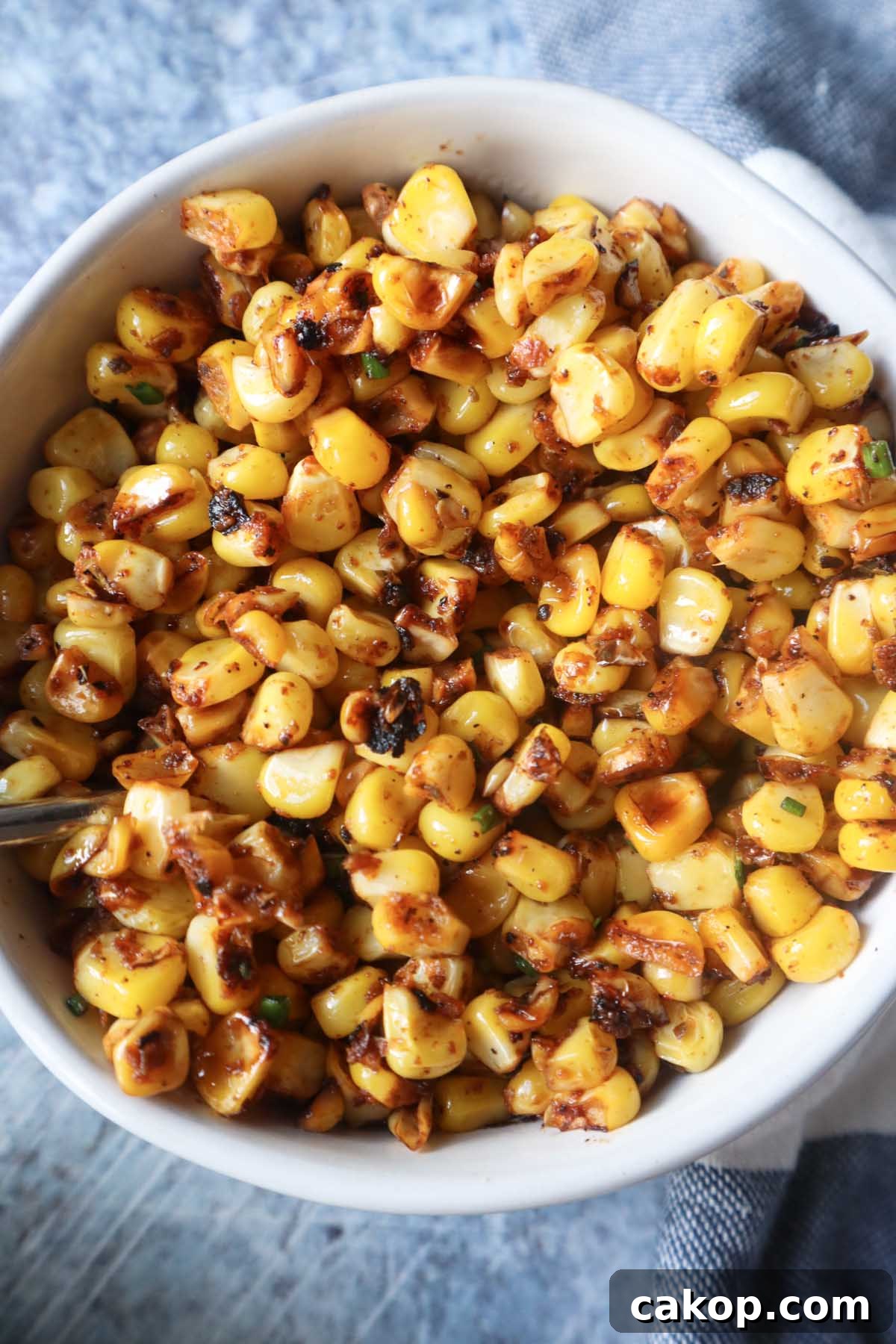
Blackened corn is adaptable—here are favorite serving ideas to highlight its smoky sweetness.
Standalone side: Serve on the cob or as loose kernels alongside grilled meats, burgers, or a BBQ spread with a squeeze of lime.
Salads: Add chilled or warm blackened kernels to mixed green salads, grain bowls, or southwest-style salads for extra flavor and texture.
Salsas and relishes: Mix chopped blackened corn with tomatoes, onions, jalapeños, cilantro, and lime for a smoky corn salsa that pairs with chips, fish, or tacos.
Tacos and quesadillas: Fold into tacos or quesadillas with grilled chicken, shrimp, or cheese and fresh toppings.
Soups and chowders: Stir into corn chowder, vegetable soup, or black bean soup to deepen flavor.
Toppings: Scatter over nachos, pizza, baked potatoes, or macaroni and cheese for a smoky boost.
Dips and spreads: Blend with avocado, beans, or cream cheese for unique dips and spreads.
Blackened Corn Variations
Spicy: Add cayenne, chipotle powder, or red pepper flakes to the seasoning for heat.
Citrus: Finish with lime or lemon zest to brighten the smoky notes.
Herb-infused: Fold in fresh cilantro, parsley, or basil after cooking for fresh aroma.
Cheesy: Top with crumbled cotija or feta for a tangy, salty contrast—cotija works especially well for a Mexican-style version.
Combined salads: Make a corn and avocado salsa or toss blackened corn with black beans, bell pepper, red onion, lime, and olive oil for a satisfying salad.
With bacon: Cook crispy bacon first and use the rendered fat to sauté the corn, then crumble the bacon into the finished dish for smoky richness.
Frequently Asked Questions
Can I use frozen corn?
Yes. Thaw and pat frozen corn dry before cooking to remove excess moisture—this helps the kernels char more effectively and prevents splattering when they hit the hot butter or oil.
Can I use canned corn?
You can, but canned corn is already cooked and softer, so it won’t char as well. Drain and dry it thoroughly before attempting to blacken, and expect a different texture and milder result.
Does corn need to boil before blackening?
No. Boiling first can overcook the kernels. Blackening is meant to be done directly in a hot skillet to preserve texture while developing a charred surface.
Storing and Reheating
Store cooled leftovers in an airtight container in the refrigerator for 3–4 days. To reheat, warm in a skillet over medium heat with a little oil or butter for 5–7 minutes, stirring occasionally. For a quick method, microwave in a covered dish with a damp paper towel in 30-second intervals, stirring between intervals until heated. Note that reheating may soften some of the charred texture but the flavor remains enjoyable. Discard leftovers left at room temperature for more than two hours.
More Recipes You’ll Love
Easy Blackened Chicken Tacos
Carne Asada Quesadillas
Cajun Honey Butter Salmon
Tacos De Camaron
Chicken Bacon Ranch Sandwich
Best Ever Blackened Corn
Kate
Pin Recipe
Ingredients
- 2 corn on cob
- 2 tablespoons butter
- ¼ teaspoon salt
- ¼ teaspoon pepper
- ½ oregano
- ½ teaspoon chili powder
- ½ teaspoon garlic powder
- ½ teaspoon onion powder
- 1 teaspoon cajun seasoning
- 1 lime squeezed
- Chives
Instructions
-
Mix salt, pepper, oregano, chili powder, garlic powder, and onion powder in a small bowl and set aside.
-
Remove husks and silks from the corn, rinse, and cut kernels off the cob with a sharp knife.
-
Heat a cast iron skillet over medium-high heat, add butter and melt without burning.
-
Add corn and seasoning to the skillet, stir to coat, spread into an even layer and cook undisturbed for 5–7 minutes to develop char.
-
Deglaze with lime juice, stir, remove from heat, top with chives and serve. Cook a few extra minutes if you want a more pronounced blackening.