Why is my child holding so much food in their mouth? Just chew!
Why does she play with her food for so long? Just eat!
Why do certain meals leave me unsatisfied even though they’re healthy and filling?
Mary Voogt, a feeding specialist with deep experience in food allergies, explains how she discovered the four Eating Styles and how understanding them can reduce dinner stress while improving nutrition for the whole family.
In this interview Mary shares how each of her children pushed her to rethink feeding and eating, and how learning the “how” of feeding opened a new path to success — and healthier, happier eaters. Whether you have a picky child or one who runs around the table, there are predictable reasons behind the behavior and practical strategies you can use.
Kids Eating Styles
Mary outlines the characteristics and needs of the four Eating Styles:
- Intuitive
- Adventurous
- Active
- Analytical
When you learn these styles you’ll begin to recognize patterns: why one child eats as soon as they wake and accepts the same breakfast every day while another slowly picks at food for an hour. The Eating Styles lens helps you understand those differences and adapt mealtime approaches.
Mary also addresses the challenge of meal planning for multiple Eating Styles and offers practical tips for preparing a single meal that can be adjusted slightly so everyone enjoys it more.
Her message is hopeful: all children can be great eaters when we work with their natural tendencies and support areas that need growth. Mary speaks from experience — a mother who moved from near feeding crises to raising four enthusiastic eaters.
Watch Kids Eating Styles on YouTube.
No time to watch the whole video? Here are the notes.
Eating Styles Video Time Stamps
- 0:14: Introduction to Mary Voogt, a homeschooling mother of four who is training as a Nutritional Therapy Practitioner to deepen her work with children’s nutrition.
- 1:58: Mary describes how her children’s feeding challenges led her into child nutrition, informed by years of dealing with food allergies and feeding issues.
Why Won’t My Child Eat?
- 8:04: Parents often worry about calories, protein, and veggies and ask what to feed their picky children. Mary turned the question around: how we feed children is often more important than simply what we offer.

- 9:46: Mary’s oldest son reacted strongly to carrots until she experimented with preparation. Ultimately she discovered he was sensitive to many orange vegetables due to difficulty metabolizing beta-carotene — an example of why digging into the “why” matters.
The Four Eating Styles
- 11:29: Over time Mary identified four distinct Eating Styles.
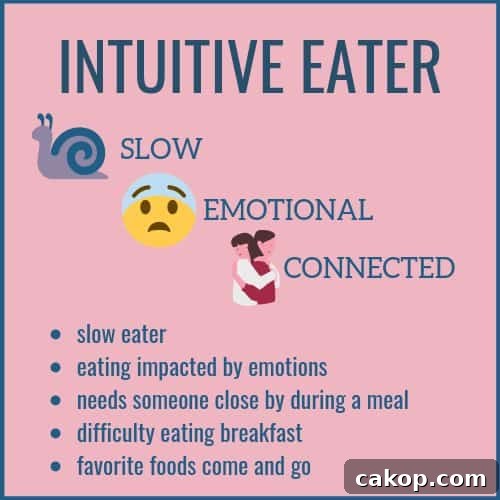
- 11:51: The intuitive eater, often labeled “picky,” listens closely to their body and prefers predictable, comforting foods.
- 13:03: The adventurous eater likes to play with food, decorate plates, and engage creatively with meals.

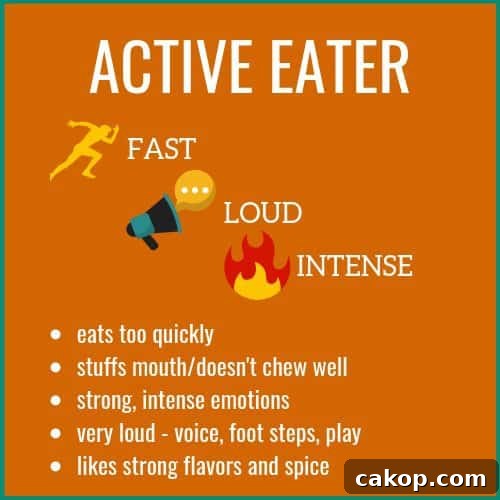
- 13:38: The active eater consumes food quickly and prefers bold flavors and strong combinations.
- 14:28: The analytical eater thrives on structure and routine and prefers predictable meals with clear textures and contrasts.

- 15:26: Most children have a dominant style and may overlap with a second style. As you observe them, you’ll likely see recognizable traits emerge.
Determining Your Child’s Eating Style
- 16:06: Consider the big picture when identifying your child’s Eating Style. Look at patterns over time rather than isolated incidents.
HOW you feed your child is the first step that determines WHAT you feed them. You can’t skip it or you’ll just be frustrated. -Mary Voogt
- 16:48: Meal planning for multiple Eating Styles can be challenging, but Mary shares approaches that make it manageable.
- 17:41: Intuitive eaters prefer comforting, soft foods. Adventurous eaters enjoy handheld, customizable options. Active eaters want quick, intense flavors. Analytical eaters respond to clear contrasts in flavor and texture.
Making ONE Meal Everyone Will Enjoy
- 19:53: Mary gives examples of balancing all four Eating Styles at one meal. Many dishes can be adjusted slightly so each child gets what they need while the family shares the same main food.
- 20:59: When a meal strongly favors one style, small adaptations—such as different toppings, textures, or presentation—help other styles accept it.
You can still feed everybody the same food, you just need to make some little tweaks. -Mary Voogt
- 24:07: Parents often recognize what their children need by watching them. When children are old enough, involve them in meal planning — intuitive eaters often enjoy helping choose and prepare meals.
- 25:44: Both hosts describe daughters who enjoy planning and experimenting with recipes and who regularly help cook for the family.
Reduced Stress at Meals
- 26:49: Understanding why children behave a certain way at mealtimes reduces stress. Despite different styles, Mary emphasizes that all her children are good eaters.
- 28:23: Mary, an analytical eater, values peaceful meals. She uses calming breaths to relax before eating — a helpful habit for digestion that benefits all styles.
- 29:33: Discussing each family member’s Eating Style at the table helps children understand themselves and each other.
When you learn about how your kids eat, you’ll learn so much about yourself. -Mary Voogt
- 30:50: Mary describes why some meals leave her unsatisfied even when she’s full — knowing your Eating Style explains those preferences.
- 33:13: Mary offers an Eating Styles membership to guide families in identifying their types and creating sustainable strategies for mealtimes.
- 37:32: The interview closes with encouragement: there is hope for every family dealing with feeding challenges.

At Kids Cook Real Food we teach connection, confidence, and creativity through cooking. Learning your child’s Eating Style can give you tools to feed your children with greater confidence and deepen your connection by understanding why they eat the way they do.
Featured resources and options
Mary offers resources including her Eating Styles membership and a breakfast eBook that support families in practical ways. There are also recipes and strategies for picky eaters, rotation diets, and other approaches that have helped many parents navigate mealtimes more easily.

I am an affiliate for Mary’s course, but that doesn’t change your price!
 Mary is a homeschooling mother of four who has spent years helping parents navigate feeding challenges. With a background in engineering and personal experience managing food allergies, she focuses on root causes and practical solutions. Mary emphasizes that how children eat often matters more than what they eat and she aims to give parents hope and tools so their children can eat well and feel great.