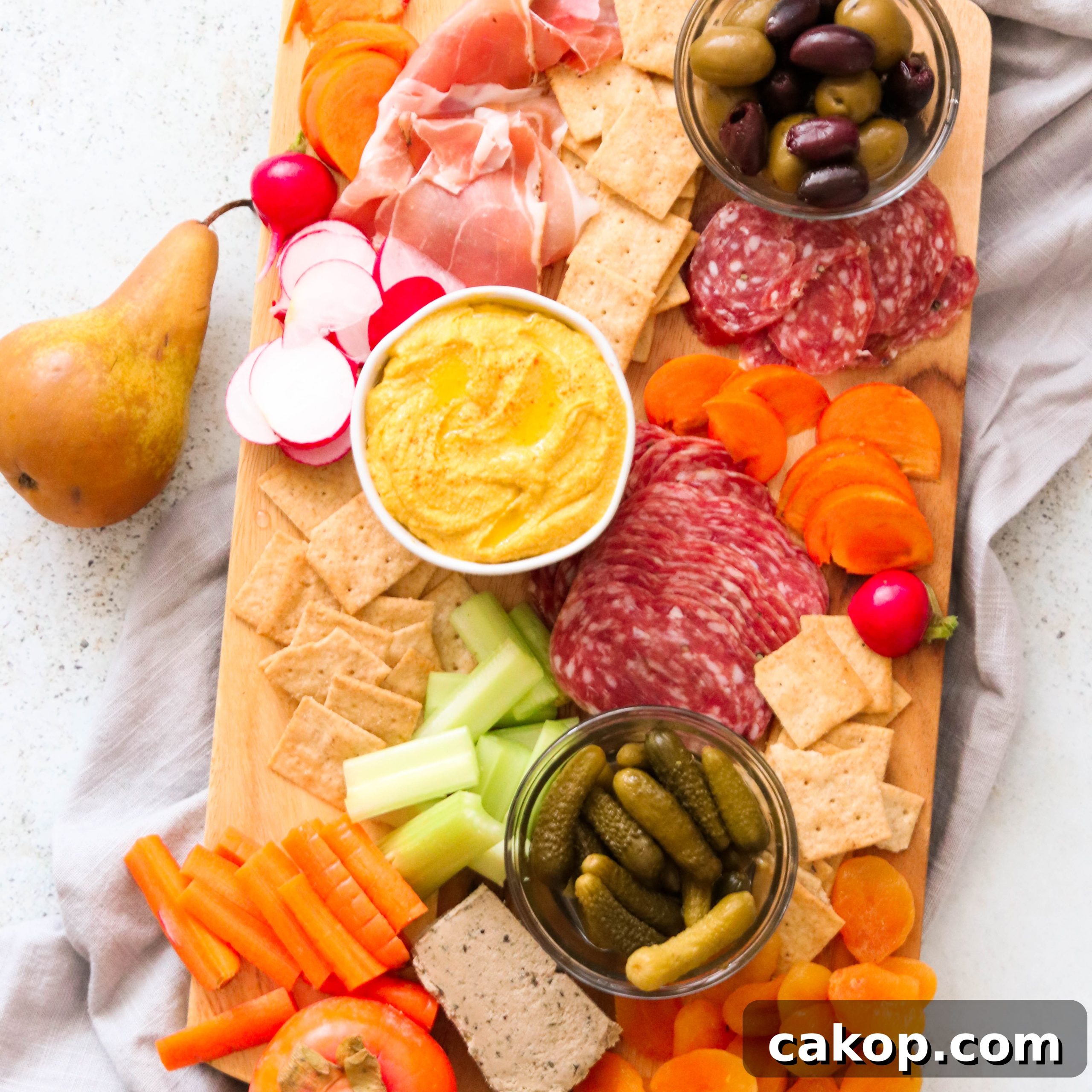
Learn how to build a delicious, beautiful paleo charcuterie board that will impress your guests and keep them satisfied until dinner.
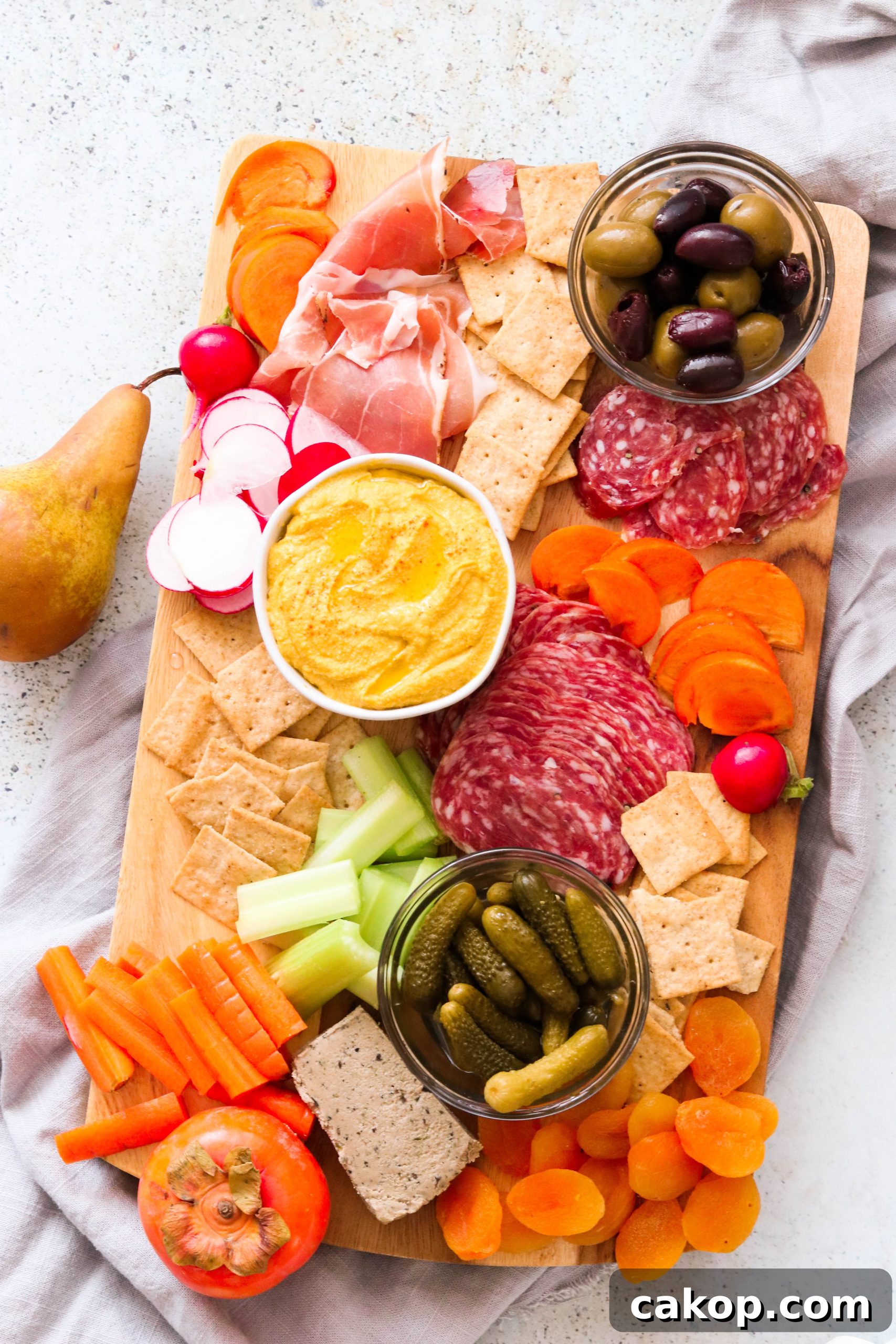
Who doesn’t love a charcuterie board? It’s often the first thing I reach for at a party. I enjoy the freedom of picking a variety of bites, tasting different cured meats, and sampling combinations I might not try otherwise.
Each year I assemble a paleo charcuterie board for the holidays. It’s always a crowd-pleaser and gives me time to finish cooking while guests graze on the appetizers.
Traditional charcuterie includes cheeses and meats, but a paleo version skips cheese and makes room for more vibrant fruits, vegetables, dips, and other flavorful accompaniments.
What is Charcuterie?
Charcuterie (pronounced shahr-koo-tuh–ree) refers to the art of preparing cured and smoked meats such as salami, prosciutto, pâté, ham, and sausages. It’s commonly served on a wooden board alongside jams, fruits, nuts, pickles, and other small bites so people can sample a range of flavors at gatherings.
Preparing a charcuterie board is fun and satisfying, both to build and to eat—especially during the holidays when it makes an excellent starter or snack.
How to Make a Paleo Charcuterie Board
Making a paleo charcuterie board is simple. Aim for a mix of textures and flavors—salty, sweet, tangy, and crunchy—and arrange items so they’re easy to reach. The best part is how customizable and visually appealing a board can be.
Below are components to consider adding to your paleo charcuterie board:
Meats
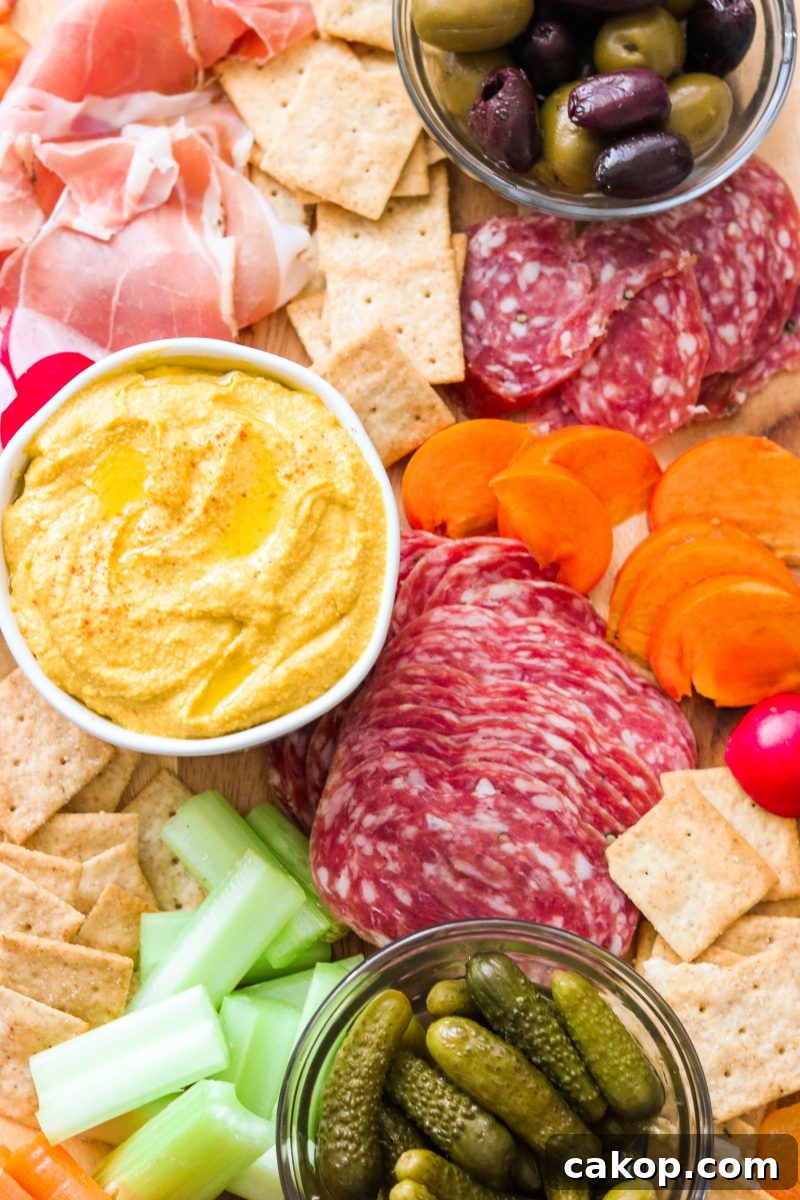
Cured meats are the centerpiece and often the most anticipated items. Plan for about 2–3 ounces of meat per guest and include at least four varieties when possible. Favorite choices include:
- Liver pâté — often the first to disappear
- Prosciutto or speck
- Salami such as sopressata or coppa
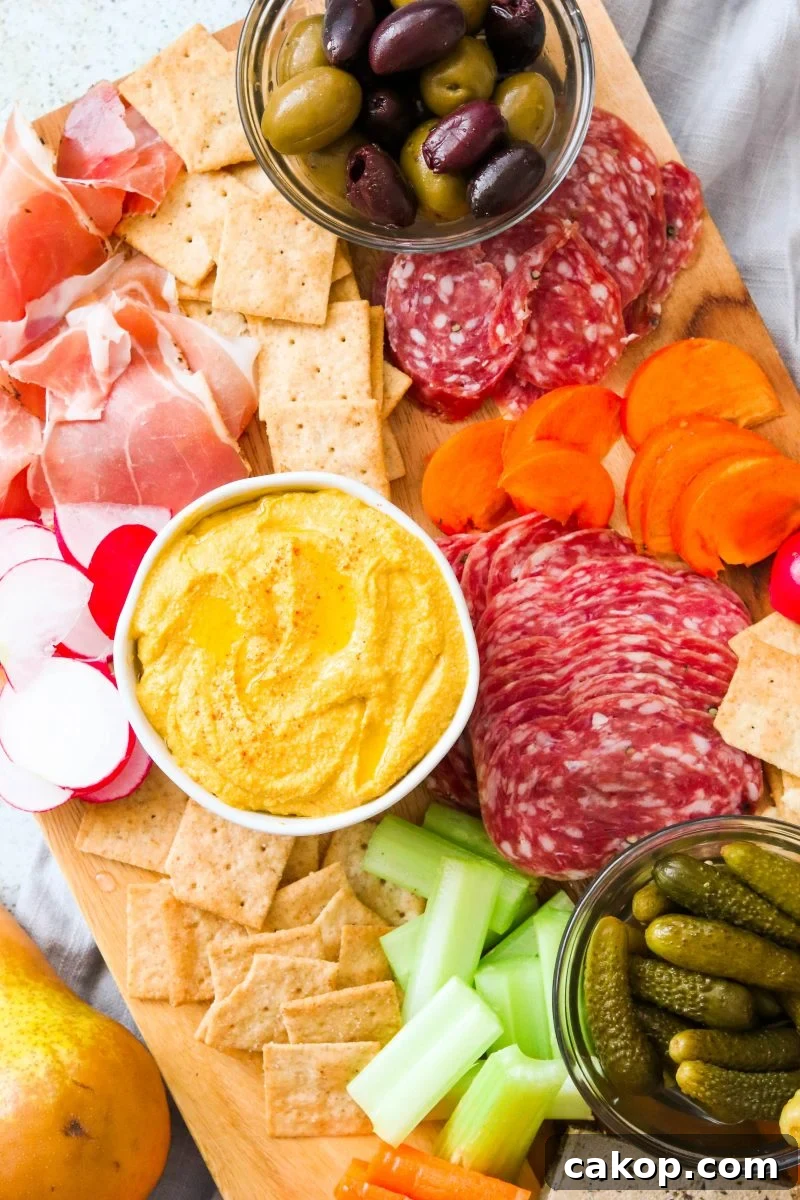
Vegetables
Crunchy, fresh vegetables are a welcome contrast to rich meats. They cleanse the palate and add texture. Try including:
- Carrots
- Celery
- Cauliflower
- Radish
- Cucumber
- Broccoli
Fruits
Sweet fruits balance salty meats and bring color and brightness to the board. Consider a mix of fresh and dried fruits:
- Fresh: persimmon, grapes, pear, pomegranate, melon, apple, berries
- Dried: mango, apricot, goji berries, figs, dates
- Fruit jams or chutney for added sweetness
Crackers
Select paleo-friendly crackers to offer a crunchy base for meats and spreads. There are many gluten-free options available; choose one your guests will enjoy.
Something Sour
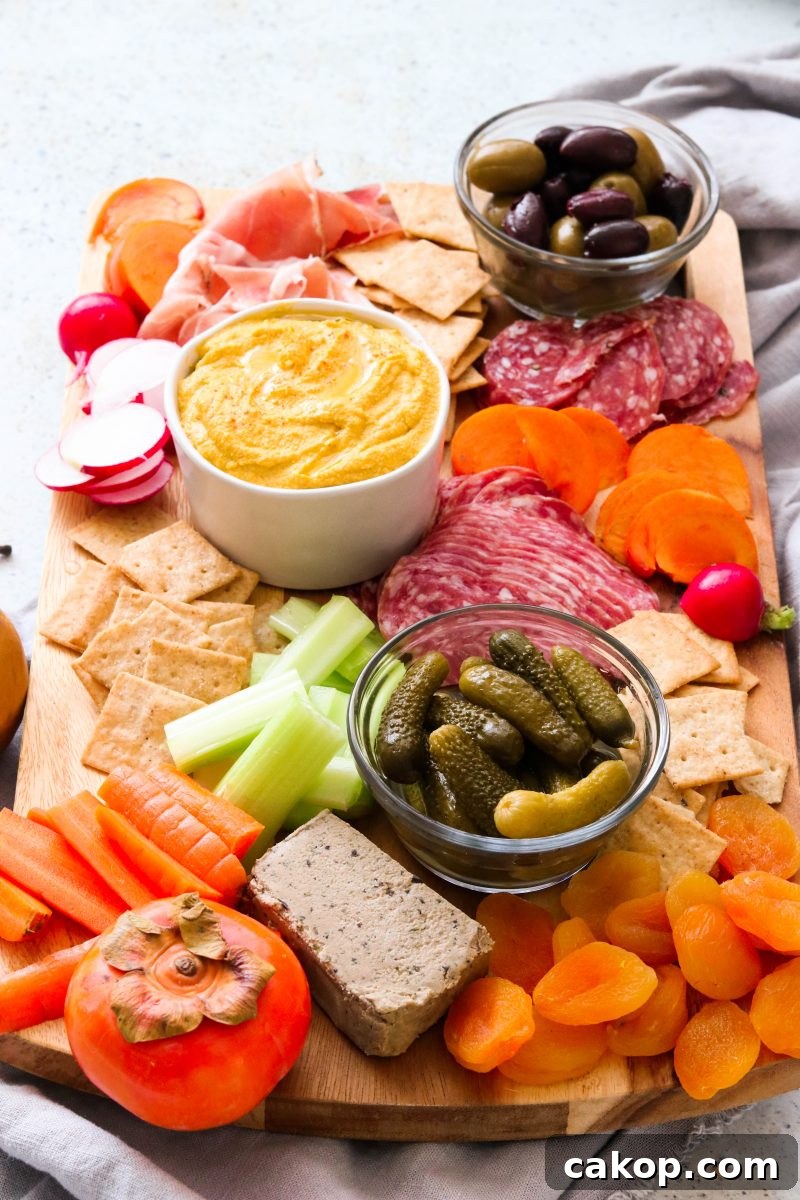
Pickled or acidic elements are essential to cut through rich flavors and brighten the board. Popular tangy options include:
- Pickled or marinated olives
- Marinated peppers
- Quick-pickled onions
- Mustards or tangy dressings
- Cornichons, horseradish, or marinated artichoke hearts
Other Optional Add-Ons
Small extras enhance variety and presentation. Consider:
- Nuts for crunch and richness
- Dips like paleo-friendly hummus or savory spreads
- Fresh herbs for color and aroma
Tips for a Beautiful Paleo Charcuterie Board
Creating a visually striking board is easier than it seems. With diverse colors and textures, the ingredients naturally complement one another. Use these tips to make your board stand out:
- Choose a sturdy board—wood, slate, or marble all work well and provide a nice surface for slicing and arranging.
- Distribute items around the board so guests can reach food from any side. Place some meats, fruits, and crackers near each edge.
- Don’t be shy about crowding the board; overlapping items creates a lush, abundant look.
- Use small bowls or ramekins for wet items like olives, dips, and relishes to keep the board tidy and easy to replenish.
- Fill in empty gaps with crackers, extra fruit, or herbs to achieve a full, inviting presentation.
I hope these suggestions make your next paleo charcuterie board effortless and impressive. It may seem daunting at first, but with a few thoughtful components and simple arrangement techniques, you can create a delicious, crowd-pleasing spread that’s both beautiful and satisfying.
Affiliate relationships may result in compensation for endorsements, recommendations, or links to products and services featured here. Thank you for your support.