From red sandstone cliffs to vivid blue rivers, the American Southwest is filled with unforgettable scenery. During my visits I was constantly struck by the region’s most photogenic and Instagram-ready spots. I photographed many of them and shared the best shots on Instagram, but I also wanted to gather my favorite locations into a single guide that makes it easy for you to plan your own trip and take beautiful photos.
Instagrammable Spots Around the Southwest
This post collects the highlights from my Southwest road trips into an easy-to-follow guide. Whether you’re chasing sunrise, sunset or the Milky Way, these spots offer dramatic backdrops and picture-perfect moments. Use this list to plan photo opportunities and discover scenes that will look great on your feed.
Mystic Hot Springs
Mystic Hot Springs was an unexpected delight. I made a quick stop on the way to Moab and found relaxing pools set against colorful red rocks — a fantastic combination for both winding down and taking eye-catching photos. The contrast between steaming water and warm rock hues is especially striking at golden hour.
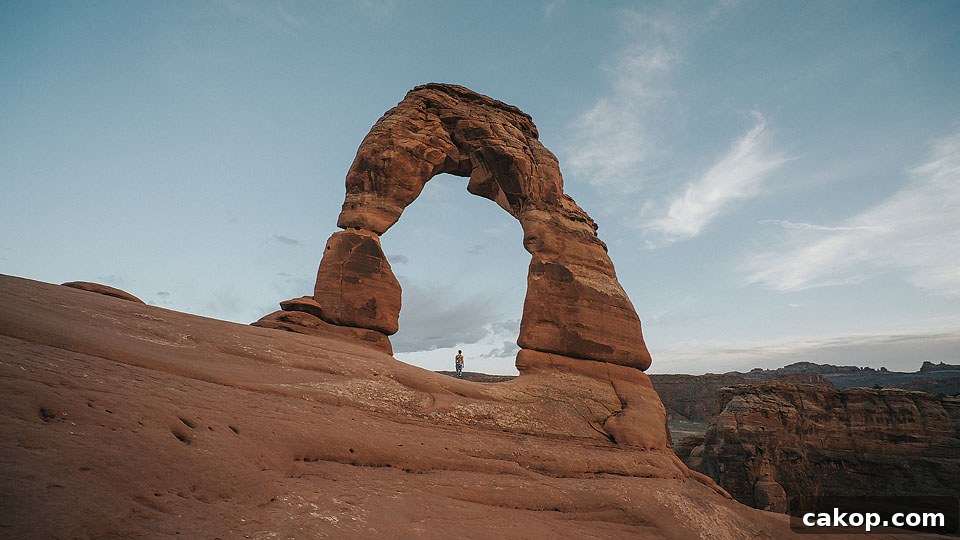
Delicate Arch
Delicate Arch in Arches National Park is a classic for a reason. The short hike is rewarding and the views at the top are unforgettable. The trail to the arch is manageable for most visitors and delivers stunning perspectives at any time of day. Expect crowds but plan your timing—sunrise and sunset produce especially dramatic light.
Window at Arches National Park
The Window arches are easily accessible from the road and require only a short walk, making them ideal for quick stops. The natural frames created by the rock formations let you compose creative shots with minimal effort. Close proximity to parking and a short trail make this a convenient and rewarding location.
Hammer Rock at Arches National Park
Known locally as “Hammer Rock,” this formation looks like a mythical hammer silhouetted against the sky. Sunrise is the ideal time to visit, when the rising light creates a halo effect around the formation. It’s a playful and memorable spot for a creative shot.
Canyonlands for Star Photos
Canyonlands offers spectacular night skies thanks to its remote location and low light pollution. Staying after dark reveals an entirely different landscape — perfect for star trails and Milky Way photography. Bring a tripod, dress warmly, and scout compositions during daylight so you’re ready when the stars appear.
Monument Valley
Monument Valley is one of the most iconic photography locations in the Southwest. The monolithic buttes and endless horizons are stunning at sunrise and sunset, and the remote setting also produces excellent conditions for night photography. Classic road shots and vantage point views are both highly rewarding.
The viewpoint at sunrise, just a short distance from lodging, is particularly special for early light and long shadows.
The road leading into Monument Valley has become a must-capture image. You’ll often find other visitors pulled over taking the same shot — for good reason. The long, straight approach framed by towering buttes makes for a dramatic composition.
Antelope Canyon
Antelope Canyon, located in Arizona near the Utah border, is a slot canyon famous for its flowing sandstone walls and light beams on sunny days. Morning visits often produce the most dramatic light, but the canyon is popular and can get crowded. If you want those beams, book a tour early and be prepared for a guided visit.
Horseshoe Bend
Horseshoe Bend near Page, Arizona, produces one of the Southwest’s most dramatic sunset images. A short hike from the parking area brings you to a towering overlook above the Colorado River’s dramatic curve. Arrive early for a good vantage point — sunsets draw crowds but reward patience with spectacular color and light.
Bryce Canyon
Bryce Canyon is remarkable both during the day and at night. Its unique hoodoos create dramatic silhouettes at sunrise, and the remote location makes it excellent for Milky Way and star photography. For night shoots, allow time to scout compositions and stay warm — the rewards are incredible long-exposure photos.
Sunrise vistas at viewpoint overlooks deliver soft, directional light that emphasizes the canyon’s sculpted rock formations. Expect other photographers, but the views are worth the wait.
Zion National Park
Zion offers dramatic canyons, waterfalls and challenging hikes, making it one of my favorite parks. I visited in winter when snow added a beautiful contrast to the red cliffs, though some trails were closed. Summer and shoulder seasons provide more access to hikes like Angels Landing and the Narrows. Zion’s variety of terrain gives photographers endless options.
Havasu Falls
Havasu Falls, located in the bottom of the Grand Canyon, is famous for its turquoise water and lush setting. Access is limited and requires permits, which can be competitive; plan well in advance. Some visitors use helicopter transport for a shorter visit, while others opt for the long multi-mile hike into the canyon. Either way, the vivid color of the water against red rock is unforgettable.
Valley of Fire
If you can’t get enough of red and orange sandstone, the Valley of Fire delivers more of the same with striking formations and vivid colors. Choosing clothing that complements the warm tones will make your photos stand out even more.
Seven Magic Mountains
Just outside Las Vegas, Seven Magic Mountains features bold stacks of painted boulders sitting in the desert. The vibrant colors against the open landscape create playful, high-contrast images and make for a quick and fun photo stop.
Las Vegas by Air
Seeing Las Vegas from a doorless helicopter is an unforgettable experience. The city lights and neon create dramatic aerial photos that show a very different side of the Southwest. The view from above at night is especially spectacular and makes for distinctive images.
Grand Canyon
The Grand Canyon is one of the world’s most photographed landscapes for good reason. Panoramic rim views, seasonal contrasts and abundant wildlife create endless photo opportunities. Winter visits offer a striking contrast of snow on the canyon’s layered rock, while the sheer scale of the vistas ensures great compositions at virtually every lookout.
A quick stop at the outer rim offers instant, awe-inspiring panoramas; plan a longer trip if you want to explore deeper and capture a wider range of scenes.
Lake Tahoe
Lake Tahoe’s clear water and mountain backdrop set it apart from the desert landscapes of Arizona and Utah. Cooler weather and alpine scenery offer a refreshing contrast and excellent photo opportunities year-round. Pack layers — temperatures can change quickly near the lake and at higher elevations.
Thank you for reading about my travels through the Southwest. I hope this guide inspires you to explore these locations and capture your own beautiful images. Stay curious and happy shooting!
You Might Also Like
- Southwest Road Trip in 48 Hours
- Moab to Monument Valley – Southeast Utah Road Trip
- 15 Instagrammable Spots in Portugal
- Southern Nevada Adventure
- 7 Spots to Explore in Northern Nevada