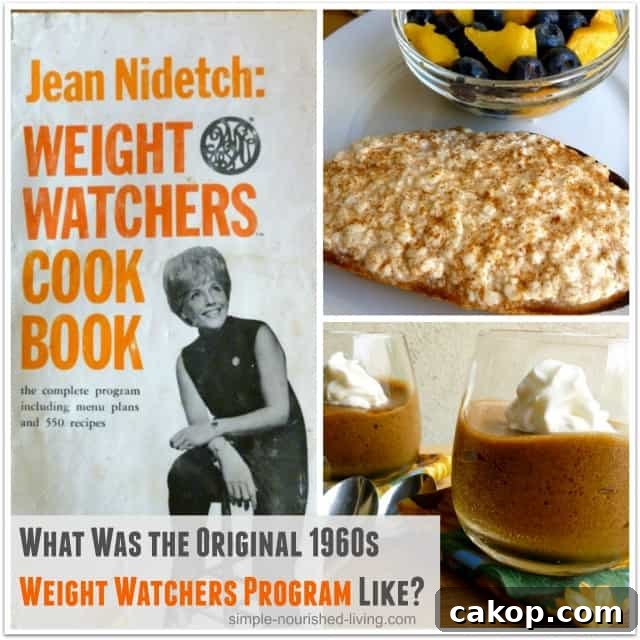
Have you ever wondered what the old Weight Watchers plan was like in the 1960s?
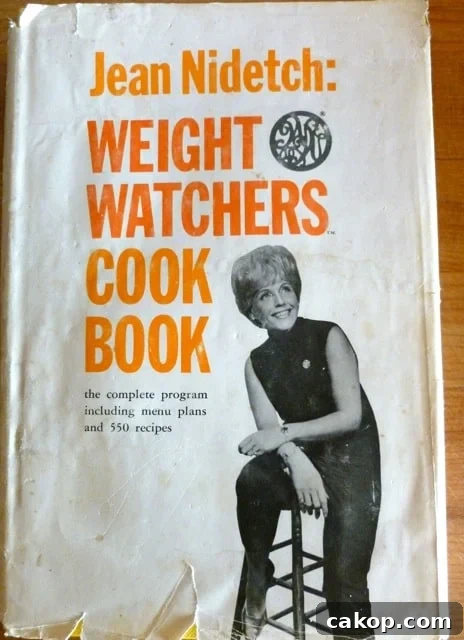
I found an original Weight Watchers cookbook from 1966 and enjoyed reading how the program worked in its early years. The book offers a clear picture of the original plan, its rules, sample menus, and the mindset behind the approach that launched Weight Watchers in the early 1960s.
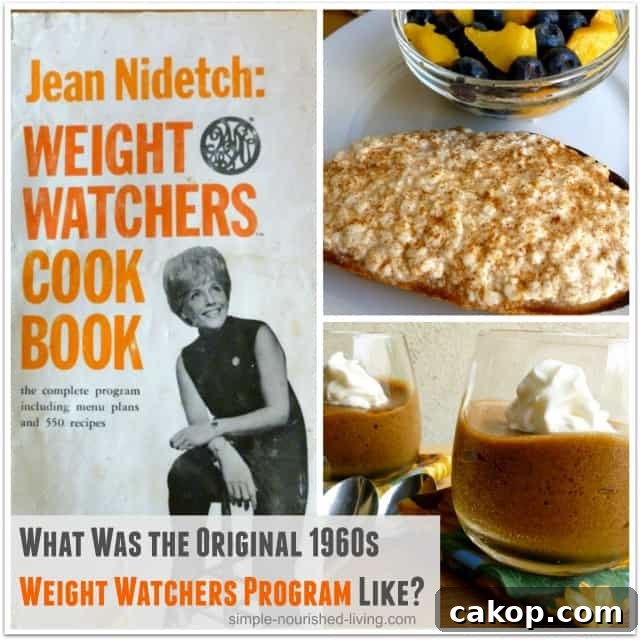
I originally lost weight and became a lifetime member of Weight Watchers in the early 1990s, when the program used a food-exchange system called Quick Success. I lost about 30 pounds in eight months and learned a great deal about portion control and healthy eating.
Why I think the old Weight Watchers food-exchange program (Quick Success) was effective

Martha McKinnon’s Weight Watchers Story: Part 1

Martha McKinnon’s Weight Watchers Story: Part 2

Martha McKinnon’s Weight Watchers Story: Part 3
The Quick Success and older exchange systems emphasized discipline and clear boundaries. You couldn’t “game” the plan by filling up on large amounts of certain foods; portions were defined and restrained. For many people who do better with firm rules rather than flexible moderation, this style was more effective.
The 1960s cookbook includes an introduction by founder Jean Nidetch, the plan’s rules, and sample menus. It also outlines practical habits that supported weight loss and long-term maintenance. Below is a summary of the core concepts, food groups, weekly meal structure, and helpful tips from that era that are still relevant today.
The underlying concepts of the original 1960s Weight Watchers plan
1. Overeating is a habit.
Like any habit, it can be changed with intention and persistence.
2. Take it step by step.
Approach weight loss one meal, one day, one week at a time to build steady progress.
3. Delay gratification.
When tempted by a treat, pause and consider whether a slim, healthy figure is more important than the immediate pleasure.
4. No crash diets.
The focus is on learning lasting habits rather than temporary fixes or pills.
5. Control your environment.
Avoid stocking tempting foods at home and create surroundings that support your goals.
6. Use humor and honesty.
Recognize common rationalizations and stay self-aware instead of making excuses.
7. No alcohol, no skipping meals, no calorie counting.
8. No excuses.
The program can be followed regardless of lifestyle if you commit to it.
9. Follow the plan consistently.
10. Maintenance matters.
After weight loss, follow the maintenance guidelines to keep weight off.
11. Success requires sincerity, cooperation, and patience.
Rules and menus of the original 1960s Weight Watchers plan
1. Follow only the foods listed on the menu plan in the specified quantities and at the specified meals. Weigh portions until you can estimate them reliably.
2. Eggs. Limit to 4–7 per week and have them only at breakfast or lunch.
3. Cheese. Only hard cheese, cottage cheese, or farmer cheese are allowed and only at breakfast or lunch.
4. Fish. Eat at least five Group A fish meals per week for lunch or dinner.
Group A fish:
abalone, bass, bluefish, bonito, butterfish, carp (fresh), clams, crab, croaker, cod, flounder, haddock, hake, halibut, lobster, mullet, mussels, oysters, pike, porgy, canned salmon, scallops, shad roe, shrimp, sole, fresh sturgeon, swordfish, brook trout, lake trout, fresh or canned tuna, weakfish, whiting
5. Meat and poultry. If you meet the fish requirement, you may select some lunches and dinners from Group A meats and poultry or Group B fish. Limit to a maximum of five weekly meat meals from Group A and three weekly meat meals from Group B.
Group A meat and poultry:
white meat of chicken (skin removed), white meat of turkey (skin removed), pheasant, organ meats (liver, lungs, brains, kidneys, heart, sweetbreads)
Group B meat and poultry:
beef, frankfurters, lamb, dark meat of turkey
Group B fish:
mackerel, pompano, fresh salmon, shad, white fish
6. Limited vegetables. One serving at dinner only. A serving is about 4 ounces, 1/2 cup, or one medium item. Vary selections day to day.
Limited vegetables:
artichokes, bamboo shoots, beets, brussels sprouts, carrots, eggplant, green beans, okra, onions, parsnips, peas, pumpkin, scallions, yellow squash, tomato, tomato juice, turnips
7. Unlimited vegetables. These non-starchy vegetables can be eaten freely at any time.
Unlimited vegetables:
asparagus, beet greens, broccoli, cabbage, cauliflower, celery, Chinese cabbage, cucumber, endive, escarole, bell pepper, kohlrabi, lettuce, mung bean sprouts, mushrooms, mustard greens, parsley, pickles, pimentos, radishes, rhubarb, sauerkraut, spinach, green squash, French-style string beans, watercress
8. Condiments and seasonings such as bouillon, herbs, spices, vinegar, tea, coffee, soy sauce, lemon, and lime are allowed freely.
9. Fruit. Three to five servings daily depending on age and gender; one serving must be an orange or grapefruit.
Permitted fruits:
examples include 1 apple, 1/2 cantaloupe, 1/2 grapefruit, 2-inch wedge honeydew, 1 orange, 1/4 pineapple, 1 cup strawberries, 1/2 cup raspberries or blueberries, 1 peach or nectarine, 2 apricots, 1 plum
Forbidden fruits:
bananas, cherries, watermelon, grapes, dried fruits
10. Milk. Use powdered skim milk, buttermilk, or evaporated skim milk as specified for your age and gender.
11. Bread. Eat enriched or whole-grain packaged bread in the amount allowed for your age and gender. Rolls, bagels, muffins, crackers, cereals, and special breads are not permitted.
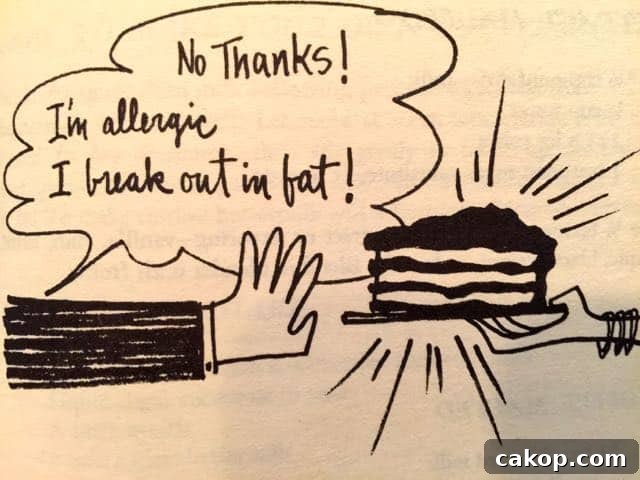
12. Do not eat or drink the following except when used in approved recipes from the book:
- alcoholic beverages
- avocado
- bacon or back fat
- bagels
- biscuits
- cake
- candy
- cereals
- coconut
- cookies
- crackers
- cream cheese
- doughnuts
- fried foods
- gefilte fish
- gravy
- honey
- ice cream
- ices
- jam
- jello
- jelly
- ketchup
- mayonnaise
- muffins
- nuts
- oil
- olives
- pancakes
- peanut butter
- pies
- popcorn
- potato chips
- pretzels
- puddings
- rolls
- salad dressings (except those in the book)
- smoked meat or fish
- soda, ginger ale, cola drinks
- sugar and syrups
- waffles
- yogurt
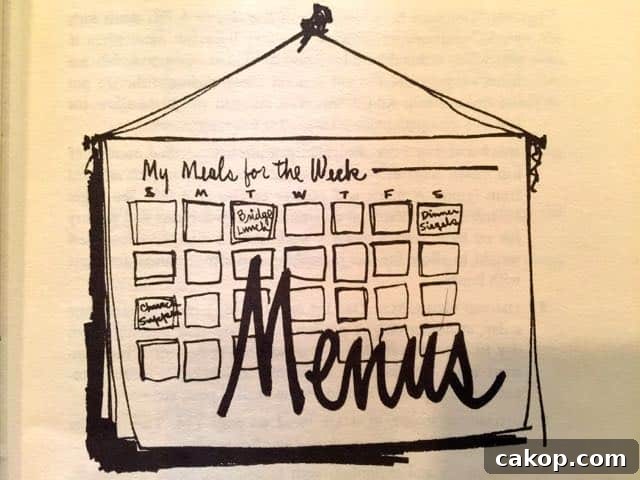
Old Weight Watchers menu plan for women (circa 1960s)
Breakfast: 1 egg or 1 ounce hard cheese or 2 ounces fish or 1/4 cup cottage cheese; 1 slice enriched bread.
Lunch: 4 ounces fish, lean meat or poultry; or 2/3 cup cottage cheese; or 4 ounces farmer cheese; or 2 ounces hard cheese; or 2 eggs. Unlimited vegetables and 1 slice enriched bread.
Dinner: 6 ounces cooked lean meat, fish, or poultry; one portion limited vegetables; unlimited other vegetables.
Daily requirements: A total of three fruits (one must be an orange or grapefruit) and 2 cups skim milk or buttermilk (or equivalent evaporated skim milk).
May be taken anytime: Allowed unlimited vegetables and beverages as specified.
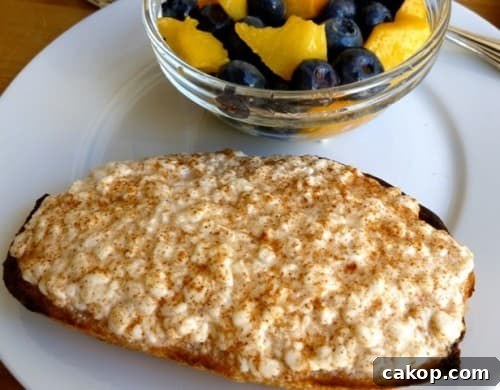
1960s Weight Watchers plan: sample menu suggestions
Sample breakfasts:
- Half cantaloupe, eggs sunny-side up on toast
- Pineapple quarter, two ounces tuna on toast
- Cottage cheese (2 ounces), fresh grapefruit sections on a lettuce bed, toast
- Fresh fruit cup (1/2 cup), scrambled egg, toast
- Broiled half grapefruit, salmon (2 ounces), toast
- Fresh orange juice, melted cheese (1 ounce) on toast
- Half grapefruit, Weight Watchers-style French toast
Sample lunches:
- Bean-sprout soup, shrimp (4 ounces), toast
- Tuna, mixed lettuce with radishes, celery and string beans, WW dressing, toast
- Tomato juice, broiled salmon (4 ounces), cucumber sauce, lettuce, toast
- Fresh fruit salad, cottage cheese (3 ounces), toast
- Broiled hamburger, one slice toast, relish
- Melted open cheese sandwich on one slice toast, fruit
- Two eggs on toast, fruit
Sample dinners:
- Swordfish Diablo, Chinese vegetables, mushrooms, lemon gelatin
- Tomato bouillon, butterfly shrimp scampi, tossed salad, eggplant
- Curried cream of kale soup, broiled trout, carrots, broiled mushrooms, stewed fruit (1/2 cup)
- Braised beef roll-ups, cucumber salad, basil dressing, strawberry ice
- Beef ragout with mushrooms, ginger melon mold
- Frankfurter casserole Creole, cole slaw
- Escarole soup, chicken cacciatore, herbed zucchini, maple bavarian cream

Helpful hints while dieting
Many of the following tips remain practical and timeless:
1. Do not count calories.
A calorie from cake is not equivalent to a nutritious meal—focus on balanced choices.
2. Weigh your food carefully.
Weighing helps you see realistic portion sizes and avoid underestimating servings.
3. Carry a “before” picture.
Keep a visual reminder of your goals with you to reinforce motivation.
4. Weigh yourself once a week.
Weekly measurements reduce the impact of daily fluctuations—use the same scale and conditions each time.
5. Use the “free” foods.
Rely on unlimited vegetables and approved items to prevent hunger.
6. Practice new eating habits everywhere.
The program can be followed in restaurants and on the road with planning and determination.
7. Avoid enabling advice.
Don’t let well-meaning friends or envious acquaintances encourage deviations from your plan.
8. Be honest with yourself.
Discipline and truthfulness are key to lasting success.
9. Think before you eat.
Pause, count to ten, and remind yourself of your reasons for losing weight.
10. Be patient.
Do you have memories or recipes from the old Weight Watchers program? Did you find success with the 1960s plan? I’d love to hear about your experience.
Source: Weight Watchers Cookbook (1967)
Watch Martha tell her own Weight Watchers story
Martha McKinnon’s Weight Watchers success story: Parts 1, 2 and 3
More helpful articles for WeightWatchers
- A Comprehensive Guide to the WeightWatchers Program
- Why the Weight Watchers Food Exchanges Program felt different from later points systems
- The Weight Watchers 360 Program
- Weight Watchers Celebrates 50 Years
- Weight Watchers Cottage Cheese Danish Recipe
- Vintage Weight Watchers Coffee Fluff Recipe