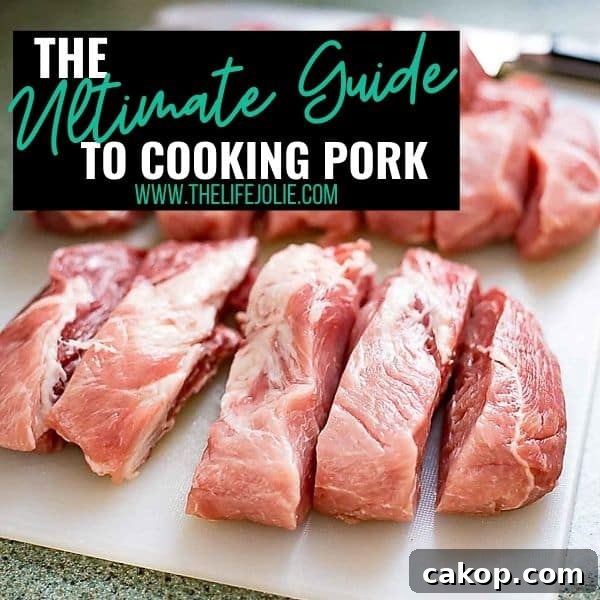
Whether you’re preparing a simple weeknight meal or hosting a holiday gathering, pork is a flavorful, budget-friendly choice. This guide explains common pork cuts, how to choose them, and the best ways to cook them.
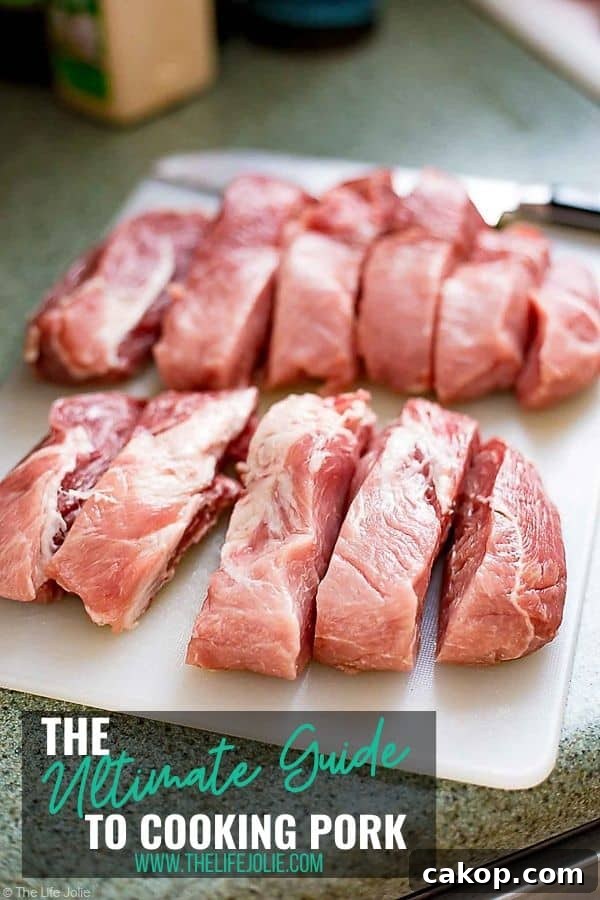
This post reflects my experience visiting pork farms and learning from industry professionals. Opinions are my own.
In October I toured operations with the National Pork Board to learn how pork moves from farm to table. I prioritize visiting agricultural operations because understanding where our food comes from builds trust and confidence. Below I summarize what I observed and learned about choosing and cooking pork.

Pig farming: what really happens
Our first stop was Borgic Farms Inc., a third-generation family operation. They care for thousands of sows and work with a network of family farms to raise pigs from weaning to market. Biosecurity is strict: everyone showers in and out and wears farm-provided clothing to reduce the risk of transmitting germs to the animals. Those measures, along with ongoing education and certification programs like Pork Quality Assurance (PQA), help ensure animal health and product quality.
During the tour we visited gestation areas, farrowing rooms where piglets are born, and nursery facilities where piglets are raised before moving on for finishing. The team emphasized transparency and encouraged questions; the animals appeared calm and well cared for. At one partner finishing farm we learned about sustainability practices, including using manure as natural fertilizer for crops that then feed the animals—an approach that reduces waste and supports a smaller carbon footprint.


Choosing pork cuts
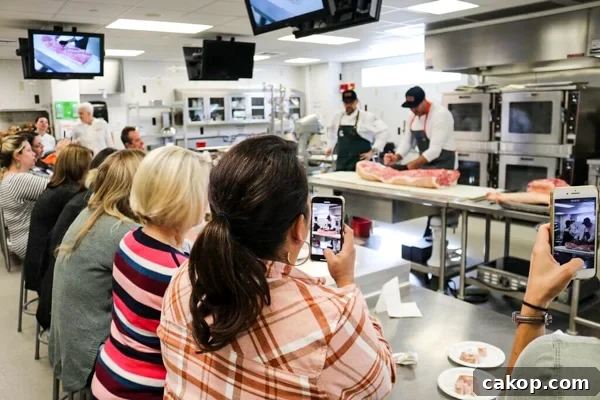
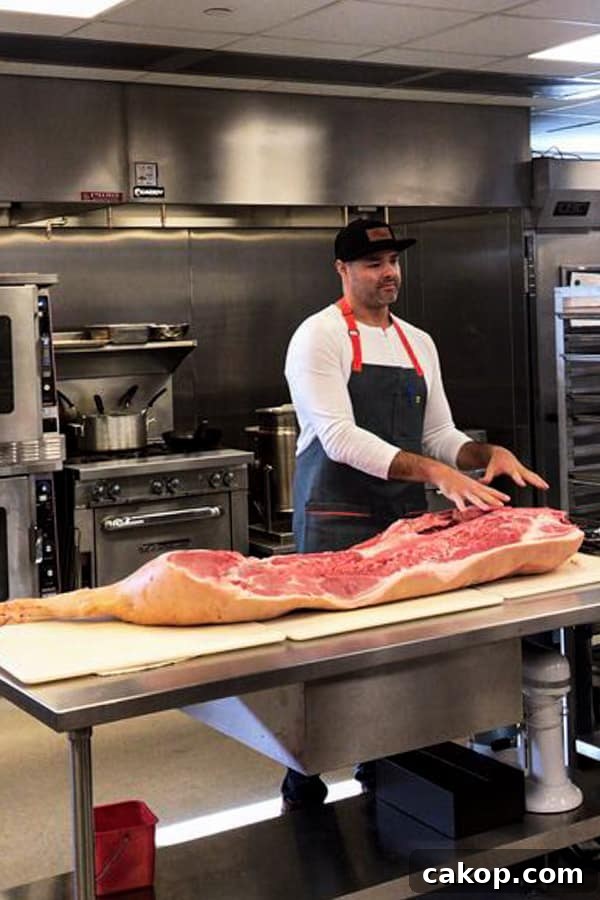
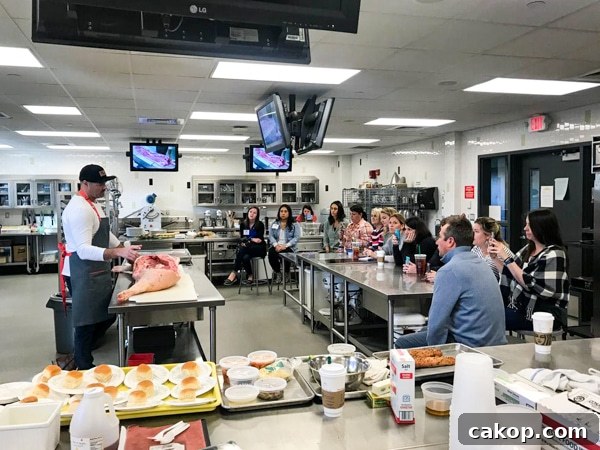
On the second day, chefs demonstrated how to break down a hog and prepare a range of pork dishes. Here are practical tips for selecting quality pork at the store:
What to look for
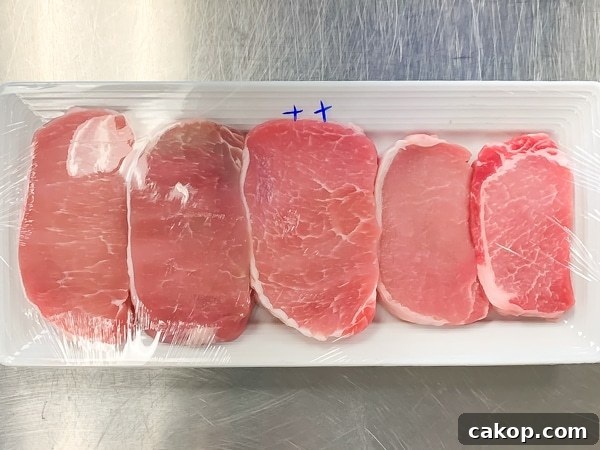
- Color: Look for natural color—moderate red indicates good water-holding capacity and juiciness. Avoid relying on bright case lighting, which can exaggerate redness.
- Texture: Press gently; fresh pork should spring back.
- Packaging liquid: Excess liquid in the package means juices have escaped and the meat will be less juicy.
- Marbling: Small streaks of fat improve flavor and tenderness.
Labels and practical notes
- “Solution enhanced” means the meat has been injected with a mixture (typically water, salt, and phosphate) to improve tenderness and juiciness.
- The USDA inspection stamp indicates the meat has been inspected for safety.
- The claim “no hormones” is marketing—hormones are not used in raising pigs in the U.S.
- Buying a whole pig can be cost-effective but requires space and a butcher to break it down.
Popular pork cuts and how to cook them
These are common cuts you’ll find at most grocery stores and basic cooking approaches for each.
- Pork chops
- Also called: New York chop (top loin), ribeye (rib chop), sirloin chop, porterhouse.
- Best for: Grilling, pan-searing, braising.
- Cook to: 145°F (63°C) and rest—sear to develop color, then finish to temperature for a juicy result.
- Pork roast
- Also called: Leg/fresh ham, blade (shoulder) roast, New York roast (top loin), sirloin roast, pork loin center roast, crown roast, rack of pork.
- Best for: Roasting, barbecuing, braising (shoulder).
- Cook to: 145°F for whole-muscle roasts with a rest, or low-and-slow for shoulder until fall-apart tender.
- Pork ribs
- Also called: Back ribs, spare ribs, country-style ribs, St. Louis–cut spare ribs.
- Best for: Slow roasting, barbecuing, braising.
- Cook to: Low and slow until tender.
- Pork tenderloin
- Also called: Tenderloin, loin cubes for kabobs.
- Best for: Roasting, grilling, broiling.
- Cook to: 145°F and rest for a tender, slightly pink center.
Safe internal temperatures and resting
The USDA recommends cooking whole-muscle pork cuts to an internal temperature of 145°F (63°C) followed by a 3-minute rest. A slight pink color in the center is normal and indicates a juicy, tender result. Ground pork should be cooked to 165°F (74°C).
Allowing meat to rest for at least three minutes after cooking enables carryover cooking and helps juices redistribute so they’re not lost when slicing. Tent the meat loosely with foil while resting.
Additional cooking tips
- Roast/bake: Usually around 350°F in a shallow pan, uncovered unless directed otherwise.
- Broil: Place meat 4–5 inches from heat, turning halfway through.
- Grill: Use direct, medium heat and flip once.
- Barbecue: Cook around 325°F over indirect heat for low-and-slow recipes.
- Sauté: Use a little oil over medium-high heat, turning once.
- Braise: Sear on all sides, add liquid to halfway up the meat, cover and simmer until tender.
- Stew: Simmer covered in liquid until tender.
- Portion planning: Plan about 4 oz per person for a pork chop and 6–8 oz per person for a roast (more if bone-in).
- Marinating: From 30 minutes up to a couple of days—6–8 hours is a good middle ground. Discard used marinade that touched raw meat.
- Slicing: Slice across the grain for the most tender bites.
- Storage and thawing: Refrigerate or freeze promptly and label frozen items. Cooked pork should be refrigerated within two hours. Ground pork keeps 1–2 days in the fridge; whole cuts last longer. Defrost safely in the refrigerator, submerged cold water changed every 30 minutes, or cook directly from frozen with adjusted time.
- Food safety: Use separate cutting boards and utensils for raw meat, wash hands frequently, and consult your butcher for tips and custom cuts.
With a little practice you can prepare delicious, budget-friendly pork dishes that shine. Enjoy experimenting with different cuts and methods—roasting, grilling, braising, and slow-cooking all highlight pork’s versatility.
Some recipe ideas
- Pork stew
- Slow-cooker pulled pork
- Smothered pork chops
- Hawaiian-style grilled pork chops
- Greek pork tenderloin
- Drunken thin pork chops
I welcome your questions and comments—share your pork cooking successes and tips. Happy cooking!