My first brisket was a disaster. Since then I’ve smoked many and learned what works and what doesn’t. I know how disappointing it is to spend an entire day and a decent amount of money on a whole packer only to have it turn out dry or tough.
I’ve collected the tips and techniques that consistently produce tender, juicy brisket so you can skip the mistakes and get reliable results.
Choosing the right brisket.
A whole packer brisket typically weighs between 12 and 16 pounds. I prefer a 15-pound brisket with good marbling and a full, thick flat. A 15-pound packer usually loses 3–4 pounds after trimming, so that size gives you enough meat to work with while still being manageable.
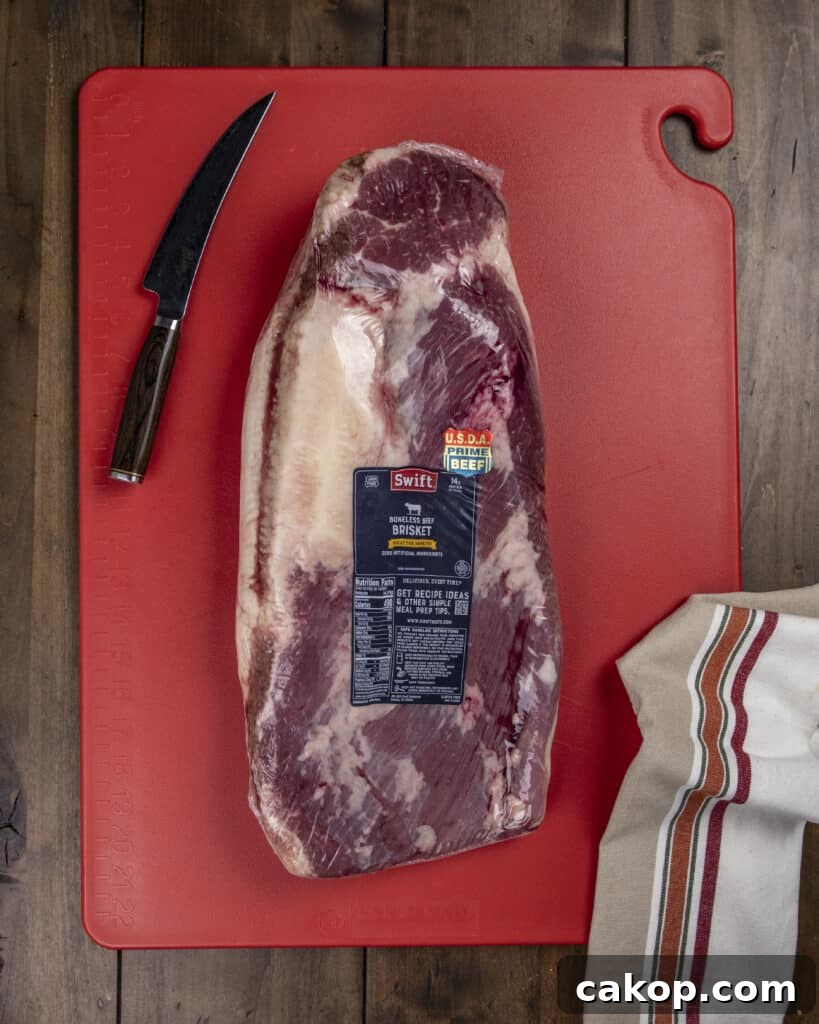
A thicker flat cooks more evenly and increases your chances of getting tender, juicy slices throughout the cut.
How to trim a brisket.
Trimming is important for three main reasons:
1. It helps smoke circulate evenly over the meat.
2. It removes hard fat that won’t render during the cook.
3. It exposes the meat so seasonings can penetrate.
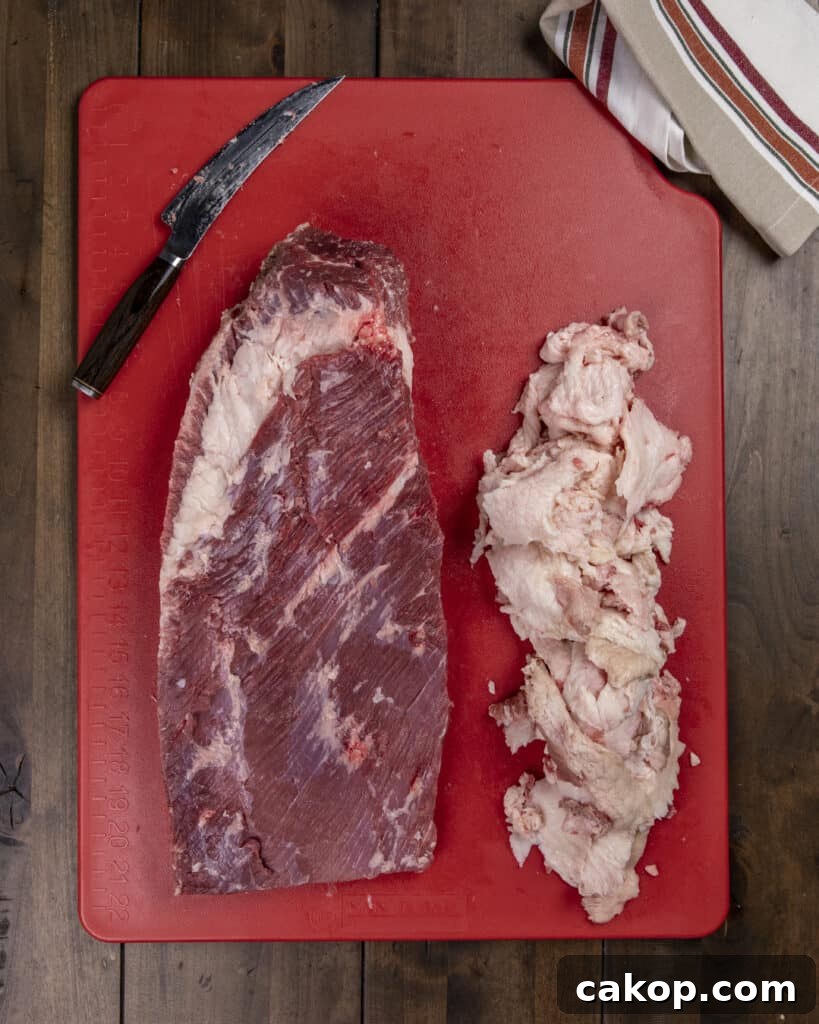
Trim most of the top fat, removing any thick, hard pockets that won’t render. Leave roughly a quarter inch of fat across the fat cap so the meat stays protected during the long smoke. Save trimmings to render into tallow if you like cooking with beef fat.
How long will it take to smoke a 15 pound brisket?
A common guideline is about one hour per pound at low-and-slow temperatures, but time alone isn’t a perfect gauge. Always use a reliable meat thermometer and check the brisket’s internal temperature and feel.
If you need a faster method, there are hot-and-fast approaches that shorten cook time, but they require different techniques to avoid toughening the meat.
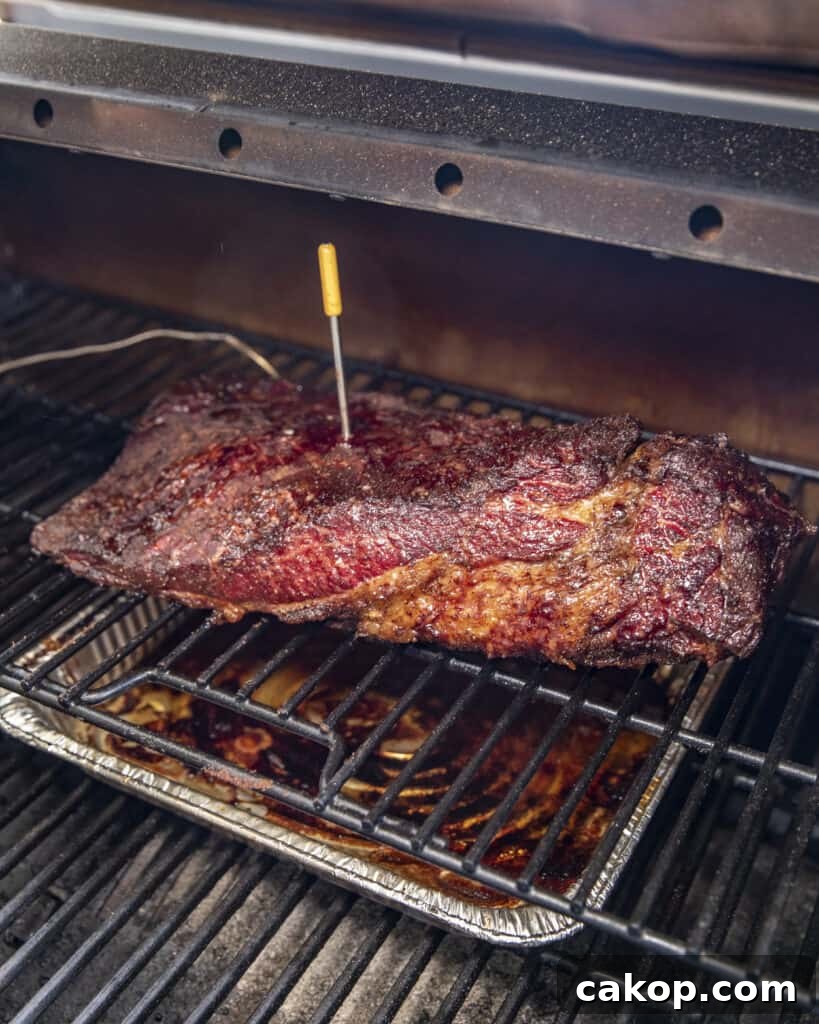
Your target for doneness is roughly 200°F in the thickest part of the flat. The probe should slide into the meat with very little resistance, almost like butter.
What type of wood should I use to smoke brisket?
Brisket can handle strong, savory woods. My favorites are hickory, oak, and pecan. Adding a touch of cherry or fruitwood can introduce a mild sweetness. Oak is a popular, versatile choice that pairs well with brisket.
Seasoning your brisket.
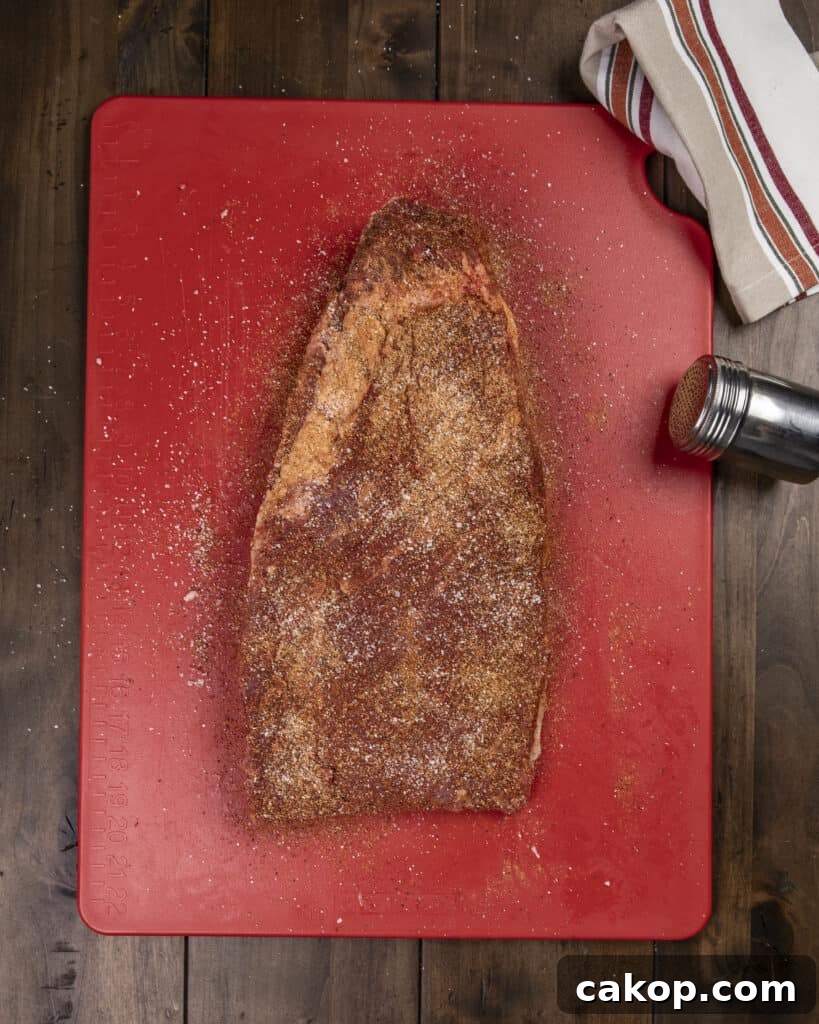
Use a rub with a solid balance of salt and black pepper. Brisket is large and can take a generous seasoning. Apply the rub to all sides; a binder like yellow mustard or olive oil can help it adhere.
A simple mix of kosher salt, coarse black pepper, garlic powder, onion powder and a touch of brown sugar works well. I often season the brisket the night before and refrigerate it uncovered or wrapped—this helps the salt penetrate and improves flavor and bark development.
What temperature should I smoke a brisket at?
Aim for 225–250°F for most briskets. This range lets collagen break down slowly while the meat absorbs smoke flavor. Cooking too hot can tighten connective tissue and produce a tougher result.
Butcher paper or aluminum foil?
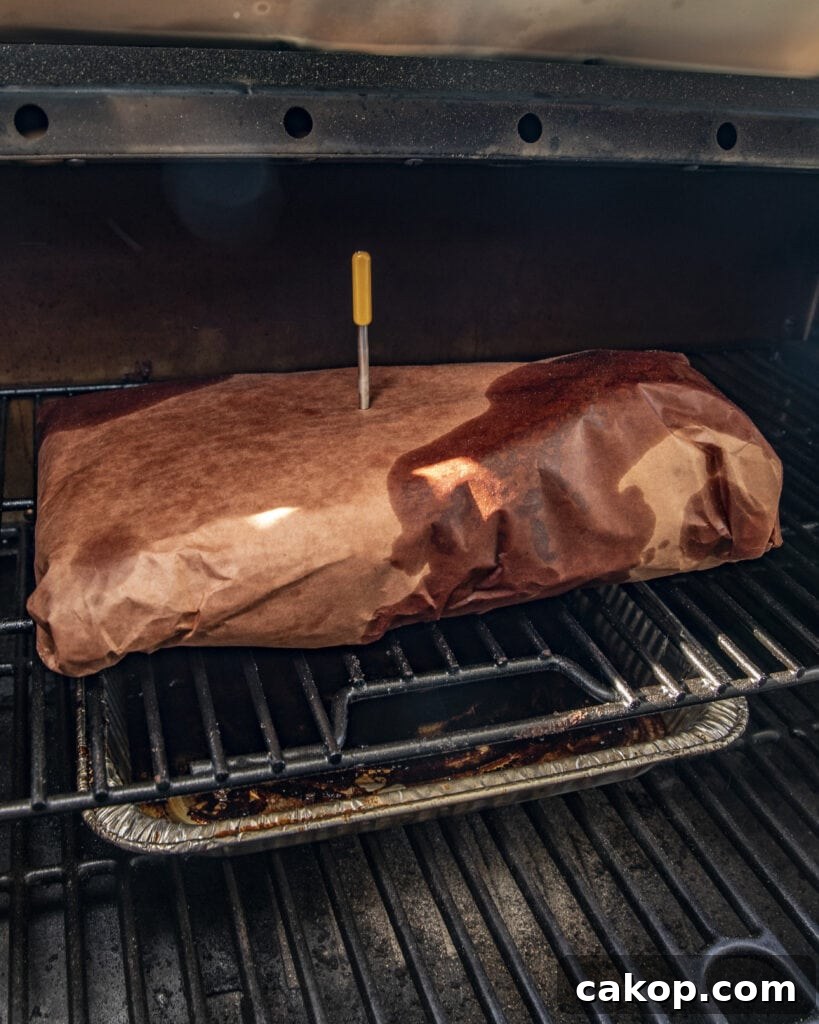
Wrapping in pink butcher paper lets the brisket continue to breathe while retaining moisture, preserving a better bark. Foil traps steam and can soften the bark, sometimes giving a pot-roast-like texture. Foil does speed up the finish, so choose based on whether bark or cook time is your priority.
Why resting brisket matters.
Resting is essential. I recommend at least one hour and up to six hours if you can. Rest allows juices to redistribute and the meat to relax, improving texture and sliceability.
My method: after the cook I let the brisket cool for 10 minutes, then wrap it in the butcher paper and an old towel, place it in a cooler with the lid closed, and let it rest. It stays warm and benefits from the extended resting period.
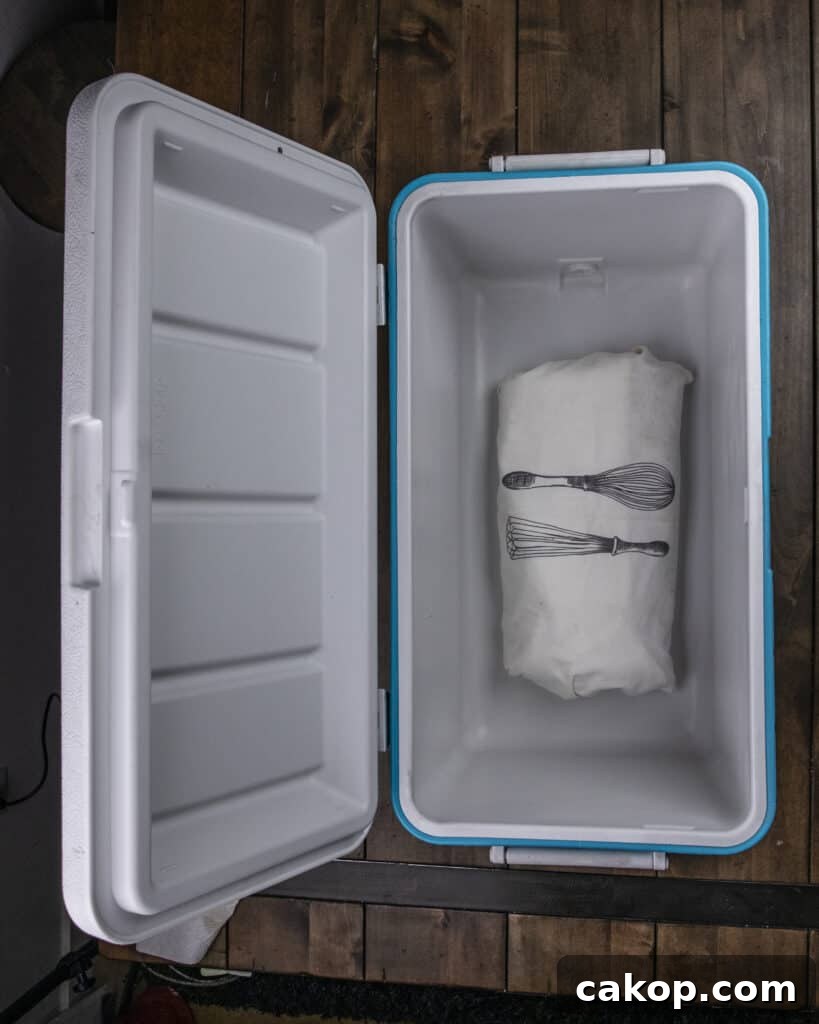
Smoking a 15 pound brisket.
Remove the packer from its packaging and trim the silver skin and excess fat from the top, leaving about a quarter inch of fat on the fat cap. Round any sharp edges to promote even cooking.
Season generously—either with your favorite beef rub or a simple mix of kosher salt, coarse black pepper and granulated garlic. Use a binder if desired and cover the meat thoroughly. If seasoning overnight, wrap and refrigerate; otherwise let the rub sit as long as possible before smoking.
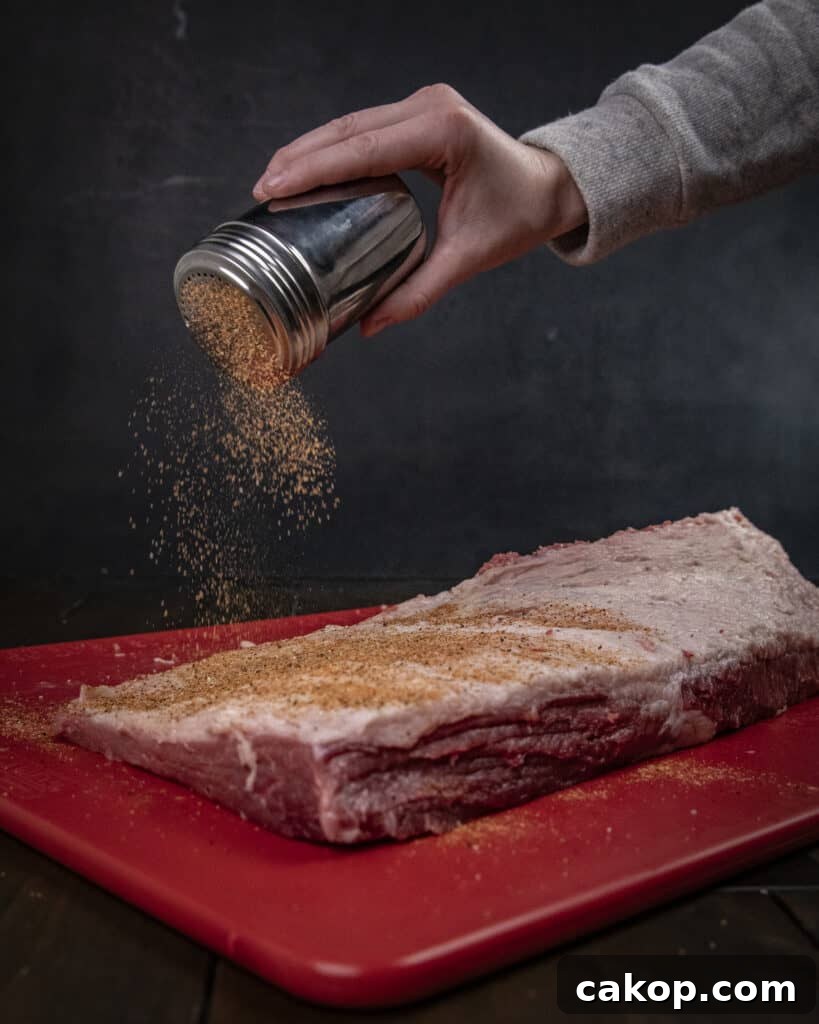
Set your smoker to 225–250°F. Place the brisket fat side down for the first 3–4 hours and avoid opening the lid during that initial period. After four hours begin spritzing with water every 45–60 minutes if the surface looks dry.
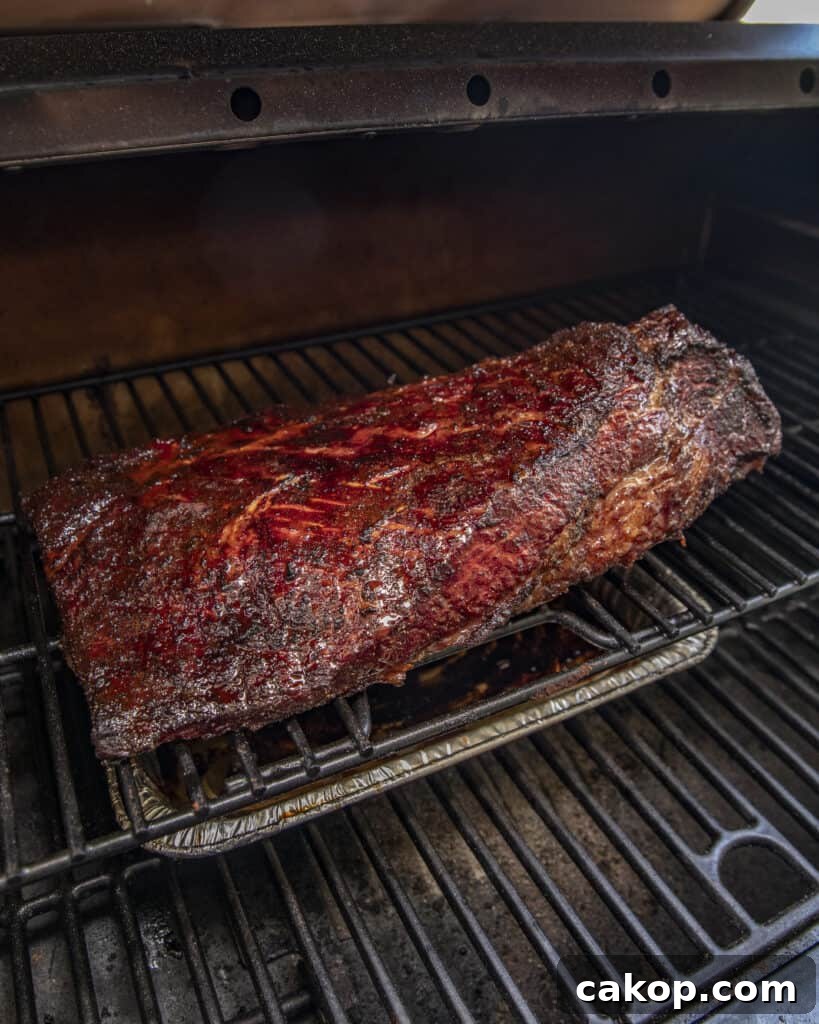
When the internal temperature hits about 165°F and the bark has set, wrap tightly in butcher paper. Many pitmasters wait until 175–180°F to ensure a firm bark before wrapping. Return the wrapped brisket to the smoker to finish cooking.
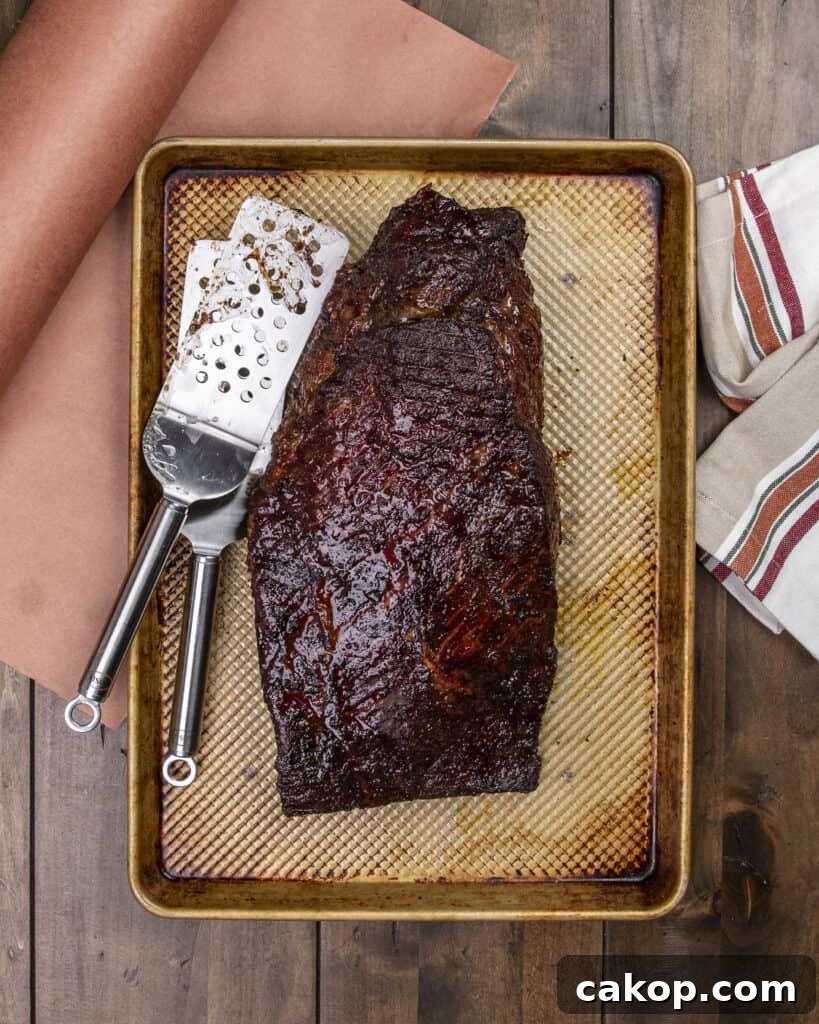
When the thickest part of the flat reaches about 200°F and the probe glides in with little resistance, remove the brisket and let it cool for 10 minutes. Then wrap it in a towel while still in the butcher paper and place it in a cooler to rest for at least an hour, preferably two to three.
How to slice a brisket
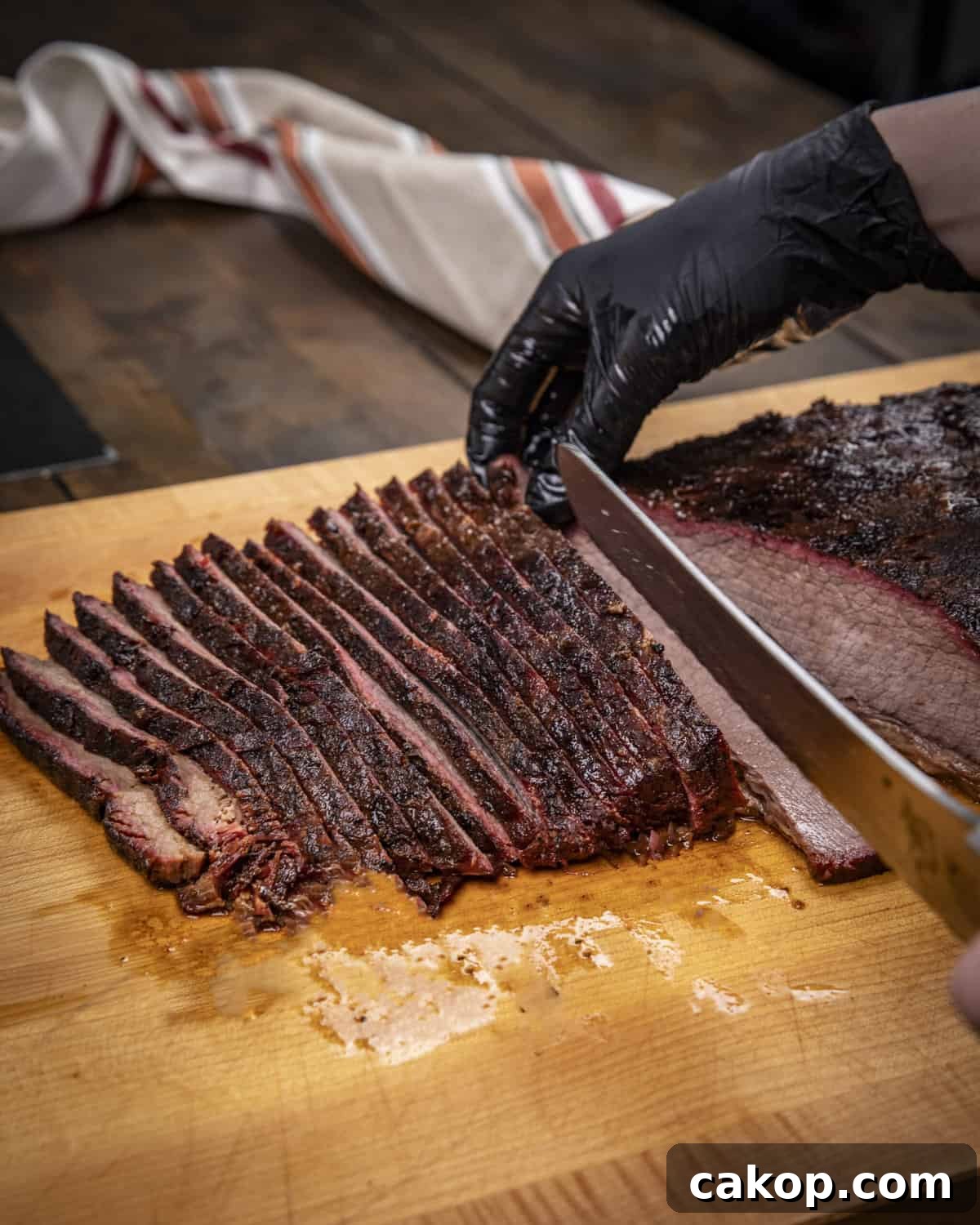
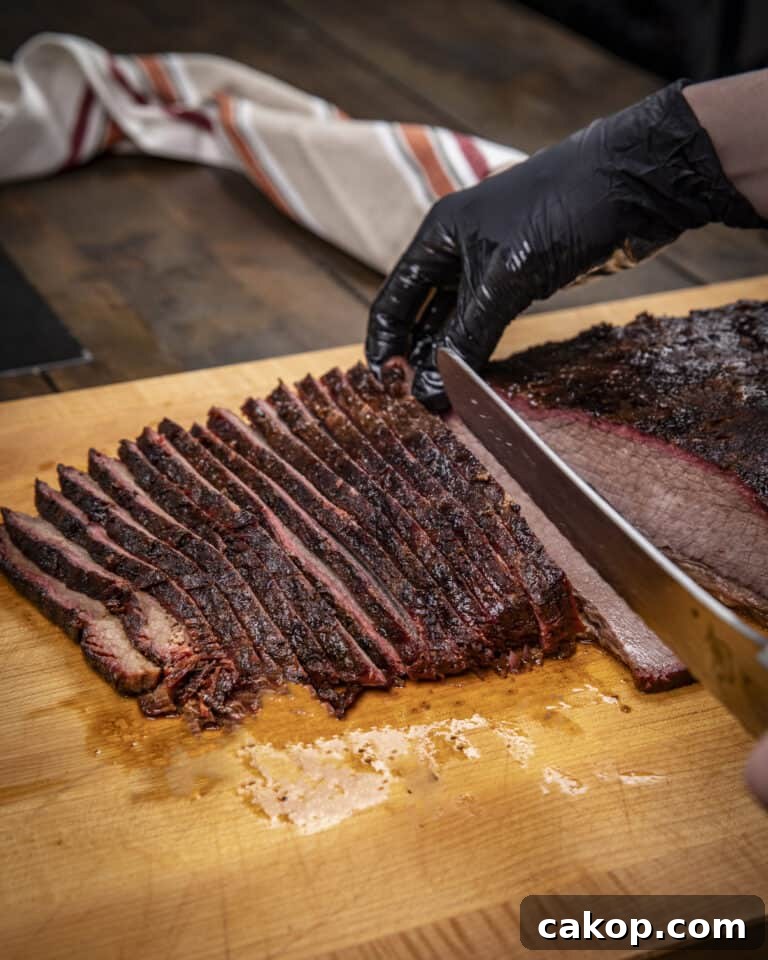
Slice the flat against the grain in uniform slices until you reach the point. Rotate the point 90 degrees and continue slicing. Aim for flat slices about the width of a #2 pencil; slices from the point can be slightly thicker.
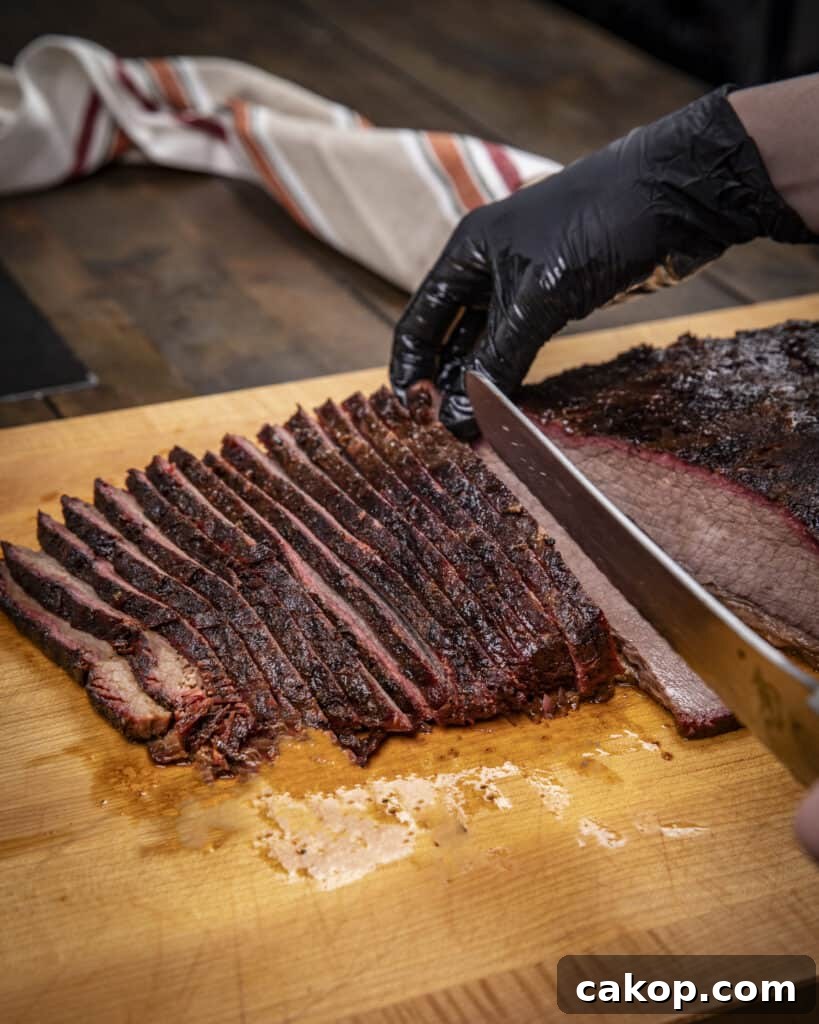
How do you know if you’ve made a good brisket?
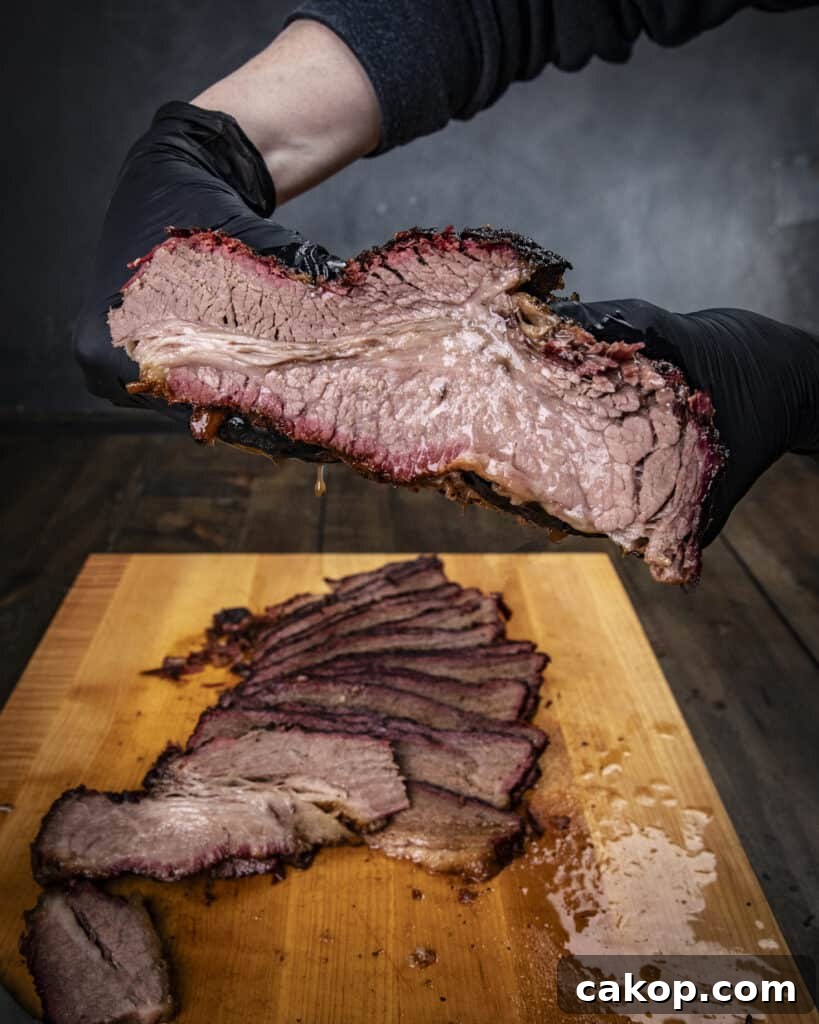
The bend test: Does the brisket bend easily when held over your finger or a knife?
The hang test: Does the brisket hold together under its own weight, or does it fall apart?
The pull-apart test: Can you pull pieces apart easily without excessive stretching or tearing?
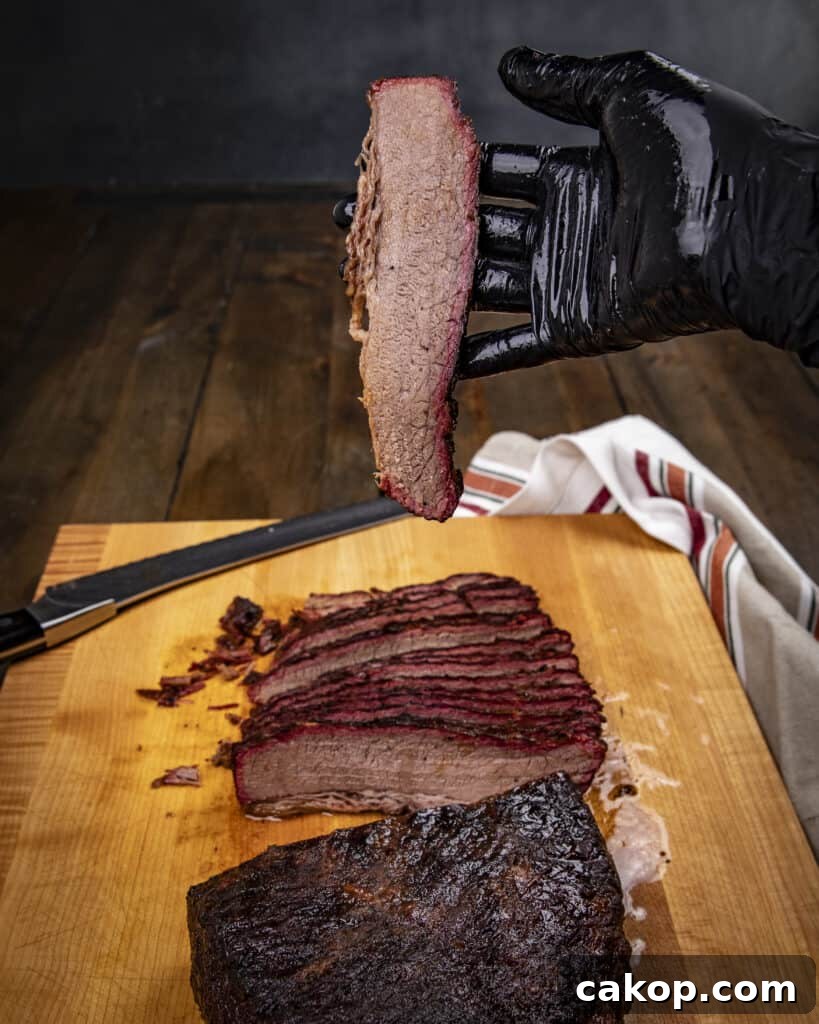
What to do with leftover brisket?
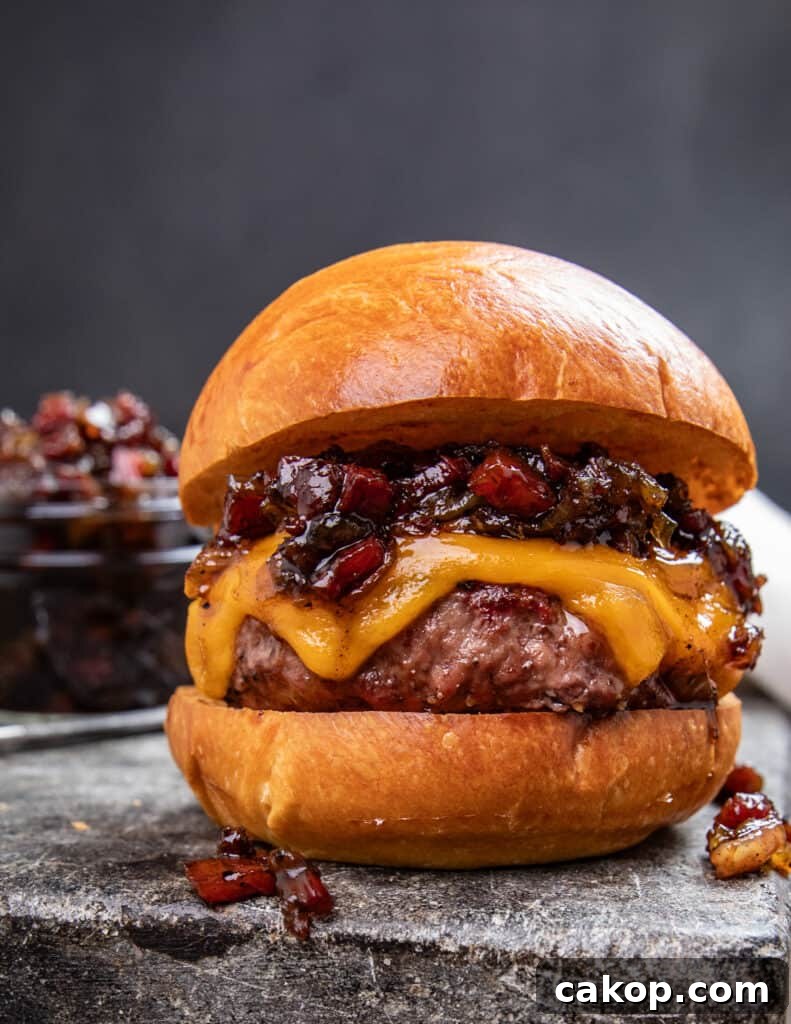
Leftovers are versatile: brisket sliders, brisket chili, grilled cheese with chopped brisket, or brisket jam as a burger topper are all excellent choices. Brisket freezes well—vacuum-sealed pieces can be stored up to six months.
What sides go with brisket?
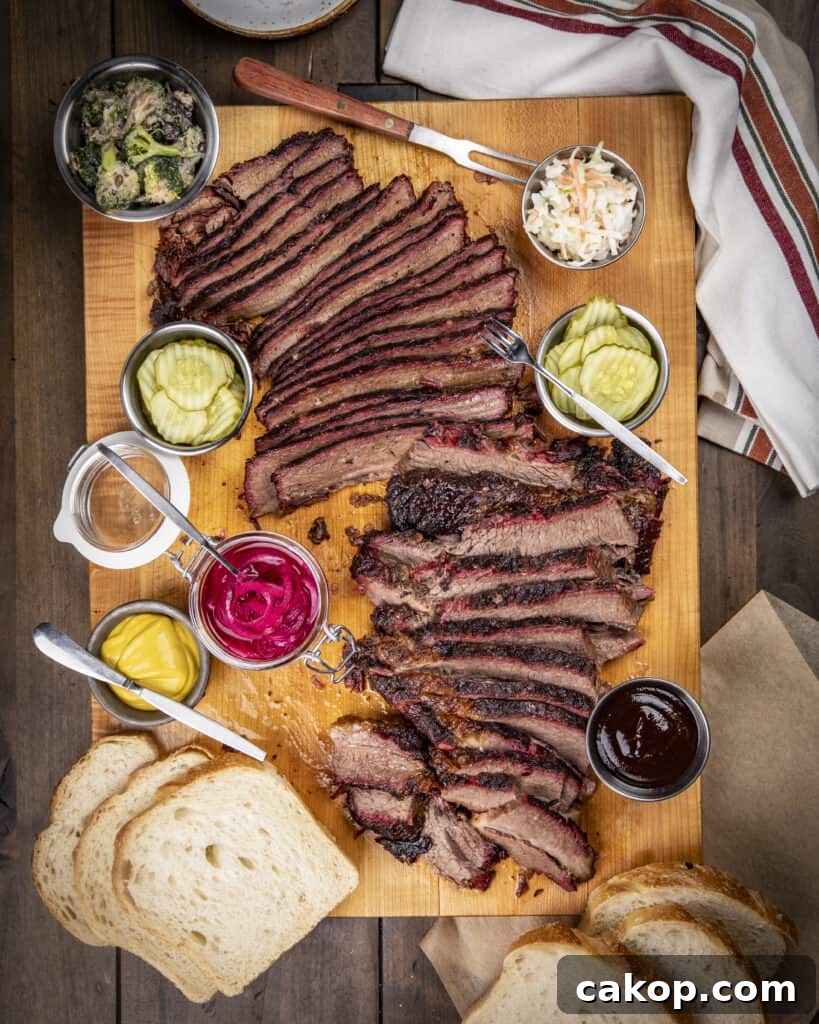
Classic pairings include loaded baked beans, pickled red onions and easy homemade coleslaw—simple sides that complement the rich, smoky meat.
How to smoke a 15 pound brisket (A step by step guide)
5 from 5 reviews
There is nothing better than slicing into a brisket you’ve been smoking for hours and being rewarded with tender, juicy barbecue. If you’re going to spend an entire day cooking, make it count.
- Total Time: 16 hours
- Yield: 10
Ingredients
- 15 pound whole packer brisket
- 4 tablespoons beef seasoning or homemade beef rub
- 2 tablespoons yellow mustard or olive oil (optional binder)
Instructions
- Trim the brisket: remove silver skin and excess fat from the top. Leave about a quarter inch of fat on the fat cap and remove any hard fat that won’t render. Round any sharp edges for even cooking.
- If using a binder, apply it now. Season the brisket generously with your beef rub, covering all sides.
- Smoke the brisket fat side down at 225–250°F. Do not open the smoker lid for the first four hours. After that, spritz with water whenever the surface looks dry, about every 45–60 minutes if needed.
- When the internal temperature reaches at least 165°F in the thickest part of the flat and the bark is set, wrap the brisket tightly in butcher paper (or foil if preferred).
- Return the wrapped brisket to the smoker, fat side down, to finish cooking.
- When the brisket reaches about 200°F in the thickest part of the flat, remove it from the smoker and let it cool for 10 minutes.
- Wrap the brisket in a towel while still in the butcher paper, place it in a cooler with the lid closed, and rest for at least 1 hour and up to 6 hours.
- Slice the flat against the grain. When you reach the point, rotate it 90 degrees and finish slicing.
- Author: Jordan Hanger
- Prep Time: 1 hour
- Cook Time: 15 hours
- Category: Main
- Method: Smoking
- Cuisine: BBQ