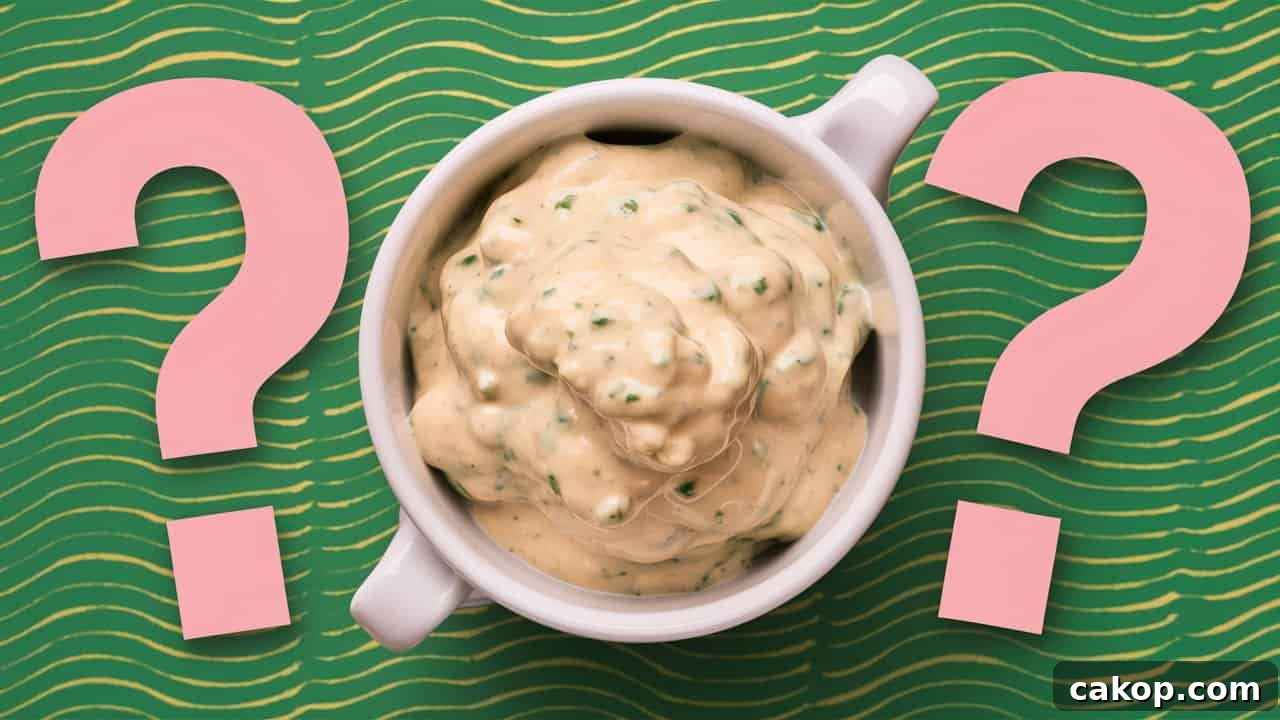
Dipping sauces bring extra moisture and concentrated flavor that elevate simple dishes, turning ordinary bites into something more exciting. They enhance everything from fries to sandwiches, making meals more enjoyable.
One standout is remoulade, a mayonnaise-based condiment with roots in French and Creole cuisines. This tangy, herb-forward sauce adds bold flavor without overpowering the main dish.
Remoulade is highly versatile — excellent for dipping, spreading, or drizzling over a wide range of foods.
Table of Contents
What is Remoulade Sauce?
Remoulade is a zesty, creamy sauce built on a mayonnaise base, typically brightened with mustard, lemon, and fresh herbs. Though it originated in France, remoulade has been adapted around the world, with regional variations that reflect local tastes.
It’s prized for its creamy texture and tangy profile, which pairs exceptionally well with seafood and fried foods. While it can be confused with tartar sauce or hollandaise, remoulade distinguishes itself through a pronounced herbal and savory character rather than heavy butter or dominant pickles.
Use it as a dip, spread, or finishing sauce whenever you want to add a lively, flavorful boost to a dish.
Key Ingredients in Remoulade Sauce
The core of remoulade is mayonnaise. Around that base, common additions include Dijon or yellow mustard, lemon juice or vinegar, and aromatics like minced garlic or shallot. Herbs such as parsley, chives, or tarragon bring freshness.
For contrast and texture, recipes often include chopped pickles or cornichons, capers, and a dusting of paprika. Some regional versions add horseradish, anchovy paste, or hot sauce for heat and umami. In Louisiana and Creole styles, bolder spices and cayenne pepper create a spicier, more assertive sauce.
Because remoulade is flexible, you can tailor ingredients to suit your taste or the dish you’re serving it with.
How to Make Remoulade Sauce?
Making remoulade at home is quick and forgiving. A straightforward version mixes one cup of mayonnaise with two tablespoons of Dijon mustard and one tablespoon of lemon juice. Add a teaspoon of minced garlic, a teaspoon of chopped pickles or capers if desired, and season with paprika, salt, and a pinch of cayenne.
Stir until smooth, then refrigerate for at least 30 minutes to let the flavors meld — chilling significantly improves the taste. Before serving, taste and adjust acidity, salt, or heat to preference. You can customize further with fresh herbs like parsley or dill, or add horseradish for a sharper bite.
How to Pronounce Remoulade?
Remoulade is pronounced reh-moo-LAHD (IPA: /ˌrɛm.uˈlɑːd/), with the emphasis on the final syllable. The French origin places the stress toward the end, so aim for a clear “LAHD” at the finish.
How to Use and Serve Remoulade Sauce?
Remoulade is classically paired with seafood — think fried shrimp, crab cakes, oysters, and the iconic shrimp or oyster po’ boy sandwiches of Louisiana. Its tang and spice cut through rich, fried textures and add a lively contrast to seafood’s natural sweetness.
It also brightens sandwiches (turkey, roast beef, or cold cuts), complements grilled meats and hot dogs, and makes a flavorful dip for fries, crudités, and fried snacks. Try stirring a spoonful into potato or pasta salad for a creamy, tangy twist, or use it as a spread in wraps and sliders.
Because it’s so adaptable, remoulade works equally well as an everyday condiment or a finishing touch for special meals — a little goes a long way to lift the flavor of many dishes.