There should be little doubt that Britain has a weight problem.
Current estimates put obesity at about a quarter of the population.
That’s a lot of people carrying excess weight.
The traditional British diet, often high in saturated fats and refined carbohydrates, combined with increasingly sedentary lifestyles, appears to be a major factor.
But what about solutions?
For decades, the Mediterranean diet—olive oil, fish and vegetables—has been promoted as a healthy model. More recently, researchers and chefs have turned their attention to the Nordic approach, which offers a different but complementary set of principles.
The Nordic diet shares many core ideas with the Mediterranean pattern but adapts them to northern climates: rapeseed oil instead of olive oil, brassica vegetables instead of Mediterranean greens, and berries in place of citrus fruits.
The University of Copenhagen has supported research into regional Scandinavian foods to identify a balanced, nutritious set of ingredients that could stand alongside the Mediterranean canon in terms of health and flavor.
The principles of a Nordic diet are straightforward and focus on whole, seasonal foods:
- Eat more fish.
- Eat less red meat; when you do, choose lean game such as venison.
- Brassicas—cabbage family vegetables—are highly nutritious, rich in vitamins and antioxidants, and can taste excellent when prepared well.
- Include vegetarian meals a couple of times a week.
- Reduce intake of saturated fats.
These guidelines are sensible and practical. But do they deliver on taste?
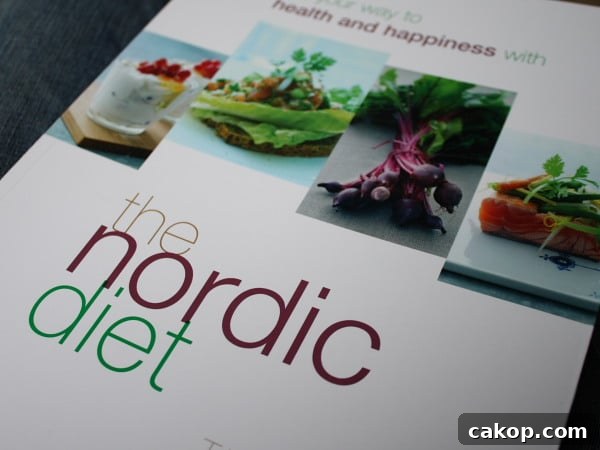
Trina Hahnemann’s Scandinavian Cookbook was well received, and her follow-up, The Nordic Diet, presents Scandinavian recipes framed as a modern diet book. Her cooking emphasizes simple, bright flavors and accessible ingredients adapted for a wider audience.
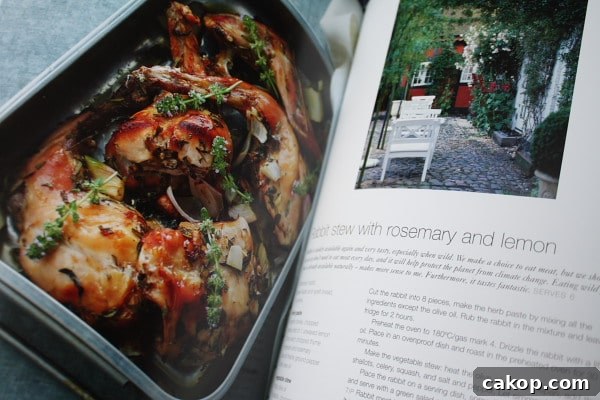
Hahnemann’s recipes are clean and straightforward: Danish smorrebrod—open rye sandwiches topped with herring or salmon, egg, tomato and chervil—dressed with sharp vinegar-based sauces; a vivid beetroot salad bound with low-fat yoghurt and paired with a fillet of pollack cured with salt and lemon zest.
Crisp, bold flavors define many dishes.
A kale and chicken salad might not convert every sceptic to loving kale, but the idea of roasting a wild boar leg with garlic, rosemary, thyme and red wine, served alongside roasted Jerusalem artichokes, carrots and potatoes with a lingonberry compote, shows how Nordic cooking balances rustic robustness with bright, tart accompaniments.
Local markets may not always supply wild boar, but they do offer plenty of kale and other seasonal produce.
Any diet that promotes cabbage and Brussels sprouts faces an uphill battle with perception, yet the benefits of the Nordic approach are clear. Beyond the usual advice about enjoying meals with family and sitting at the table rather than in front of the TV, Hahnemann’s book stresses balance and care—selecting good ingredients, taking time to prepare them and appreciating the meal.
The core message is modest but important: pay attention to what you eat, how it’s prepared and how you enjoy it.
One or two modern experiments—like a rye bread pizza—may not win everyone over. For some dishes, traditional approaches from other cuisines remain unrivalled. But overall, the Nordic diet offers a practical, flavorful framework for healthier eating suited to northern climates and seasonal produce.