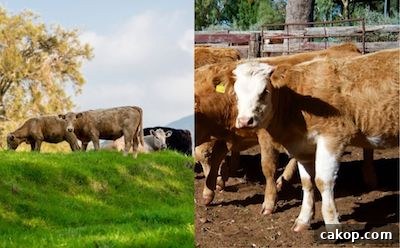
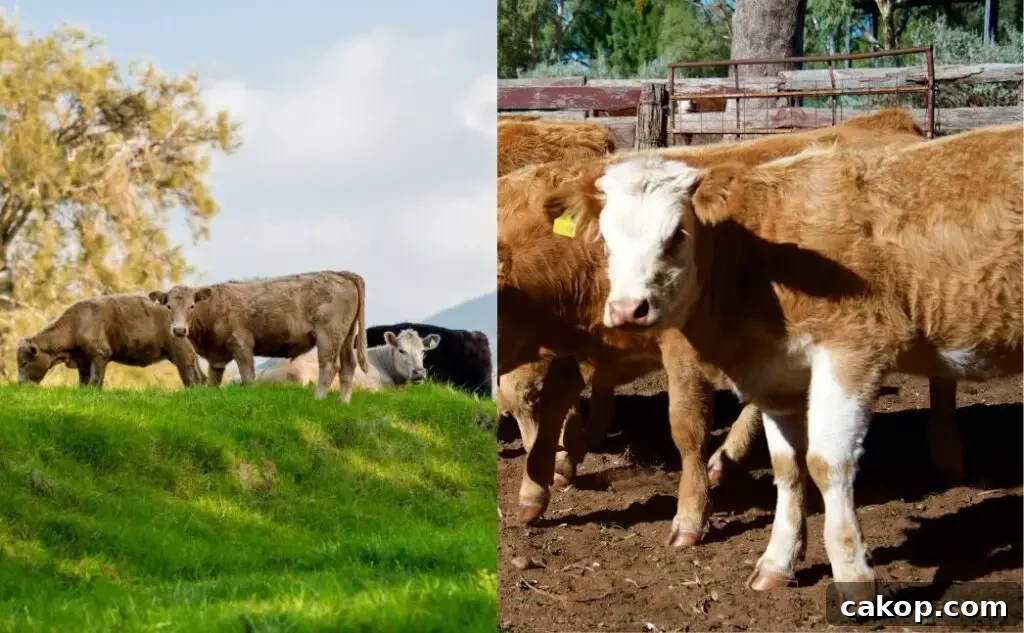
Shopping for beef today can be confusing. Labels like “grass-fed” and “grain-fed” describe very different feeding practices, and those differences show up in brisket through fat content, color, size, and flavor. This article explains the practical distinctions between grass-fed and grain-fed brisket, the advantages and drawbacks of each, and offers tips for choosing and smoking brisket so you get the results you want.
Key Points
- Grass-fed and grain-fed brisket differ in fat content, fat color, size, and taste.
- Grass-fed brisket is typically leaner, darker in color, and smaller; grain-fed brisket has more marbling, lighter meat color, and larger cuts.
- Many grain-fed cattle eat grass early in life, then receive grain to bulk up before slaughter; grass-fed cattle consume only grass.
- Grass-fed fat tends to have a richer, beefier flavor and may be perceived as more ethical by some; grain-fed offers softer fat flavor and more marbling for juiciness.
- In the U.S., grass-fed beef should be certified by the American Grassfed Association to be labeled accurately.
Grass-Fed Is Leaner
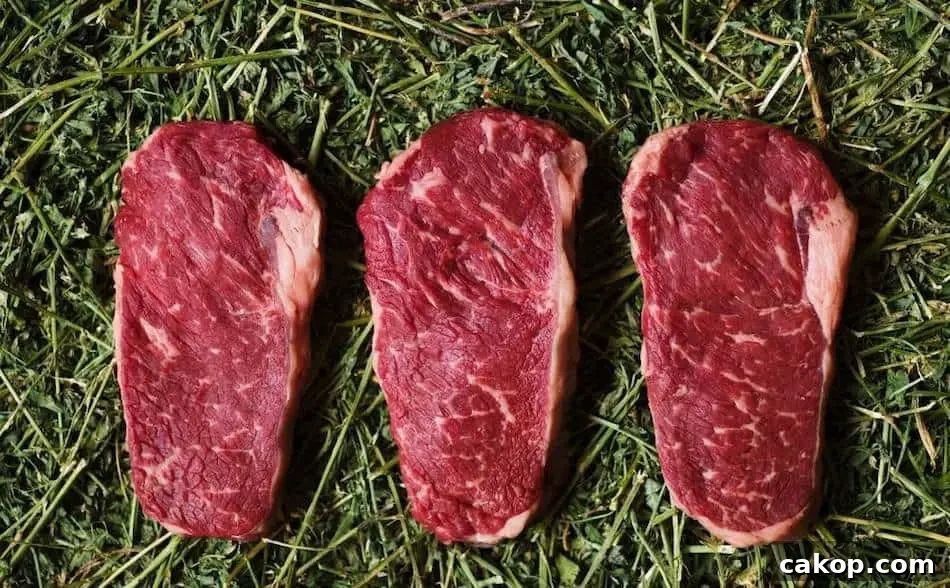
One of the clearest differences is fat and appearance. Grain-fed brisket usually shows more internal marbling and a thicker white fat cap. Grass-fed brisket tends to be leaner, with less marbling, darker red meat, and a yellowish fat color. Marbling adds flavor and helps retain moisture during long cooks, so grain-fed brisket often finishes juicier. Conversely, grass-fed brisket can be a healthier option for those watching total fat intake.
Grain-Fed Differences
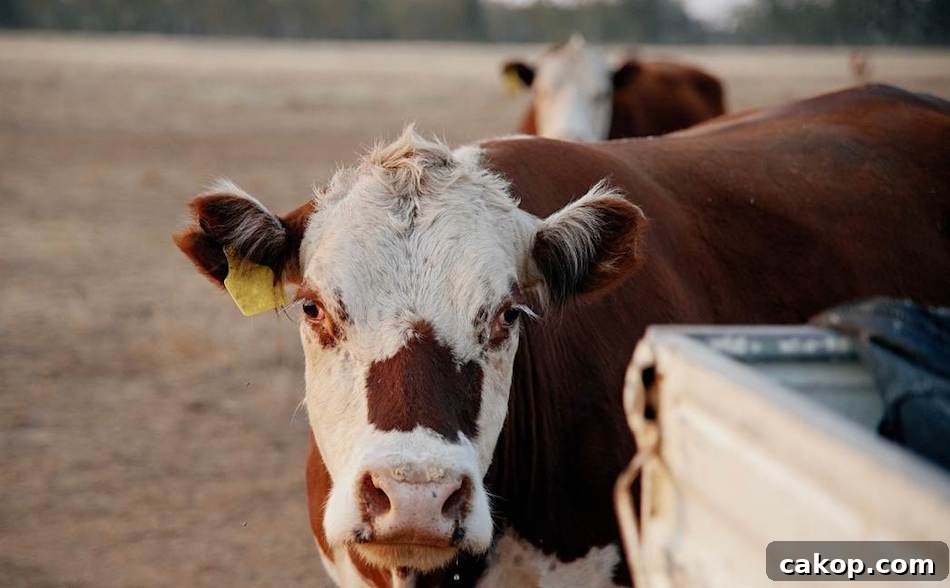
It’s a misconception that grain-fed cattle never eat grass. Many begin life grazing, then transition to grain to add weight before processing. This grain finishing, combined with reduced activity in some production systems, produces meat with more fat and a different texture and flavor than grass-fed beef. That said, grain-finished cattle can also be raised humanely on smaller farms with pasture access.
| Grass Fed Brisket | Grain Fed Brisket |
|---|---|
| Leaner | More marbling |
| Darker red color | Lighter color |
| Smaller | Larger |
| Often seen as more ethical | Often less expensive |
| Beefier fat flavor | Softer fat flavor |
| May be healthier nutritionally |
Grass-Fed Briskets Are Smaller
If you need to feed many people, grain-fed briskets usually provide larger portions. Grass-fed primal cuts tend to be smaller because grass-finished cattle generally put on less fat and bulk than those finished on grain. Farmers often increase grain in the final feeding period to bulk cattle up; that step doesn’t happen with strictly grass-fed animals.
Is Grass-Fed Beef More Ethical?
Many consumers choose grass-fed beef for perceived ethical and environmental benefits. Grass-fed beef often presents darker meat with less marbling and a yellowish fat tone, while grain-fed meat is usually a lighter red with whiter fat. Ethical differences depend on farm practices: both systems can be managed humanely or poorly, so it’s useful to ask producers about animal welfare and pasture access.
Differences in Meat Color
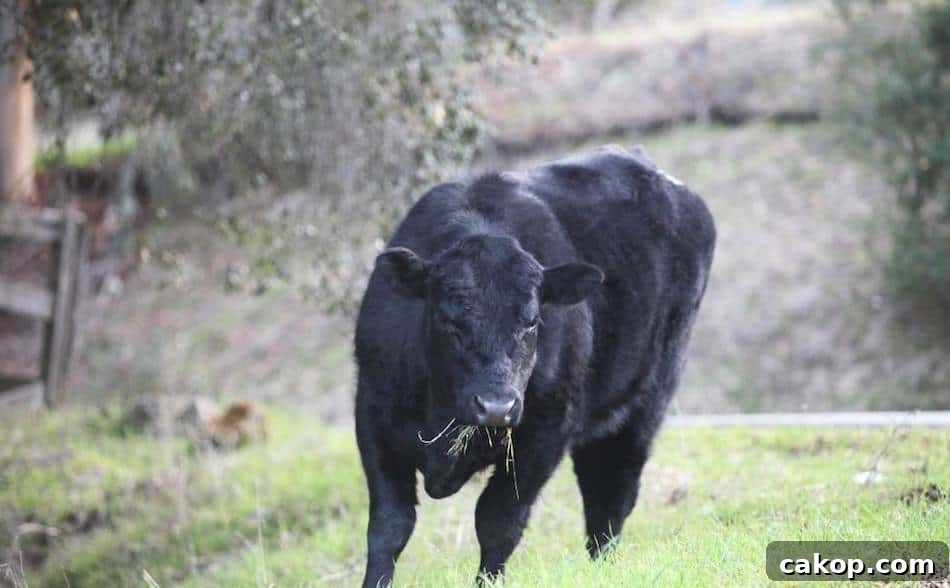
Both grain- and grass-fed cattle typically start life grazing and nursing. They are not “force fed” grain; instead, some farms supplement pasture with grain later in life. The choice of feed affects muscle pigmentation and fat color, which consumers notice when selecting cuts for smoking or roasting.
The Challenge With Grass-Fed Brisket
The main drawbacks of grass-fed brisket are reduced fat and size. Leaner cuts risk drying out during long, low-and-slow cooks, and the fat flavor can be richer or slightly gamier. Grain-fed brisket usually has a milder fat flavor and more marbling, which helps deliver consistent juiciness and tenderness.
Which Beef Has Better Marbling?
Grain-fed beef typically scores higher for marbling, which are the fat streaks that melt during cooking and enhance juiciness and flavor. Higher marbling usually means a higher grade and price. Wagyu and USDA Prime are well-known for exceptional marbling, while grass-fed cuts generally have much less intramuscular fat.
Grass-Fed Certification
To ensure you are buying true grass-fed beef in the United States, look for American Grassfed Association certification or similar validated labels elsewhere. Certification helps guarantee animals were finished on grass and met specified standards.
Nutritional Content
Grass-fed brisket generally contains more omega-3 fatty acids and conjugated linoleic acid (CLA) and tends to have lower total fat, saturated fat, and omega-6 levels compared with grain-fed beef. Grain-fed beef usually has more total fat and saturated fat but can have higher monounsaturated content depending on the diet. Both types provide protein and essential nutrients; the best choice depends on your dietary priorities.
| Nutrient | Grass Fed Beef | Grain Fed Beef |
|---|---|---|
| Omega-3s | More | Less |
| Omega-6s | Less | More |
| Total fat | Less | More |
| Saturated fat | Less | More |
| Monounsaturated fat | Varies | Varies |
| Polyunsaturated fat | Often more | Less |
| CLA | More | Less |
Is Grass-Fed Beef Organic and GMO Free?
Grass-fed does not automatically mean organic or pesticide-free. Pastures can be treated with chemicals unless the producer follows organic practices. Likewise, grain-fed beef is not inherently contaminated with hormones or antibiotics; responsible producers avoid non-therapeutic treatments. When these attributes matter, check for specific organic or antibiotic-free claims backed by certification.
Grass-Fed Health Benefits
100% grass-fed brisket tends to offer a more favorable fatty acid profile—higher omega-3s and CLA and lower total and saturated fat—making it attractive for those prioritizing certain health outcomes. A balanced diet benefits from a variety of fat types, and grass-fed beef can be a useful part of that balance.
Which Brisket Is Better?
Your choice depends on priorities. Choose grass-fed if you want leaner meat with a distinct, beefier fat flavor and potentially more favorable fatty acids. Choose grain-fed if you want larger cuts with abundant marbling that make long smoking sessions easier and consistently juicier results. Grass-fed brisket requires a few adjustments—lower smoker temps, wrapping, brining or injecting, and careful resting—to avoid dryness, but with proper technique it can be excellent.
Grain-Fed Brisket Is More Available
Grain-fed briskets are generally easier to find in stores and are often less expensive. Prime and other high-marbling grain-fed cuts are especially popular for long smokes because the extra fat helps maintain tenderness and flavor over extended cooks.
Benefits of Grain-Fed Brisket
- Usually larger with a thick white fat cap.
- More marbling and intramuscular fat, aiding juiciness and flavor.
- Fat protects meat during long smokes and prevents drying.
- Lean cuts dry out faster due to lower fat content.
- Large grain-fed packs take longer to smoke and can be harder to manage.
- Smaller grass-fed briskets cook faster and are easier to handle.
- When smoking a whole pack you cannot separate the point and flat until after the cook.
Grain-fed briskets are prized for their marbling and protective fat, which is especially helpful when smoking large pieces for many hours. Grass-fed briskets, being leaner, require careful technique but can produce a flavorful, more nutrient-dense result.
How to Smoke a Grass-Fed Brisket
Since grass-fed brisket often has less fat, follow these strategies to keep it moist and tender:
| Action | Description |
|---|---|
| Monitor the temperature | Hold a steady low temperature (around 225°F) to reduce moisture loss. |
| Use a thermometer | Use a reliable meat thermometer to monitor smoker and meat temps throughout the cook. |
| Wrap your brisket | Wrap in foil or butcher paper partway through the cook to preserve moisture. |
| Rest your brisket | Allow adequate rest to redistribute juices before slicing. |
| Brine your brisket | Salt the brisket the night before to help retain moisture and enhance flavor. |
| Don’t over-trim | Leave roughly 1/4″ of fat on the cap to shield the meat from heat. |
| Inject your brisket | Inject with marinade or bone broth for added moisture and flavor. |
| Use a water pan | Add humidity to the smoker with a water pan to slow moisture loss. |
7 Tips for Smoking a Grass-Fed Brisket
1. Monitor the temperature
Keep the smoker steady at about 225°F. Higher temperatures accelerate moisture loss and increase the risk of drying the meat.
2. Use a thermometer
A quality dual-probe thermometer helps track both smoker ambient temperature and internal meat temperature, which is especially useful with charcoal or wood smokers.
3. Wrap your brisket
Wrap in foil or butcher paper around 6–7 hours into a long cook to trap moisture and tenderize the meat.
4. Rest your brisket
Rest at least an hour after the cook to allow juices to redistribute; slicing too early causes moisture loss.
5. Brine your brisket
Salting the brisket the night before helps retain moisture. If using a salty rub, adjust or omit extra salt to avoid over-seasoning.
6. Don’t over-trim
Leave about 1/4″ of fat on the cap to protect the meat from heat and help maintain juiciness during a long smoke.
7. Inject your grass-fed brisket
Injecting marinade or bone broth distributes moisture and flavor into the interior of lean briskets, improving tenderness.
Brisket Planner
| Brisket Total Cook Time | Start Time | Begin Spritzing | Wrap Brisket | Finish in Oven | Done Time (203°F) | Holding Time In Dry Cooler |
| 12 hours | 6pm | 9pm | 12am | 12am | 6am | 1–4 hours |
| 15 hours | 5pm | 8pm | 11pm | 11pm | 8am | 1–4 hours |
| 18 hours | 2pm | 5pm | 8pm | 8pm | 8am | 1–4 hours |
Standard Barbecue Rub
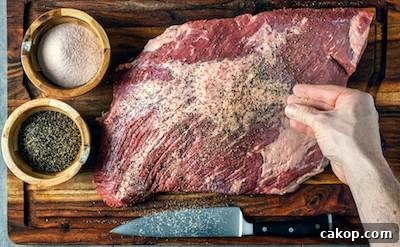
This straightforward rub blends paprika, salt, sugar, garlic, onion, chili, cumin, black pepper, dry mustard, and cayenne. Adjust proportions to taste and salt separately if you plan to brine.
10 minutes
10 minutes
Ingredients
- – ½ Cup Paprika
- – ½ Cup Salt
- – ½ Cup Sugar
- – ½ Cup Granulated Garlic
- – ¼ Cup Granulated Onion
- – ¼ Cup Chili
- – ¼ Cup Cumin
- – 2 Tablespoons Black Pepper
- – 2 Tablespoons Dry Mustard
- – 1 Tablespoon Cayenne Pepper
Instructions
- Combine all the spices together in a large mixing bowl.
- Store the rub in airtight shakers or jars.
My Favorite Brisket Tools
Below are tools commonly recommended for smoking brisket. These suggestions reflect typical choices for home smokers and are included to help you plan your setup. Choose products that fit your budget and cooking style.
Meat Injector: Useful for adding moisture and flavor deep inside lean cuts. Injectors make a noticeable difference when cooking lean brisket.
Brisket Marinade / Injection: Competition-style injections and bone broth can help keep grass-fed brisket juicy during long cooks.
Butcher Paper: Unwaxed, food-grade butcher paper is commonly used to wrap brisket during the stall to preserve bark and moisture.
Brisket Rub: A homemade rub gives you full control over flavors and salt levels; keep salt separate if you brine.
Meat Thermometer: A quality dual-probe thermometer lets you monitor smoker ambient temperature and meat internal temp simultaneously—critical for consistent results.
Instant-Read Thermometer: Fast, accurate checks of internal temperature during the finish help you judge doneness and tenderness.
Advanced Thermometer / Controller: For frequent smokers, a multi-channel Bluetooth/Wi-Fi thermometer with automatic fan control can simplify long cooks and stabilize temperatures.