Baking is a conversation between chemistry and craft. A recipe gives you the words; your technique supplies the punctuation. This guide removes guesswork and establishes core habits that elevate an everyday baker to a confident bench master.
Baking 101 is a living resource I’ll keep refining. If you have a practical tip the community should know, email me at [email protected]. Your insight may become part of our digital handbook.
Last Updated:
The Golden Rules of Preparation
Most baking problems start before the oven is switched on. Master these habits and you’ll solve the majority of common issues.
- Use a scale, not cups: Volume measures vary—flour can differ by 30g per cup depending on packing. Weighing ingredients gives consistent results.
- Mind the emulsion (room temperature): Unless a recipe calls for cold fat (as in some pastry), butter, eggs, and milk work best at room temperature to form smooth emulsions that trap air. Cold eggs can break a creamed butter mixture.
- Know your oven: Every oven has hot spots. Use an oven thermometer to confirm that 180°C on the dial is truly 180°C.
- Read twice, bake once: Read the whole recipe before you start. The sequence of steps matters as much as the ingredients.
Lining Your Baking Tins
How you line a tin affects release and rise. A poorly lined tin can tear edges or cause uneven baking.
- I recommend the “Fringe Method” for round tins and the “Cross Method” for square tins so the paper sits flush without pleating and the bake removes cleanly.
For detailed instructions, see the Tin Conversion Guide on my site.
Quick Troubleshooting
- Cake peaked and cracked: Oven too hot or too much leavening.
- Cookies spread too thin: Butter too soft or dough needed chilling before baking.
- Cake sank in the middle: Oven door opened too early, cooling the cake before structure set.
The Essential Pantry Staples
You don’t need a huge pantry—just reliable basics that work together. These are staples I keep on hand:
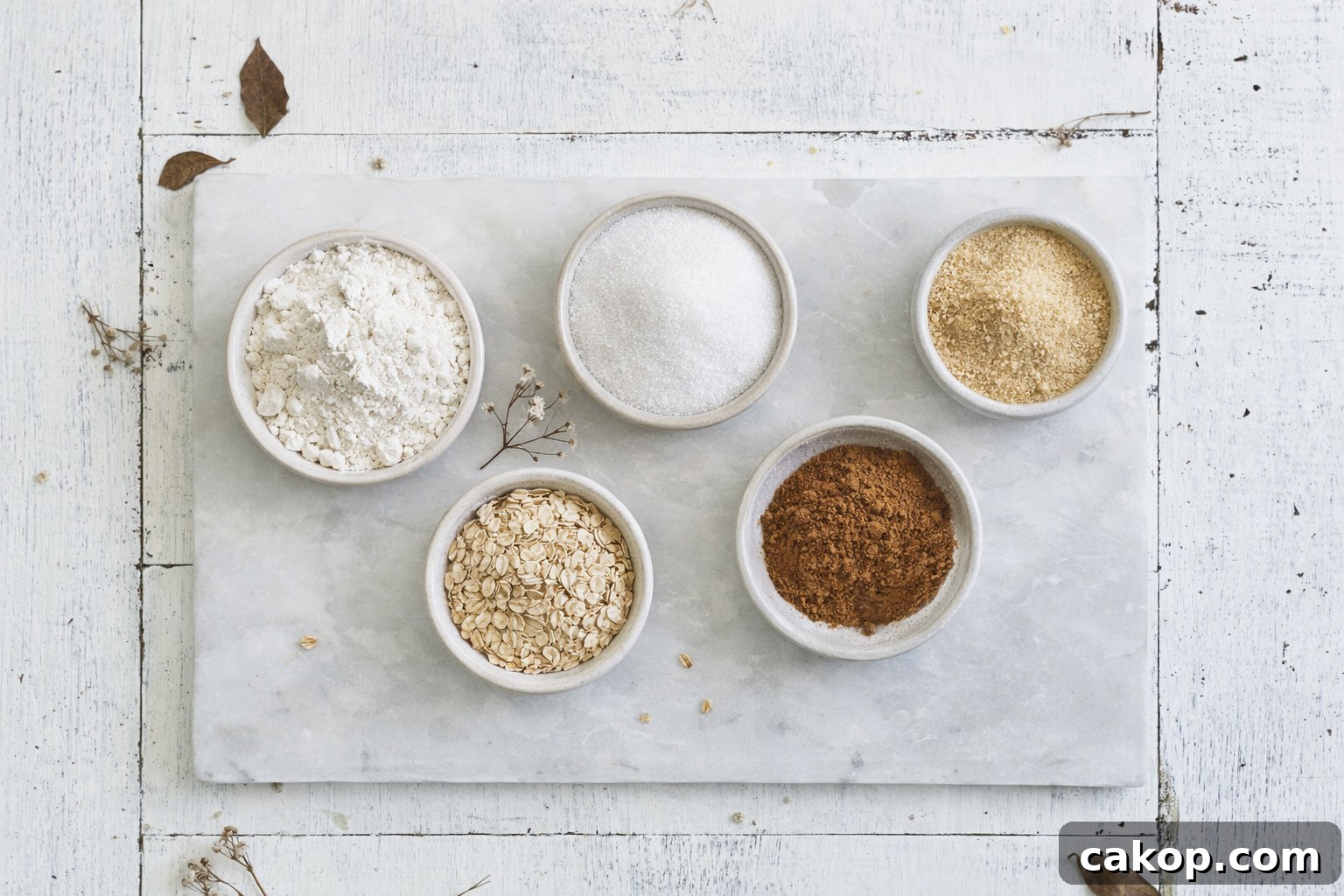
- Flours: Plain (all-purpose) for most bakes, high-grade for bread, and self-raising for convenience.
- Sugars: Caster for light cakes, dark muscovado for fudgy depth, and icing sugar for finishing touches.
- Fats: Unsalted butter for control over salt, a neutral oil (grapeseed) for moist muffins, and full-fat Greek yogurt for tangy sponges.
- Leavening: Fresh baking powder and baking soda—replace about every six months for best lift.
- Flavour boosters: Sea salt flakes, vanilla paste, and whole nutmeg for grating.
- Chocolate: Bars with 50–70% cocoa for melting and rich flavour.
Top 5 Kitchen Essentials
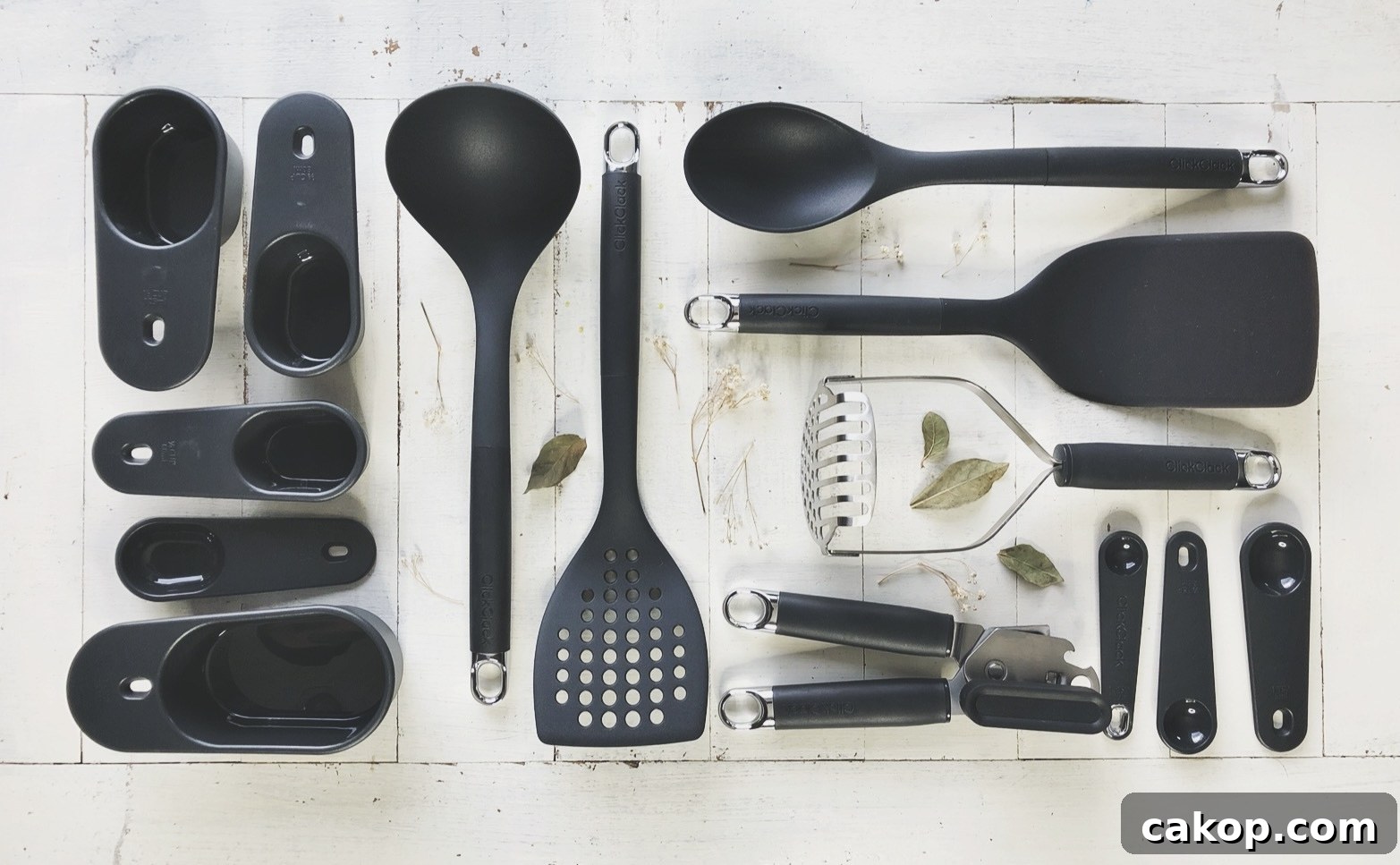
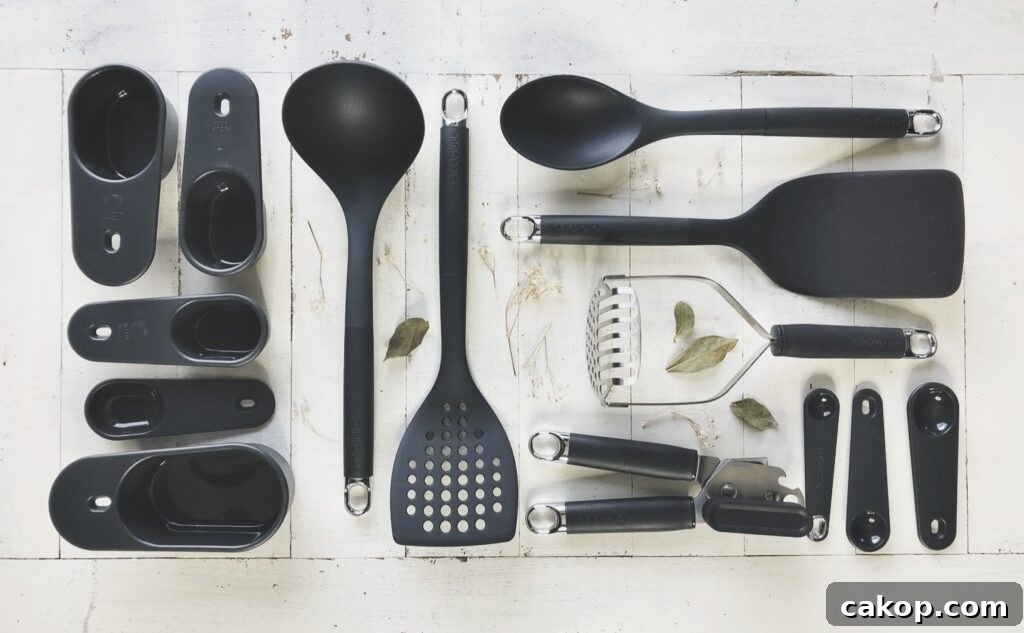
You don’t need many gadgets—these five tools will cover most tasks:
- Digital scales: Eliminate cup-measure guesswork and ensure repeatable results.
- Sturdy whisk: A solid whisk saves effort and gives better aeration when beating eggs or cream.
- Silicone spatula: Essential for scraping bowls and smoothing frostings.
- Heavy-duty baking tins: Light-coloured, sturdy tins prevent warping and uneven browning.
- Fine-mesh sieve: Sifting dry ingredients avoids clumps and yields lighter cakes.
More Guides, Tips and Tricks
Baking Conversions
A reliable conversion library helps translate recipes and scale bakes to different measurements and tin sizes.
Tin Conversion Guide
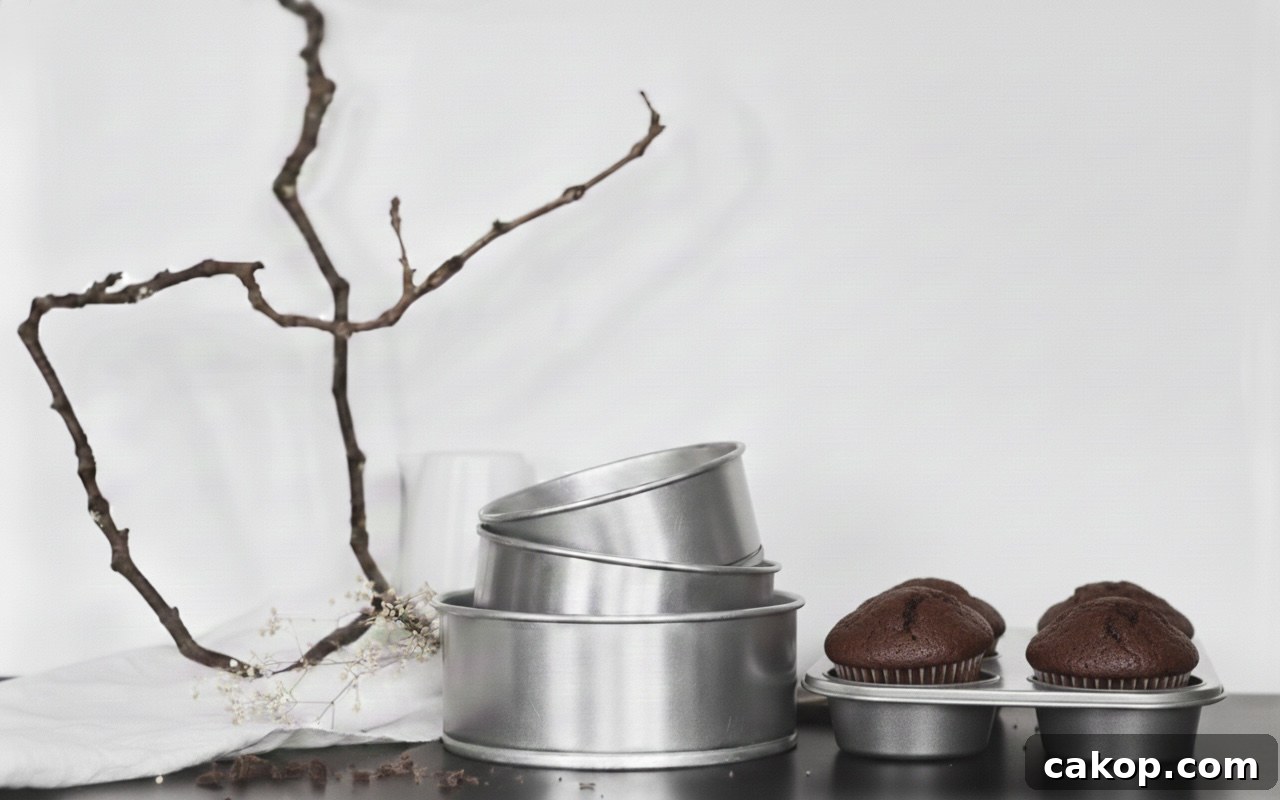
Learn how to scale any recipe to fit the tins you own using simple, reliable calculations so you’re never limited by pan size.
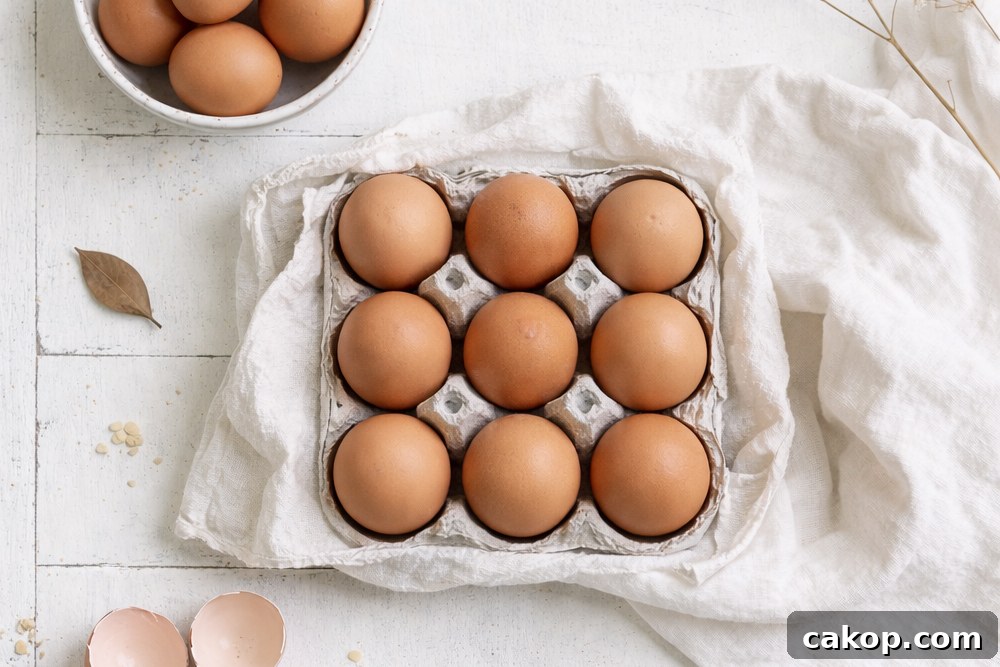
Egg Size Guide
Egg weights vary. Knowing how different grades affect batter and emulsions helps you maintain texture and structure in every bake.
Baking Substitutes
When the pantry is missing something, these swaps can save the day. Substitutes are practical but the original ingredient usually gives the best result.
Note: Substitutes are a practical response to necessity, not always a like-for-like replacement. Use them with understanding of the intended texture.
| Missing Ingredient | The Substitute | A Side Note |
| Cake Flour | 1 cup plain flour minus 2 tbsp + 2 tbsp cornflour. | Sieve several times to fully integrate the cornflour. |
| Self-Rising Flour | 1 cup plain flour + 1.5 tsp baking powder + 1/4 tsp salt. | Whisk thoroughly to distribute the leavening. |
| Buttermilk | 1 cup whole milk + 1 tbsp lemon juice or white vinegar. | Let sit 10 minutes to thicken slightly before using. |
| Brown Sugar | 1 cup white sugar + 1 tbsp molasses or treacle. | Rub together with fingers until colour is uniform. |
| Sour Cream | Equal parts Greek yogurt or crème fraîche. | Use full-fat to preserve moisture and texture. |
| Egg (binding) | 1/2 mashed banana or 1/4 cup applesauce. | Works best in dense bakes like muffins; avoid in delicate sponges. |
| Dutch-Process Cocoa | Natural cocoa + 1/8 tsp baking soda per 3 tbsp. | This neutralises acidity to mimic Dutch cocoa. |
| Heavy Cream | 3/4 cup milk + 1/4 cup melted unsalted butter. | Good for richness in baking but will not whip. |
Storage & Shelf Life
This section gathers practical, time-tested advice from experienced bakers to keep your pantry and ingredients at their best.
The Airtight Rule
Paper bags are for transport, not storage. Transfer opened flours and grains to airtight containers to keep them fresh and prevent pantry pests.
- Flours & grains: Store in glass jars or sealed containers to protect flavour and keep out insects.
- Sugars: Prevent hardening by using a “sugar saver” stone or a slice of fresh bread overnight to return moisture.
The Cold Storage Secret
Many pros use freezers and fridges to extend shelf life and preserve flavour.
- Nuts & wholemeal flours: Store in the freezer to prevent oils turning rancid and to keep flavours fresh.
- Active yeast: Keep in the fridge or freezer. Always proof a small amount in warm water—if it doesn’t foam, replace it.
The “Potency” Check
Simple tests tell you if an ingredient is still effective.
- Raising agents: Drop baking powder into hot water—if it bubbles, it’s active. Test baking soda with vinegar for fizz.
- Spices: Ground spices fade after about six months; buy whole spices when possible and grate fresh for maximum aroma.
Have a storage tip or hack? Share it with the bench at [email protected].
A Baker’s Glossary
Certain kitchen terms carry technical meaning. Knowing them moves you from following recipes to understanding them.
The Techniques
- Creaming: Beat room-temperature butter and sugar until pale and fluffy to aerate the batter base.
- Folding: Gently incorporate light ingredients into heavier batter using a spatula to preserve air.
- Blooming:
- For yeast: Dissolve in warm liquid to confirm activity.
- For cocoa: Mix with hot liquid to release fuller chocolate flavour.
- Rubbing in: Work cold butter into flour with fingertips until the mix resembles fine breadcrumbs for flaky pastry.
- Blind baking: Bake a pastry shell before adding wet fillings, weighting it down with baking beans or rice to keep it flat and crisp.
The Textures
- Soft peaks: Whisked cream or egg whites form peaks that curl over gently at the tip.
- Stiff peaks: Peaks stand upright without collapsing—key for meringues and stable pavlovas.
- Ribbon stage: Beaten eggs and sugar form a thick, pale mixture that falls in a slow ribbon and briefly holds shape on the surface.
Learn the language of baking and you can approach recipes from anywhere with confidence.
The Science
- Emulsion: Blending liquids like fat and water by slowly adding room-temperature eggs to creamed butter to create a stable mixture.
- Mise en place: “Everything in its place.” Weigh and prepare ingredients and tools before starting—this keeps the process calm and efficient.
If you think I’ve missed something or can improve this guide, I’d love to learn from your experience. Email me at [email protected].