
I still remember the first time I baked this Savory Herb Butter Dutch Baby for friends on a quiet Sunday morning: the kitchen filled with warm, nutty butter, and everyone leaning in as the edges puffed in the oven. I make this dish whenever I want something that looks special but requires minimal fuss. The contrast between bronzed, craggy edges, a pillowy custard center, and bright lemony arugula always impresses. If you enjoy fresh herbs and buttery flavors, this recipe will quickly become a favorite.
How This Recipe Became My Rainy-Day Favorite
I discovered this Savory Herb Butter Dutch Baby on a rainy afternoon when I wanted comfort without heaviness. The windows fogged as butter sizzled in a hot cast iron skillet and the smell felt like an invitation. I blended the batter until smooth, then watched the skillet erupt with steam when the batter hit the molten butter. My partner and I ate with torn burrata and prosciutto, and the flavors felt indulgent yet light. Thyme and basil threaded through each bite, while lemon-dressed arugula cut the richness and made the whole dish sing. It turned an ordinary afternoon into a small celebration.
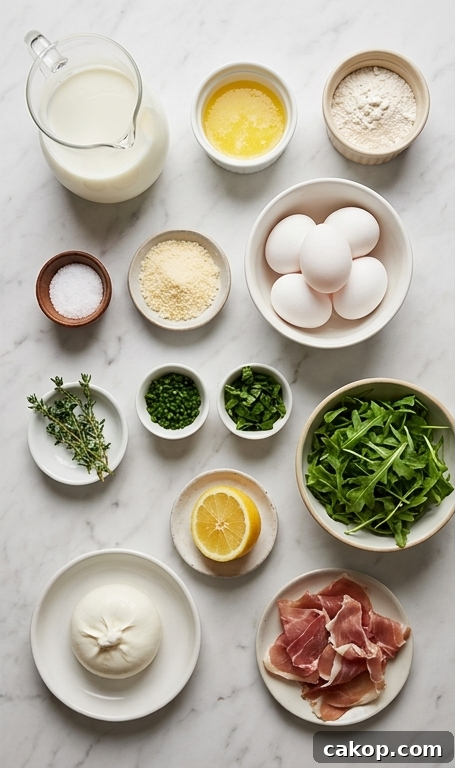
Primary Ingredients and How They Work
- Salted butter: The flavor backbone and crisping agent; use high-quality salted butter for a nutty, caramelized edge. If you prefer unsalted butter, add a pinch of kosher salt to taste.
- Eggs: Provide structure and lift; room-temperature eggs blend more evenly. Add an extra yolk for a richer custard.
- Whole milk: Keeps the batter tender and creamy; switch to 2% for a slightly lighter result.
- All-purpose flour: The framework for the batter; for gluten-free, use a 1-to-1 gluten-free flour blend.
- Parmesan and fresh herbs: Parmesan delivers savory salt and a toasty crust while thyme, chives, and basil add bright herbal notes. Pecorino can replace Parmesan for a sharper bite.
Essential Kitchen Tools and Why They Matter
A few simple tools make this recipe reliable and easy. A very hot skillet produces the dramatic puff and crisp rim; if you don’t have a 10-inch cast iron, a heavy ovenproof nonstick or stainless pan will work but the browning may differ. A blender creates a silky, lump-free batter; whisking by hand can work but requires more time and effort. A microplane keeps the cheese light and evenly distributed. Finally, tongs or a spatula help dress and serve the Dutch baby without deflating it.
- 10-inch cast iron skillet: For even heat and dramatic puffing; alternatives: heavy ovenproof nonstick or stainless skillet.
- Blender: For a smooth, aerated batter; alternative: vigorous whisking and straining through a fine sieve.
- Microplane or fine grater: For fluffy, meltable Parmesan; alternative: very finely grated hard cheese.
- Citrus juicer or fork: For juicing the lemon; alternative: handheld squeeze or bottled lemon juice in a pinch.
Step-by-Step Preparation Guide
Step 1: Heat the skillet and prepare the butter
Preheat the oven to 450°F and place a 10-inch cast iron skillet on the center rack with 2 tablespoons of butter inside so it melts and becomes very hot. This creates a sizzling, nutty butter base that crisps the Dutch baby’s edges; do this just before pouring the batter so the pan and butter are blazing and fragrant.
Step 2: Blend the batter until utterly smooth
In a blender combine the eggs, room-temperature whole milk, all-purpose flour, a pinch of kosher salt, and the other 2 tablespoons of melted butter. Blend on high for 30–60 seconds until the mixture is an even, pale custard — silky, slightly aerated, and free of lumps. A few tiny bubbles on the surface and a batter that ribbons slowly when lifted indicate it’s ready to puff.
Step 3: Mix the cheese and herbs
Stir grated Parmesan with fresh thyme leaves, chopped chives, and chopped basil in a small bowl. This aromatic, salty-herb mixture will melt into the custardy surface as it bakes, creating savory pockets of flavor.
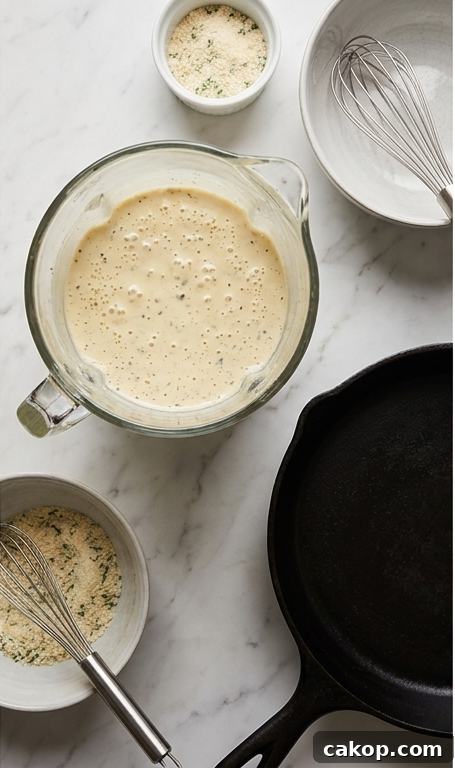
Step 4: Pour, top, and bake until dramatically puffed
Remove the blistering-hot skillet from the oven and pour the blended batter in one confident pour so it sizzles into the butter. Quickly scatter the Parmesan-herb mixture evenly over the top and return the skillet to the oven. Bake, without opening the door, for 20–25 minutes until the edges are deeply golden and dramatically puffed while the center remains tender and custardy. Avoid checking during the first 15 minutes to preserve the rise.
Step 5: Brighten the greens while the pancake bakes
While the Dutch baby puffs, toss baby arugula with the juice of half a lemon and a pinch of kosher salt. This simple dressing softens the peppery arugula just enough to contrast the rich pancake and adds a clean, acidic lift at the end.
Step 6: Finish and serve with creamy burrata and prosciutto
When the Dutch baby comes out of the oven, place a small pat of butter in the center to melt into the custard. Top with torn pieces of room-temperature burrata, scatter torn prosciutto, and nestle in handfuls of the lemon-dressed arugula. Finish with extra chopped basil, a few sprigs of dill if desired, and a generous crack of black pepper before serving.

Making It Your Own
This recipe adapts well to the seasons. In spring I add blanched asparagus tips and swap basil for tarragon for a subtle anise lift. In winter I stir in caramelized onions and replace arugula with peppery baby spinach.
For a vegetarian version, omit the prosciutto and add roasted mushrooms or sun-dried tomatoes for depth. For gluten-free, use a certified gluten-free all-purpose blend and let the batter rest a few minutes before blending to hydrate the flours.
For extra richness, add one extra egg yolk or a splash of cream in place of part of the milk. Small changes like these shift texture and flavor in delightful ways.
How to Serve
Presentation matters as much as taste. For a casual brunch, bring the Dutch baby straight from the skillet to a heat-safe board with bowls of torn burrata and prosciutto so guests can customize each piece. For a more formal plate, slice the Dutch baby into quarters and arrange each piece with a small nest of lemon-dressed arugula and a scoop of burrata.
To serve a crowd, double the ingredients and use two skillets or a larger ovenproof dish; bake times may vary, so watch for golden edges and a set center. For two people, halve the recipe and use a smaller skillet to preserve the dramatic rise.
Storage and Reheating Tips
Leftovers keep best refrigerated in an airtight container for up to 2 days. The crisp edges will soften, but the custardy center remains pleasant.
To reheat, warm in a 375°F oven for 8–10 minutes until heated through and edges regain some crisp. A quick broil of 30–60 seconds can refresh crispness — watch closely to avoid burning.
To freeze, wrap slices tightly and freeze up to 1 month; thaw overnight in the fridge and reheat in the oven to restore texture.
Common Mistakes and How to Avoid Them
Pouring batter into a pan that isn’t hot enough is a frequent mistake — without a blazing skillet you lose the lift and craggy edge. Always preheat the oven and pan together.
Another error is opening the oven during the first 15 minutes. Checking too soon can cause the Dutch baby to collapse. Trust the bake time and wait until the edges are visibly puffed and golden.
Try This Recipe
Give the Savory Herb Butter Dutch Baby a try this weekend. It rewards simple technique with big, buttery flavor and a beautiful presentation that feels special with very little effort.
Frequently Asked Questions
- Can I make the batter ahead? — Yes. Refrigerate the batter up to 24 hours, but bring it to room temperature before baking for the best rise.
- Can I use unsalted butter? — Yes. If you use unsalted, add an extra pinch of kosher salt to the batter and taste the arugula dressing.
- How do I get a bigger puff? — Ensure the skillet and oven are fully preheated, use room-temperature eggs, and avoid opening the oven during the initial bake.
- Is there a dairy-free option? — Use dairy-free butter and a nut or oat milk, though texture and browning will differ from the original.
- Can I add vegetables to the batter? — To avoid weighing down the rise, I recommend adding quick-roasted or sautéed vegetables on top after baking. Small cooked bits like mushrooms can be folded in sparingly.