Heating systems play a vital role in keeping homes comfortable during cold months. Growing up around a wood-burning stove taught me how important a dependable heating solution is. With many types of systems available, each offering advantages and trade-offs, understanding the options helps you choose the best fit for your home.
When evaluating heating systems, balance the up-front costs with long-term energy savings. Consider fuel source, space layout, insulation, and climate—these factors all influence which system will perform most efficiently and cost-effectively for your situation.
Forced Air Systems
Forced-air systems are among the most common in the United States. A furnace heats air that is then distributed through ducts and vents to warm the home. These systems heat spaces quickly and are often integrated with central air conditioning, making them a convenient all-in-one solution.
Maintenance is straightforward: regular filter changes improve air quality and efficiency, and properly insulated ductwork reduces heat loss. When planning installation or replacement of a furnace, consult qualified professionals to ensure you select an efficient, properly sized unit that matches your home’s needs and reduces long-term energy costs.

Radiant Heating Systems
Radiant heating delivers warmth through floors, walls, or ceilings by circulating hot water in tubing or using electric heating mats. It provides even, comfortable heat and is especially useful in rooms with high ceilings or where quiet operation is desired.
These systems can take longer to raise room temperature than forced-air systems, but they maintain steady, uniform warmth once up to temperature. Proper insulation can improve performance and reduce heat loss. Radiant systems are an attractive option for homeowners prioritizing comfort and silent operation.
Geothermal Heat Pumps
Geothermal heat pumps use the earth’s relatively stable underground temperature to heat and cool a home. They transfer heat via buried loop systems and can deliver excellent energy efficiency and low operating costs over time.
Although geothermal systems often require a larger initial investment and site-specific installation expertise, their long-term savings and environmental benefits make them a compelling choice for many homeowners. Evaluate your property’s terrain and installation requirements before deciding on this option.
Baseboard Heaters
Electric baseboard heaters are common in older homes and are simple, low-maintenance heating solutions. They warm a room by allowing heated air to rise from units mounted near the floor and can be effective for supplemental or zoned heating.
While not always the most energy-efficient primary heating method, baseboard heaters are easy to install and work well in milder climates or smaller spaces. Adding programmable or modulating thermostats can help control energy use while keeping rooms comfortable.
Steam Radiators
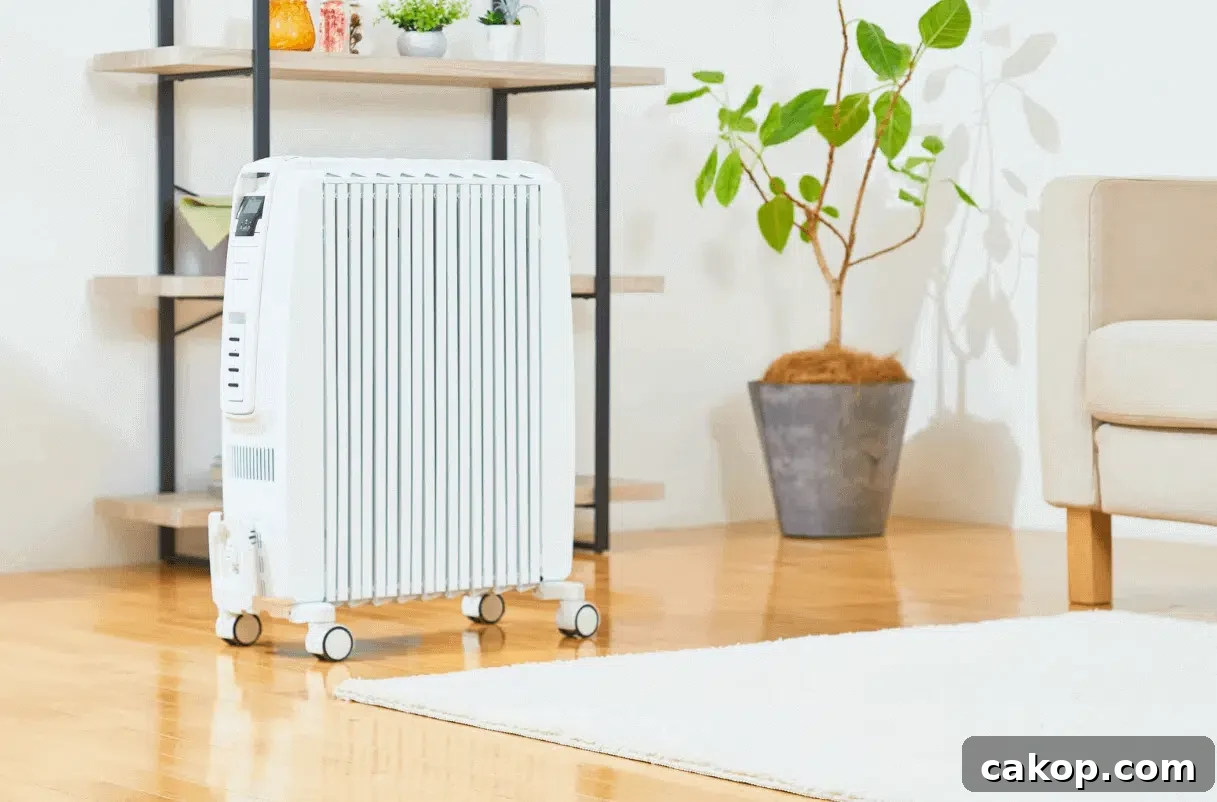
Steam radiators, often found in older buildings, use a boiler to generate steam that radiates heat from cast-iron or steel units. They provide long-lasting warmth and add a vintage aesthetic that many homeowners find appealing.
These systems can require more maintenance—such as checking for leaks and occasional bleeding—to keep them operating properly. With attentive upkeep, steam radiator systems can remain reliable and efficient, blending classic style with functional heating.
Final Words on Home Heating Systems
Choosing the right heating system depends on your home, budget, and comfort preferences. Whether you prefer the rapid warmth of forced air, the gentle consistency of radiant floors, the efficiency of geothermal systems, or the simplicity of baseboard or steam systems, informed decisions lead to better comfort and energy use.
Assess your space, insulation, fuel options, and long-term costs before committing. Consulting qualified HVAC professionals and comparing system efficiencies and installation requirements will help you select a heating solution that keeps your home cozy and economical through the colder months.