How to Cook Jerusalem Artichokes
If you’ve discovered Sunchokes (also called Jerusalem artichokes or sunroots) at a farmers market, in a CSA box, or on a restaurant menu, you might be wondering how to cook and enjoy them at home. These knobby tubers can be used in savory or sweet dishes and are simple to prepare once you know what to look for and how to handle them.
Sunchokes can seem unfamiliar at first, but they are versatile and rewarding to cook with. Below is a practical guide to choosing, storing, preparing, and cooking them so you can make the most of this seasonal tuber.
What are Sunchokes?
Sunchokes—also called Jerusalem artichokes, sunflower chokes, or sunroots—are members of the sunflower family. Their flavor is often described as reminiscent of artichoke hearts, and their starchy texture is similar to a potato. The name “Jerusalem” likely stems from a corruption of the Italian word “girasole,” meaning sunflower.
Although Native Americans cultivated sunchokes for centuries, they have recently re-emerged in restaurants and home kitchens. It’s the tuber—the underground root—that is eaten.
What Do Sunchokes Look Like?
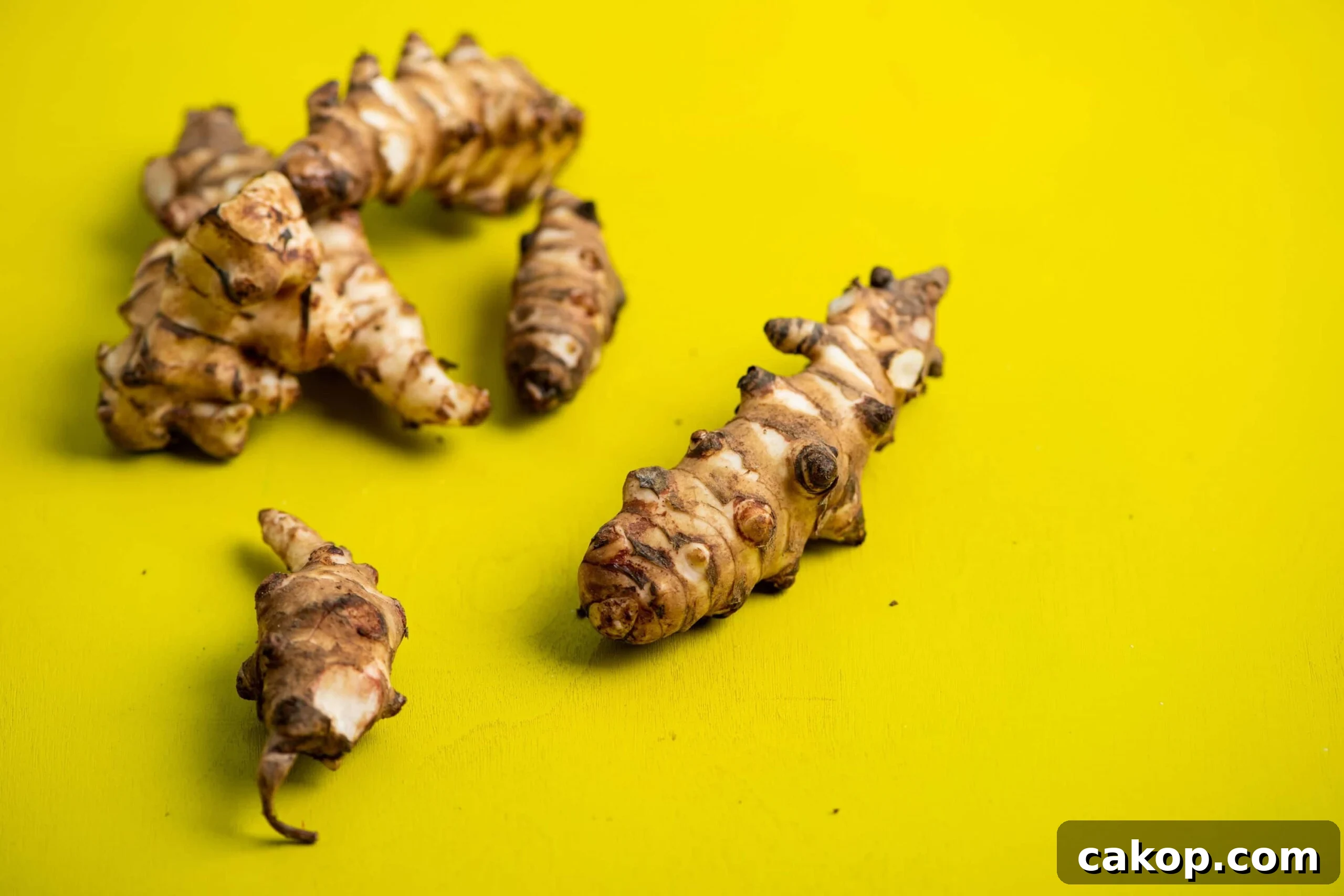
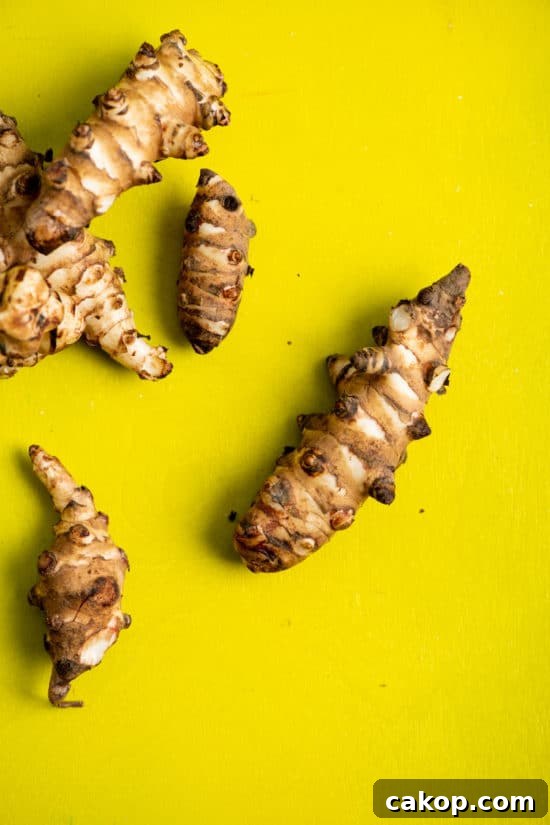
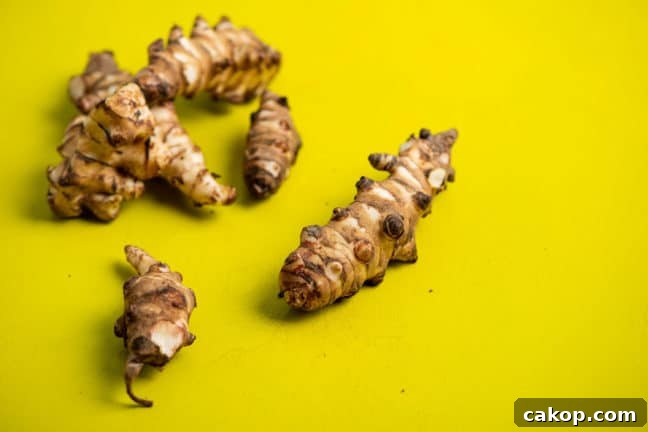
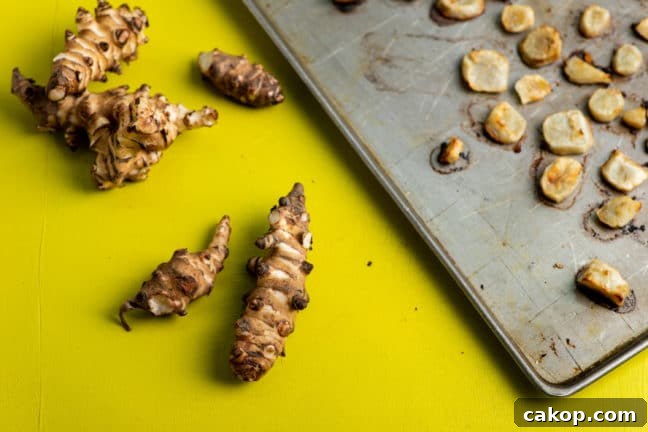
Sunchokes are typically 2 to 4 inches long and resemble fresh ginger in shape, though usually with fewer knobs. Their skins range from pale cream or light brown to reddish-purple, depending on the variety.
How Do I Know Which Sunchokes to Buy?
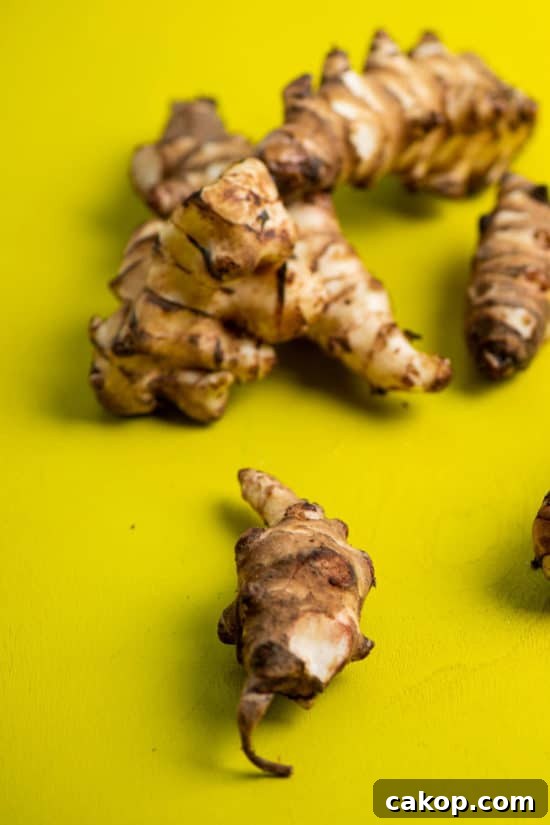
Choose sunchokes with taut, smooth skin and a very firm texture. Avoid any that are soft, shriveled, sprouting, or show signs of mold or decay. Fresh, firm tubers will roast, sauté, or mash best.
Where Can I Find Sunchokes?
Sunchokes appear at farmers markets, some supermarkets, and specialty produce stores. They are often displayed near potatoes, other root vegetables, or ginger.
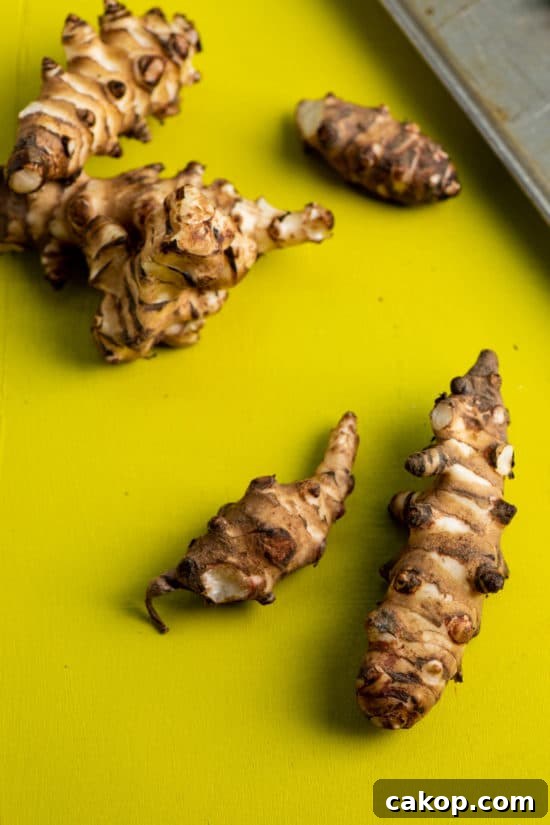
What Do Sunchokes Taste Like?
Jerusalem artichokes have a creamy, slightly starchy texture similar to potatoes, with a delicate sweetness and a subtle nutty flavor that recalls artichoke hearts. When cooked, their natural sweetness deepens and they develop pleasant caramelized notes.
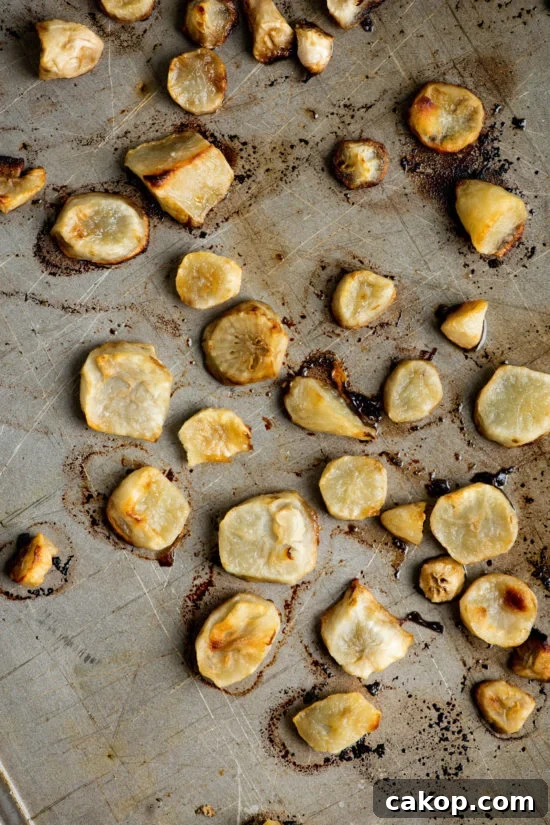
How Do I Prepare Sunchokes?
Sunchokes can be eaten raw, thinly sliced into salads for a crisp texture, or cooked in many of the same ways as potatoes. Popular methods include roasting, frying, sautéing, mashing, or pureeing into soups. Note that some people experience mild gastric upset when eating raw sunchokes, so start with small amounts if you’re unsure.
How Do I Store Sunchokes?
Store sunchokes in a cool, dry place or in the refrigerator crisper. Kept properly, they will stay fresh for about two weeks. Avoid storing them in airtight plastic where moisture can encourage spoilage.
When Are Sunchokes in Season?
Sunchokes are harvested from fall through spring, with winter being the peak season. Their flavor often improves with light frosts, which can increase sweetness.
What Are the Health Benefits of Sunchokes?
Sunchokes are a good source of potassium, iron, and other minerals. They contain inulin, a type of fiber that can support gut health and may help with cholesterol and blood sugar management for some people. As with any food, individual responses vary.
Try Sunchokes/Jerusalem Artichokes in These Recipes
- Roasted Jerusalem Artichokes
- Roasted Cauliflower and Sunchoke Soup